
Ongoing Volcanic Activity in Italy: Etna and Stromboli Eruptions
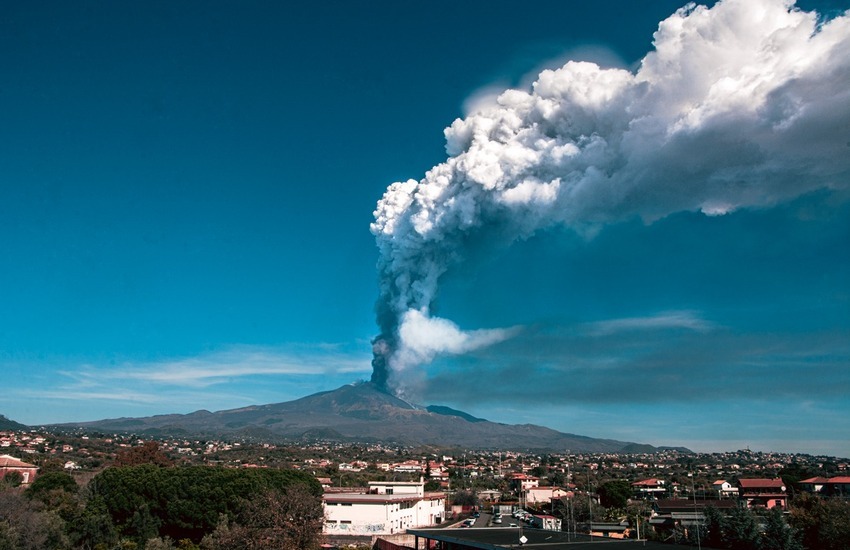
As of January 3, 2026, Italy is experiencing significant volcanic activity from two of its most notable volcanoes: Mount Etna and Stromboli. Both volcanoes are classified as active and are currently exhibiting medium severity eruptions, raising concerns among local populations and authorities alike.
Mount Etna, located on the east coast of Sicily, has shown ongoing activity with lava flows reported to be advancing down its slopes. According to reports, the most advanced front of lava is descending to an altitude of 1,360 meters. This development occurs in the context of Etna's long history of eruptions, which have made it one of the most studied and monitored volcanoes in the world. Local authorities are closely observing the situation to ensure the safety of residents and tourists in the surrounding areas.
Simultaneously, the Stromboli volcano, situated on the small island of the same name in the Tyrrhenian Sea, is also displaying increased activity. Known for its regular explosive eruptions, Stromboli's current activity level is being monitored by the Italian National Institute of Geophysics and Volcanology (INGV). Residents have been advised to remain vigilant and follow safety protocols as the situation develops.
The eruptions at both volcanoes began around the same time, raising questions about potential links between their activities. However, geologists have indicated that each volcano operates independently, driven by its own geological conditions.
Background on Volcanic Activity in Italy
Italy is home to several active volcanoes, including Vesuvius, Etna, and Stromboli. Mount Etna is the highest volcano in Europe and has a history of frequent eruptions that date back to ancient times. Stromboli, often referred to as the "Lighthouse of the Mediterranean," is famous for its persistent eruptive activity, which has been ongoing for over 2,000 years. Both volcanoes attract thousands of tourists annually, who come to witness their natural phenomena.
Authorities in Italy have established comprehensive monitoring systems to track volcanic activity. The INGV employs a range of scientific techniques, including seismic monitoring, satellite imagery, and gas measurements, to predict eruptions and inform the public of potential dangers.
Conclusion
As Etna and Stromboli continue their volcanic activity, local authorities are taking precautions to ensure public safety. Residents and visitors are advised to stay informed about the situation and adhere to any directives issued by emergency services. The ongoing eruptions serve as a reminder of Italy's dynamic geological landscape and the importance of preparedness in the face of natural events.