
Ongoing Violence in Eastern Democratic Republic of the Congo Claims Over 1,500 Lives
Severe violence continues to plague the eastern regions of the Democratic Republic of the Congo (DRC), with reports indicating that more than 1,500 civilians have been killed since the escalation of conflict began on January 1, 2026. The ongoing hostilities, characterized by fierce fighting between armed groups, have targeted civilian populations, exacerbating an already dire humanitarian crisis.
The latest surge in violence has drawn international attention, with various reports highlighting the tragic impact on communities in eastern DRC. According to local sources, the fighting has led to widespread displacement, with thousands of people fleeing their homes in search of safety. Humanitarian organizations are struggling to provide essential aid in an environment overwhelmed by insecurity.
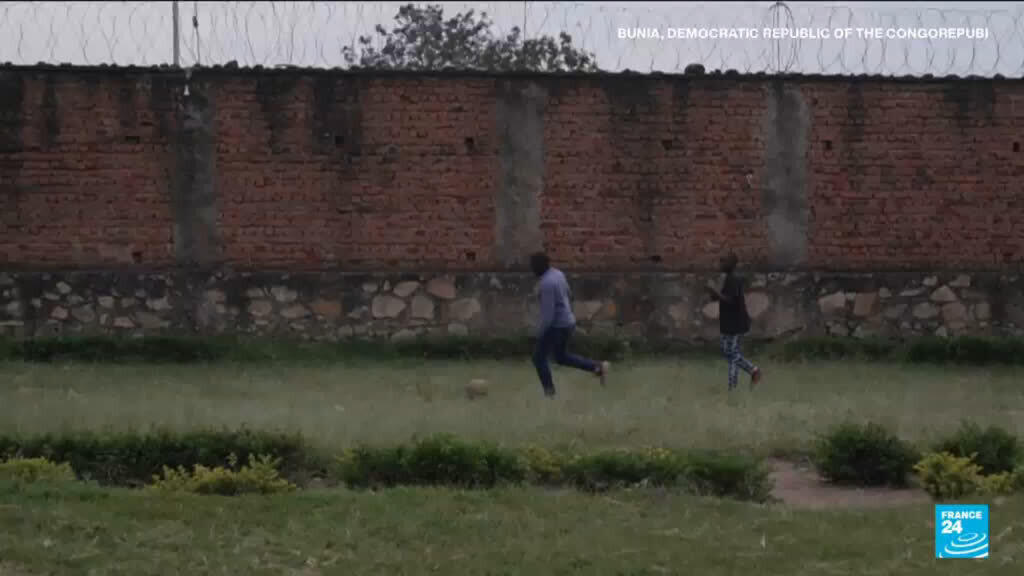
Amidst the turmoil, testimonies from former child soldiers provide a harrowing glimpse into the brutal realities faced by those caught in the conflict. Many of these young individuals have been forcibly recruited by armed groups and subjected to horrific experiences. As reported by France24, these former child soldiers have begun the process of rehabilitation, but their experiences underscore the deep scars left by the violence. Matthew-Mary Caruchet, a reporter for France24, shared insights from these individuals, highlighting the psychological and physical toll of their experiences.
Background on Eastern DRC Violence
The eastern DRC has long been a hotspot of conflict, with numerous armed groups vying for control over territory and resources. This region has been embroiled in violence for decades, stemming from historical grievances, ethnic tensions, and competition for valuable minerals. The presence of various militias complicates the security landscape, making it challenging for government forces to maintain order.
The recent escalation in violence follows a trend of deteriorating security conditions in the region. While the DRC has made some progress in establishing peace in other parts of the country, eastern provinces have remained volatile. The United Nations has repeatedly condemned the violence and called for increased efforts to protect civilians, but the situation continues to devolve.
Conclusion
As the situation unfolds, the international community is urged to respond with urgency to the humanitarian crisis developing in eastern DRC. The loss of life and the suffering of civilians demand immediate attention and action. Without a concerted effort to address the underlying causes of the conflict and to protect vulnerable populations, the cycle of violence is likely to continue, further jeopardizing the stability of the region.






