
Ongoing Violence Claims Lives in Eastern Democratic Republic of Congo
As of January 1, 2026, the Democratic Republic of the Congo (DRC) is witnessing an alarming escalation of violence in its eastern regions, with more than 1,500 civilian fatalities reported in recent months. This surge in conflict has drawn international attention to the humanitarian crisis unfolding in the region, exacerbated by the ongoing struggle against armed groups and the pervasive instability that has plagued the country for decades.
The fierce fighting has largely centered around civilian populations, leaving communities devastated and in dire need of assistance. Reports indicate that the violence has intensified since late 2025, with armed groups engaging in brutal attacks against innocent civilians. The situation is particularly dire for vulnerable groups, including women and children, many of whom have been displaced from their homes and are facing severe humanitarian challenges.
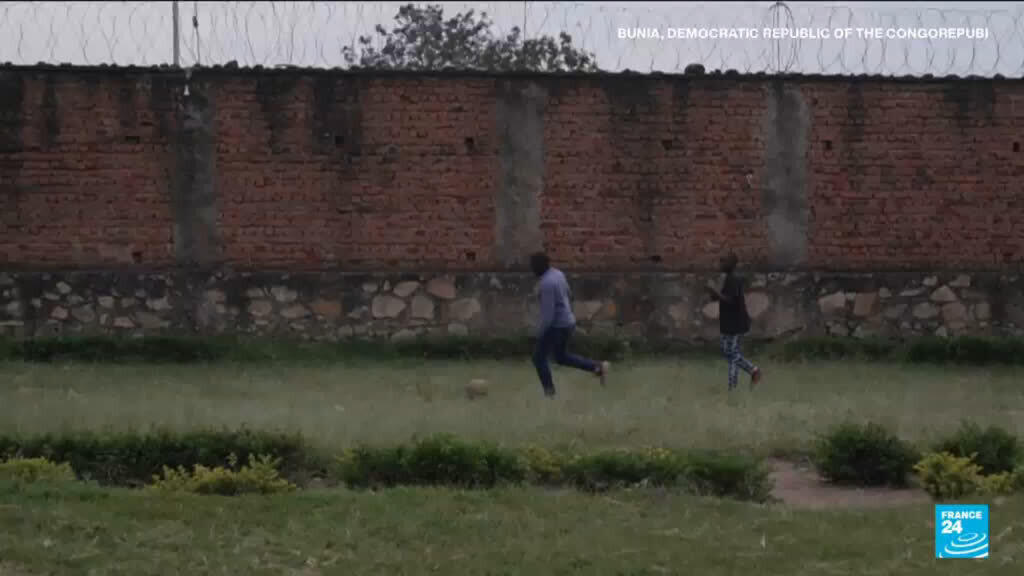
In a recent report by France 24, the plight of former child soldiers was highlighted, showcasing the harrowing experiences of those who have been liberated from the grip of armed groups. These individuals have not only witnessed but have also been forced to participate in violent acts, contributing to the cycle of violence that has engulfed the region. Testimonies from these former child soldiers reveal the deep psychological scars left by their experiences, underscoring the urgent need for rehabilitation and support services.
The eastern DRC has long been a hotbed of conflict, with multiple armed groups operating in the region, often fueled by ethnic tensions, competition over resources, and the impacts of regional geopolitics. The ongoing violence is a stark reminder of the complex challenges facing the DRC, where peace remains elusive despite numerous peace agreements and international interventions.
Background
The DRC has been embroiled in conflict for decades, with the eastern regions particularly affected by violence since the end of the Second Congo War in 2003. The presence of various militias, including the Allied Democratic Forces (ADF) and the Democratic Forces for the Liberation of Congo (FDLC), has led to a precarious security situation. The humanitarian impact of this prolonged conflict has been devastating, with millions displaced and in need of urgent assistance.
International organizations and local NGOs continue to work tirelessly to provide humanitarian aid and support to those affected by the violence. However, ongoing instability and security challenges hinder their efforts, leaving many in precarious situations without access to basic necessities.
Conclusion
The current state of violence in eastern DRC poses significant challenges not only for the affected communities but also for regional stability and international peace efforts. With over 1,500 civilian lives lost and countless others affected, the international community is urged to respond with renewed vigor to address the humanitarian crisis and support initiatives aimed at restoring peace in the region. The path forward remains fraught with challenges, but the resilience of the Congolese people and the commitment of aid organizations offer a glimmer of hope amid the turmoil.






