
Ongoing Eruptive Activity at Stromboli and Etna Volcanoes Raises Alert Levels
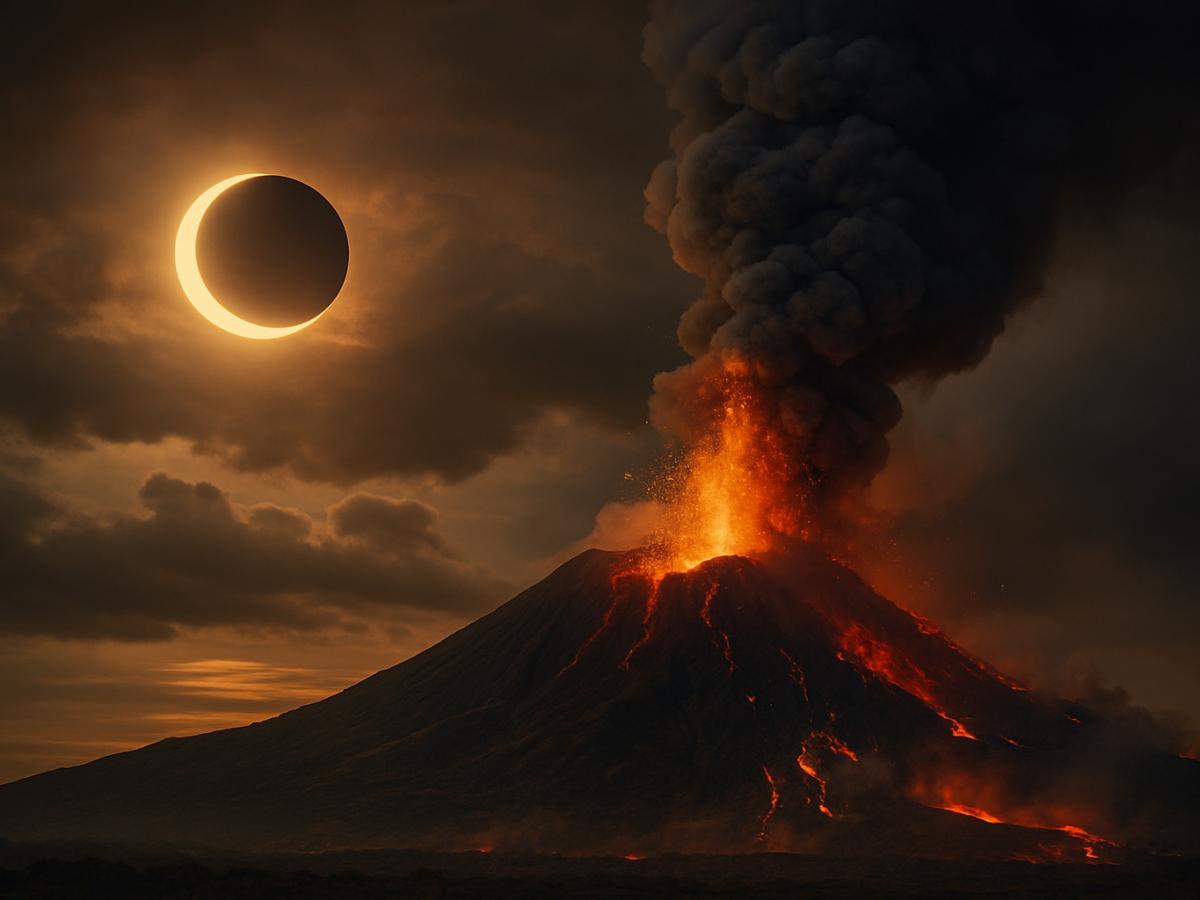
On January 3, 2026, both Stromboli and Etna volcanoes in Italy began displaying significant volcanic activity, prompting increased monitoring and alert levels for local residents and authorities. The eruptions, categorized as medium severity, have drawn attention due to the historical significance and the geological characteristics of these renowned volcanoes.
Current Activity
Stromboli, one of the most active volcanoes in the world, is known for its continuous eruptive activity, often referred to as "Strombolian eruptions" due to their characteristic explosive bursts. The latest activity commenced early on January 3, with reports indicating ongoing eruptions that have not yet reached critical levels but warrant close observation.
Similarly, Mount Etna, Europe's highest and most active volcano, has also shown signs of heightened activity on the same day. Officials have reported sporadic eruptions and lava flows, raising concerns about potential impacts on surrounding communities and air travel in the region.
Historical Context
Stromboli has a long history of volcanic activity, with records dating back over 2,000 years. The island has been shaped by its eruptions, which have both created and destroyed landscapes. According to geological studies, the island's eruptions are influenced by a complex interplay of tectonic movements and magma dynamics, often leading to spectacular displays of nature's power.
Mount Etna, located on the east coast of Sicily, has had a similarly tumultuous history, with eruptions occurring frequently over the centuries. Its last significant eruption occurred in December 2023, leading to temporary evacuations and disruptions in air travel. The volcano is closely monitored by the Italian National Institute of Geophysics and Volcanology (INGV), which provides real-time data and analysis of volcanic activity.
Safety Measures and Community Response
In response to the recent eruptions, local authorities have activated emergency protocols, including the dissemination of information to residents in affected areas. The INGV has advised caution, particularly for those living near the volcanoes. Residents are encouraged to stay informed about the situation and to follow any evacuation orders if necessary.
Tourism in the region, which is a major economic driver, may experience fluctuations as visitors weigh the risks of experiencing volcanic activity. While some tourists may be drawn to witness the eruptions, others may choose to stay away due to safety concerns.
Conclusion
As Stromboli and Etna continue to exhibit eruptions, experts emphasize the importance of monitoring and preparedness. The Italian authorities remain vigilant, ensuring that adequate safety measures are in place to protect both residents and visitors. The ongoing activity of these iconic volcanoes serves as a reminder of the dynamic and unpredictable nature of Earth's geological processes. Further updates from geological agencies are expected as the situation develops.