
Ongoing Eruptions at Semeru Volcano Raise Alarm in Indonesia
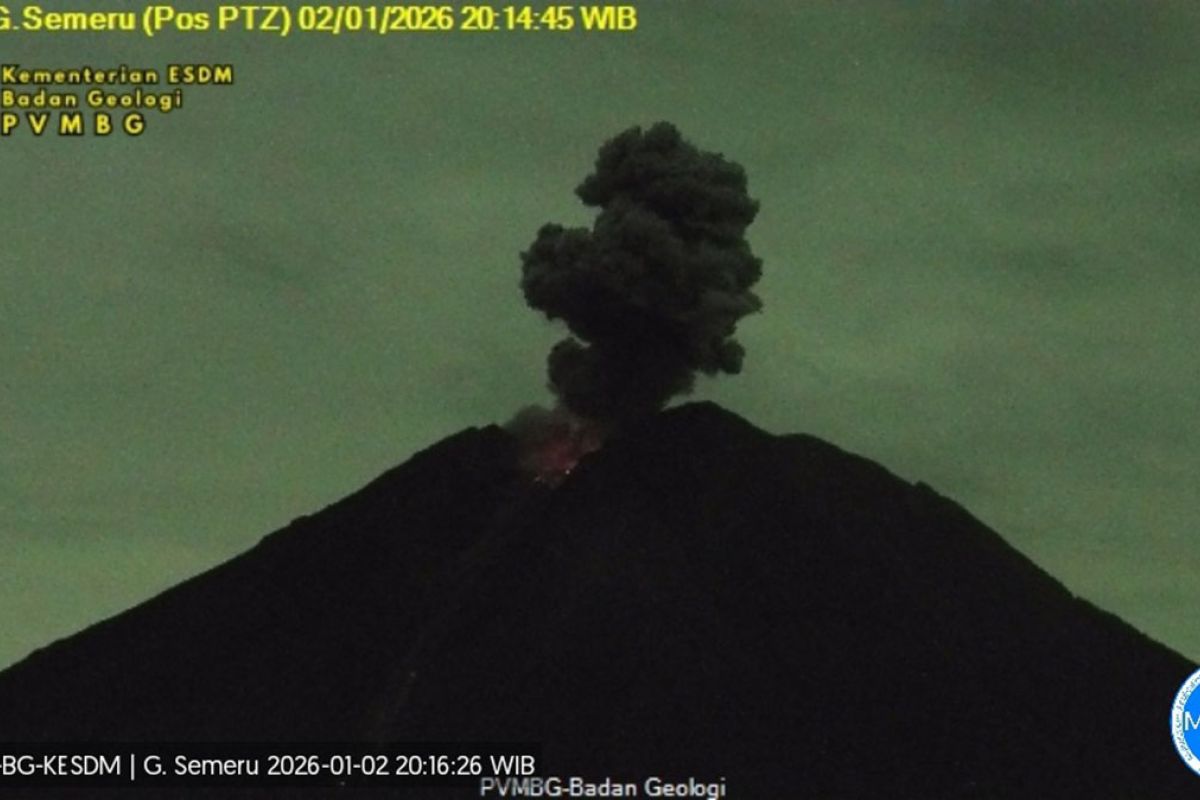
The Semeru Volcano in East Java, Indonesia, has been exhibiting significant volcanic activity since January 2, 2026, with eruptions reaching heights of up to one kilometer. The Indonesian Center for Volcanology and Geological Hazard Mitigation (PVMBG) has classified the situation as high alert, urging local communities to remain vigilant.
The eruption began early on January 2, with continuous activity reported throughout the day. Local authorities have been closely monitoring the situation as the volcano has shown a propensity for explosive eruptions, which could pose risks to nearby populations. The PVMBG has recommended a no-go zone extending five kilometers from the crater to ensure the safety of residents living in the vicinity.
Volcanic Activity Details
According to the latest reports, the eruptions at Semeru are characterized by ash plumes that have been observed rising over the surrounding landscape. These eruptions are not only marked by the height of the ash clouds but also by the potential for lava flow, which could threaten communities located on the volcano's slopes. The volcano's activity is being closely monitored by scientists who are analyzing seismic data and visual observations.
Local authorities are on high alert, and emergency response teams have been deployed to prepare for any potential evacuations. It is crucial for residents to stay informed and heed the warnings issued by authorities, especially as the situation can change rapidly. Evacuation plans are in place, and local government officials are coordinating with national agencies to ensure that residents are safe and well-informed.
Historical Context
Semeru is Indonesia's highest volcano and has a history of eruptions, with the latest significant activity occurring in 2021. This current phase of eruptive behavior underscores the ongoing geological dynamics of the region, which lies on the Pacific Ring of Fire—a zone known for its tectonic activity, including earthquakes and volcanic eruptions.
The Indonesian government has been proactive in managing volcanic risks, implementing comprehensive monitoring systems to provide timely warnings to the public. This includes the mobilization of resources and coordination with disaster management agencies to ensure community preparedness.
Conclusion
As the Semeru volcano continues its eruptions, the focus remains on ensuring the safety of the local population. Authorities are urging residents to stay vigilant and follow official guidance. The situation is developing, and updates from the PVMBG and local government will be critical in shaping the response to this ongoing volcanic threat. As Indonesia navigates this natural hazard, the resilience and preparedness of its communities will be paramount in mitigating the impacts of volcanic activity.