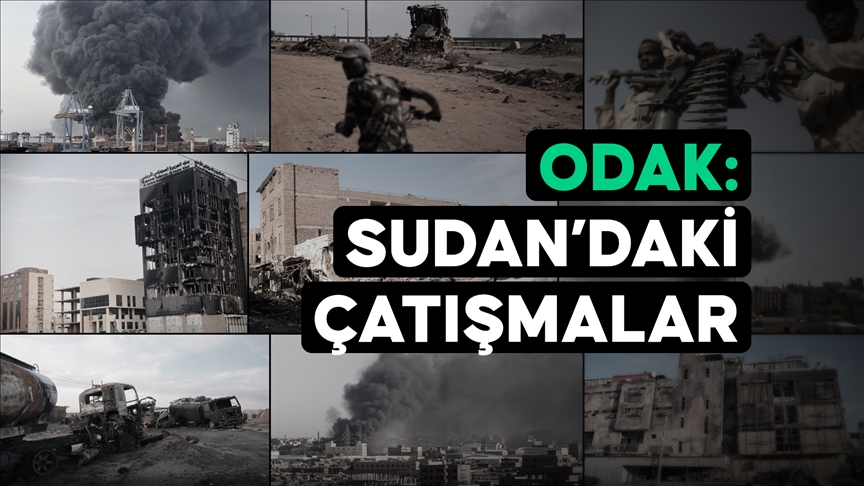

Ongoing Conflicts Escalate in Sudan Amidst Rising Violence
Sudan is currently facing a resurgence of violence and unrest, as conflicts persist across various regions of the country. The situation, which has been deteriorating since the start of 2026, has prompted concerns from international observers and humanitarian organizations regarding the safety and wellbeing of civilians caught in the crossfire.
As reported by Gdelt, the conflicts in Sudan have been characterized by intense clashes between armed groups and government forces, resulting in significant casualties and displacement of communities. The violence has primarily erupted in regions where ethnic tensions and political grievances are high, exacerbating an already volatile situation. Local sources indicate that the fighting has intensified over the past few weeks, leading to a humanitarian crisis as access to essential services and resources has been severely hampered.
The unrest stems from a combination of factors, including longstanding ethnic rivalries, competition for land and resources, and political instability following the ousting of former president Omar al-Bashir in 2019. Since then, Sudan has struggled to establish a stable governance structure, and the power struggles among various factions have only intensified the conflicts.
The Sudanese government has called for a ceasefire and dialogue, but these appeals have often fallen on deaf ears. Armed groups have largely remained entrenched in their positions, and reports suggest that both sides are bolstering their military capabilities. The violence has not only affected rural communities but has also spilled over into urban areas, causing fears of wider unrest.
Humanitarian organizations are warning of a looming crisis as thousands of people are reportedly fleeing their homes. Refugees are gathering in makeshift camps, where conditions are dire, with limited access to food, clean water, and medical assistance. The international community has been urged to provide aid and support to those affected by the violence, but challenges remain in delivering assistance in conflict zones.
In light of these developments, regional and international stakeholders are closely monitoring the situation. There is a growing consensus that a concerted effort is needed to engage all parties in dialogue to address the root causes of the conflicts and to pave the way for a peaceful resolution. However, the path to peace remains fraught with obstacles, and there is concern that without immediate intervention, the situation may spiral further out of control.
As Sudan grapples with these challenges, the need for a unified approach to restore stability and protect civilians has never been more critical. The ongoing conflicts highlight the fragility of the country's political landscape and the urgent need for a comprehensive strategy to ensure lasting peace and security for all Sudanese citizens.






