
Ongoing Activity at Etna Volcano Raises Alerts but No Immediate Threat to Local Communities
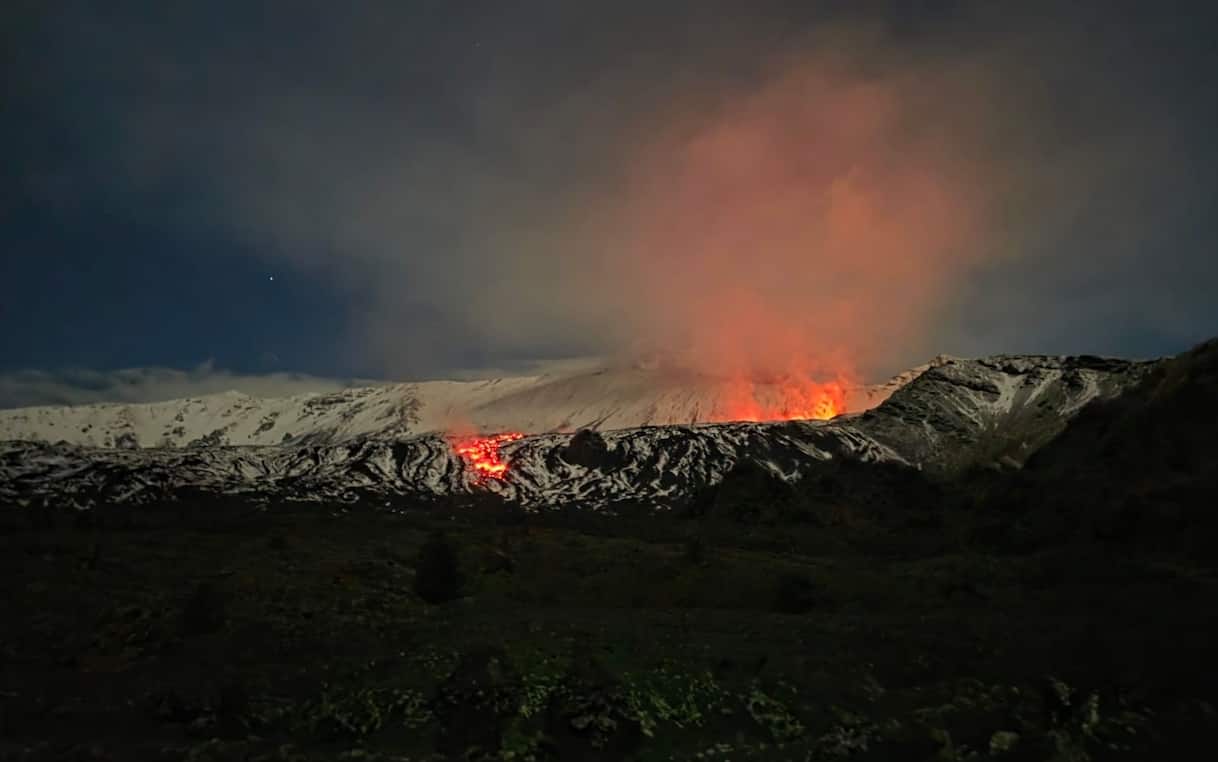
The Etna volcano, one of the most active volcanoes in the world, has been exhibiting ongoing volcanic activity since January 2, 2026. As lava flows reached approximately five kilometers from inhabited areas, the Italian authorities, including the Civil Protection Agency, have assessed the situation and assured residents that there is no immediate risk.
The latest eruption was confirmed at 16:28 UTC, prompting officials to monitor the situation closely. According to reports, the lava flow is currently moving in a southeast direction, away from populated regions. While the activity is considered medium in severity, the Civil Protection Agency has emphasized their readiness to respond should any changes occur.
In their latest statement, the agency noted, “We are continuously monitoring the volcanic activity and are prepared to take any necessary actions to ensure the safety of the residents.” They have also urged locals and visitors to remain vigilant but calm, as the current lava flow poses no direct threat to life or property.
Context of Etna’s Eruptions
Mount Etna, located on the east coast of Sicily, is Europe's highest and most active volcano. It has a long history of eruptions, with significant activity recorded for thousands of years. The volcano is known for its frequent eruptions that can vary in intensity and impact but typically are characterized by lava flows and ash emissions rather than explosive eruptions.
In recent years, the frequency of eruptions has increased, with notable activity in 2021 and 2022. The volcanic activity is closely monitored by the Istituto Nazionale di Geofisica e Vulcanologia (INGV), which provides real-time updates on seismic and volcanic activity.
Safety Measures and Preparedness
In response to the ongoing activity, local officials have established safety protocols to protect residents and tourists. Evacuation plans are in place, and emergency services are on heightened alert. The Civil Protection Agency has also been conducting public awareness campaigns to educate locals about volcanic safety.
Tourism in the area, which often benefits from the allure of Etna’s volcanic landscape, has not been significantly impacted by this recent activity. Authorities are encouraging visitors to enjoy the natural beauty of the region while remaining informed about safety measures.
Conclusion
As the situation at Mount Etna continues to evolve, the monitoring agencies are committed to providing timely updates and ensuring the safety of the local population. While the current activity poses no immediate risk, the long history of Etna serves as a reminder of the need for preparedness in the face of natural phenomena. The authorities remain vigilant, ready to respond to any changes in the volcanic activity.