
One Dead, Dozens Missing in Cebu City Landfill Collapse Amid Ongoing Rescue Efforts
Cebu City, Philippines – A massive garbage avalanche at a landfill in Cebu City has claimed at least one life, injured over a dozen people, and left 38 others missing, with search and rescue operations continuing into Friday amid challenging conditions.
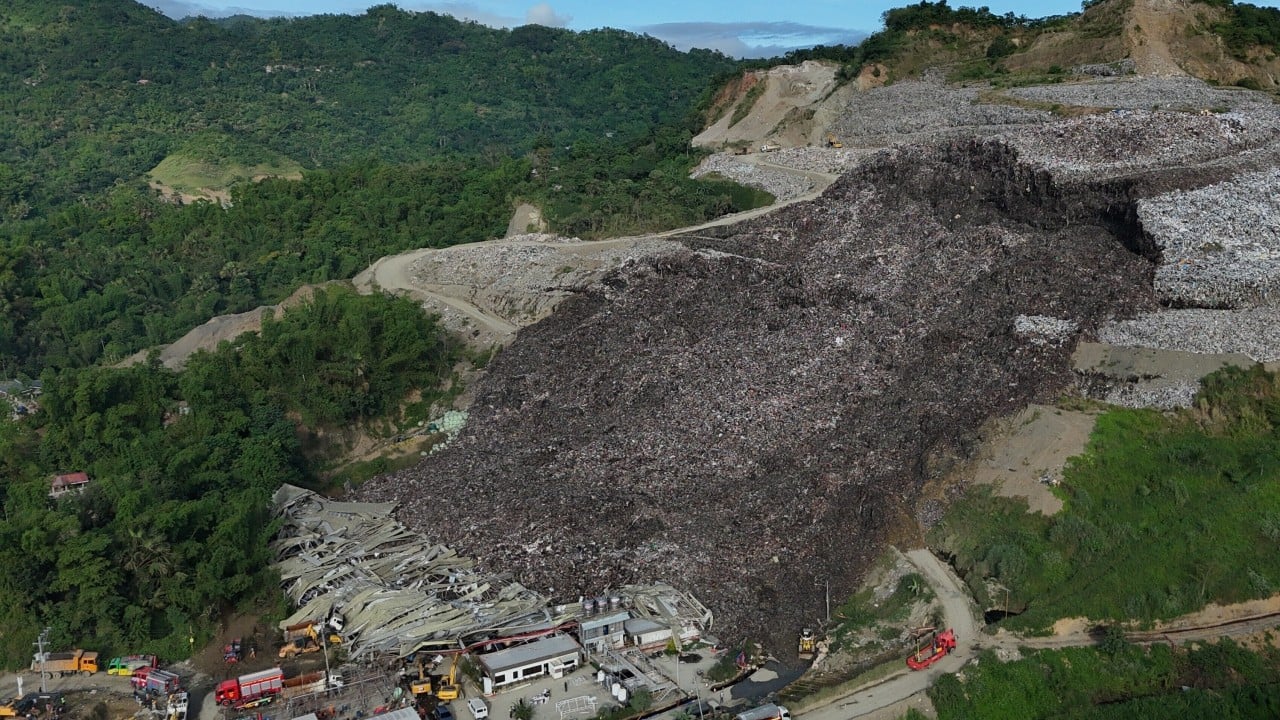
The incident occurred Thursday afternoon at a landfill in the village of Binaliw, Cebu City, where a mountain of garbage, earth, and debris collapsed, burying workers in low-slung buildings on the site. Officials reported that the avalanche trapped landfill workers, prompting an immediate response from dozens of rescuers. By Friday, teams had successfully retrieved 13 individuals alive overnight, but efforts to locate the remaining 38 missing people were ongoing.
Local authorities and police confirmed the death toll at one, with at least a dozen others injured. Rescue operations faced difficulties due to the unstable debris pile, but teams persisted through the night, using heavy equipment and manual searches to comb through the rubble.
Details of the Disaster
The collapse began around 2:45 p.m. local time on Thursday, January 8, 2026, according to timestamps from initial reports. Workers at the facility were suddenly engulfed when the unstable waste mass gave way, sweeping away structures and trapping those inside or nearby. "Dozens of rescuers retrieved 13 people alive overnight and were searching for the missing still trapped," officials stated, highlighting the perilous nature of the operation.
Cebu City officials have not yet released the identities of the victims or detailed the exact cause of the collapse, but preliminary accounts point to the overwhelming volume of waste at the site as a contributing factor. The Binaliw landfill, like many in the Philippines, handles significant daily influxes of municipal solid waste from the densely populated urban area.
Background on Waste Management Challenges in the Philippines
Landfill collapses and garbage avalanches are not uncommon in the Philippines, a nation grappling with rapid urbanization, population growth, and strained waste management infrastructure. Cebu City, the oldest city in the Philippines and a major economic hub in the Visayas region, generates thousands of tons of waste daily. The country's landfills often operate beyond capacity, exacerbated by limited recycling programs and illegal dumping.
According to data from the Department of Environment and Natural Resources (DENR), the Philippines produces over 40,000 tons of solid waste per day, with only about 20% properly managed through recycling or composting. High-profile incidents, such as the 2017 Payatas landfill collapse in Quezon City that killed several scavengers, underscore the recurring risks. More recently, heavy monsoon rains and typhoons have triggered similar disasters, though no extreme weather was reported preceding this event.
In Cebu specifically, the Inayawan Sanitary Landfill – near Binaliw – has faced criticism for overcrowding and environmental hazards. Advocacy groups like the EcoWaste Coalition have long called for modernization, including engineered landfills and waste-to-energy facilities, but progress has been slow due to funding shortages and regulatory hurdles. The national government under President Ferdinand Marcos Jr. has prioritized the Extended Producer Responsibility Act of 2022, aiming to shift waste management burdens to manufacturers, but implementation remains uneven.
Rescue and Response Efforts
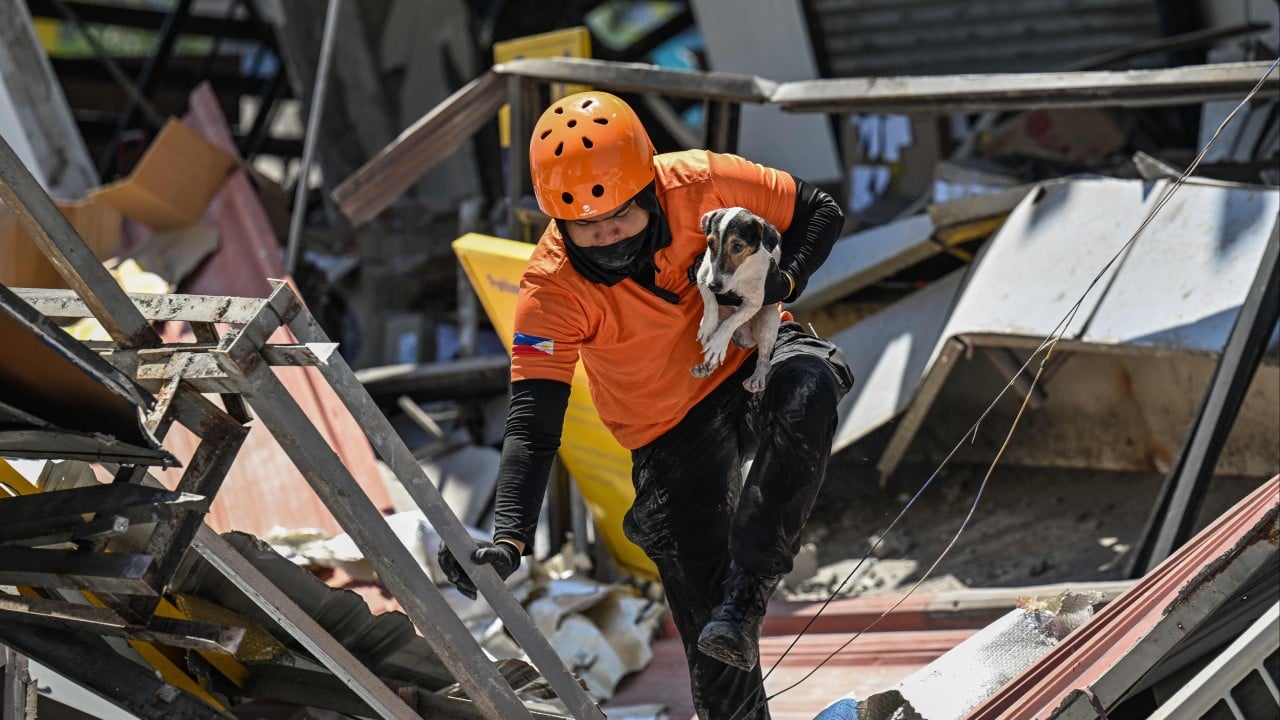
Rescue teams from the Cebu City Disaster Risk Reduction and Management Office, along with national agencies like the Philippine National Police and Bureau of Fire Protection, were mobilized swiftly. Heavy machinery, including excavators, was deployed to clear paths through the debris, while sniffer dogs and thermal imaging aided in locating survivors.
As of Friday morning, operations continued without interruption, with officials urging the public to avoid the area. Temporary shelters and medical aid were provided for the injured and rescued workers. Cebu City Mayor Michael Rama expressed condolences and pledged support for the affected families, stating in a public address that "all resources are being poured into this rescue."
No estimates have been given for when the search might conclude, but experts note that the risk of secondary collapses remains high, complicating efforts.
Outlook and Implications
This tragedy highlights the urgent need for improved landfill safety standards across the Philippines. Environmental watchdogs are expected to investigate the Binaliw site's compliance with DENR regulations, which mandate slope stability and leachate control. In the wake of similar past events, temporary closures and engineering assessments often follow.
As rescue operations press on, the nation watches closely, hoping for more survivors amid the grim toll. The incident serves as a stark reminder of the human cost of inadequate waste infrastructure in one of Southeast Asia's fastest-growing economies.
(Word count: 612)