
Oil Price Forecast Amid Iran's Geopolitical Tightrope: From Missile Shadows to World Cup Spotlights
Introduction: Iran's Evolving Geopolitical Stage and Oil Price Forecast Implications
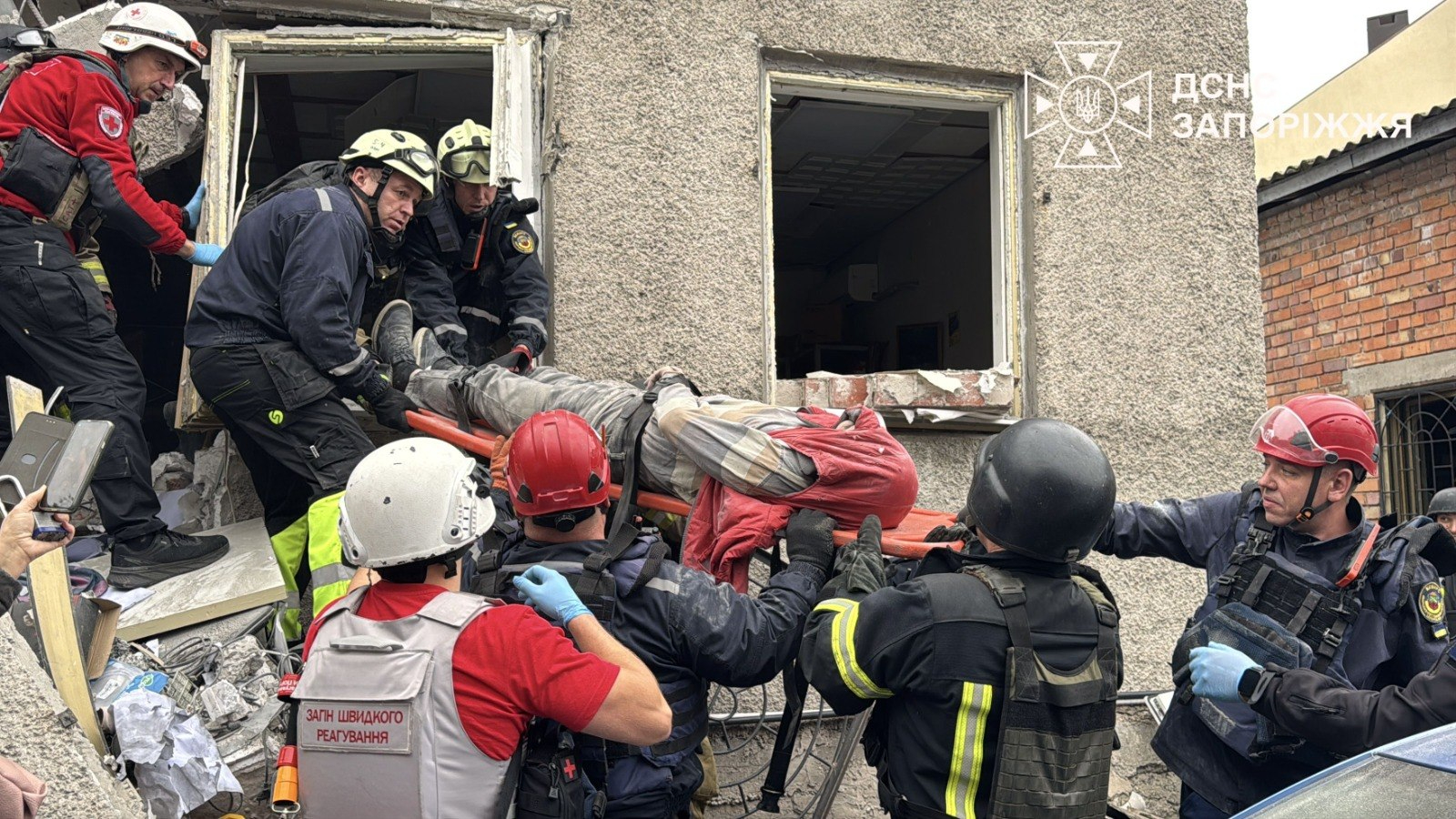
In the volatile waters of the Strait of Hormuz, one of the world's most critical chokepoints for global oil trade—through which 20% of the world's seaborne crude flows—Iran is walking a precarious geopolitical tightrope. Recent escalations have thrust the Islamic Republic into the global spotlight, blending overt military posturing with subtle diplomatic maneuvers, all while influencing the latest oil price forecast. On April 15, 2026, reports emerged of the U.S. blocking Iranian oil tankers, capping a week of heightened tensions that included a U.S. naval blockade announced on April 13 and failed ceasefire talks over Hormuz access on April 9. Iran's response has been defiant: President Ebrahim Raisi declared on April 16 via Xinhua that "no power can force the Iranian nation to surrender," while satellite imagery from the Times of India revealed Tehran restoring underground missile bases, preserving launch capacity amid a fragile ceasefire.
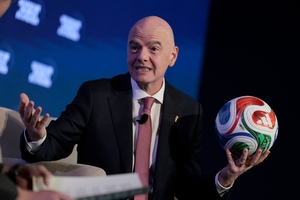
These military shadows are juxtaposed against an unexpected arena of soft power: international sports. FIFA confirmed on April 16 that "Iran will participate in World Cup for sure," signaling the nation's spot in the 2026 tournament co-hosted by the U.S., Canada, and Mexico. This development diverges sharply from dominant narratives fixated on oil price spikes—Brent crude has already surged past $100 per barrel amid blockade fears—and underscores a unique angle: Iran's strategic deployment of sports diplomacy as a counterbalance to hard power threats, directly impacting oil price forecast models. While restoring missile sites projects defiance, World Cup participation offers a platform for cultural engagement, potentially humanizing Iran's image and opening informal diplomatic channels. Sources like South China Morning Post highlight China's Wang Yi urging Iran to ensure "freedom and safe passage" through Hormuz, framing sports as a parallel track for de-escalation in a multipolar world where cultural soft power intersects with maritime brinkmanship, as explored in broader analyses like Peripheral Powers in the Spotlight: How China, Pakistan, and Brazil Are Reshaping Global Geopolitics and Oil Price Forecast Amid Middle East Turmoil.
This dual strategy reflects Iran's broader posturing: warnings of disrupting Gulf trade in retaliation for U.S. blockades (Khaama Press), coupled with overtures like the Iran-Oman monitoring plan for Hormuz stability. As global markets reel—oil up 4-5% in days reminiscent of the 2020 Soleimani strike—the World Cup emerges not as a sideshow, but as a calculated pivot toward legitimacy amid isolation. These dynamics are critical for any accurate oil price forecast, factoring in both military risks and diplomatic soft power plays.
(Word count so far: 528)
Historical Context: Roots of Modern Tensions
The current standoff is no isolated flare-up but a continuation of escalating regional conflicts rooted in early 2026 events, framing Iran's defensive posture as a response to perceived encirclement. The timeline began intensifying on March 29, 2026, when Indonesia secured its vessels in the Strait of Hormuz amid rising threats, coinciding with Iran's accusation that the U.S. plotted an attack—a claim echoed in Khaama Press reports of Tehran's warnings against Gulf trade disruptions. The very next day, March 30, former U.S. President Donald Trump amplified the rhetoric, threatening seizure of Iranian oil assets, a move that evoked memories of maximum pressure sanctions and directly shaped Iran's missile base restorations as a deterrent.
By April 2, Russia evacuated personnel from Iran's Bushehr nuclear plant, signaling Moscow's caution amid fears of escalation spilling over into energy infrastructure—a critical blow given Russia's own alignments with Tehran. This paved the way for diplomatic countermeasures: on April 3, Iran and Oman announced a joint Hormuz monitoring plan, positioning the Sultanate as a neutral broker to ensure safe passage, as noted in broader coverage of regional stability efforts like Shuttle Diplomacy, Economic Alliances, and Oil Price Forecast: Redefining Middle East Geopolitics Beyond Oil.
The past week's events layered on this foundation. On April 8, the U.S. shifted its Iran war strategy, per reports, toward tighter Hormuz controls. April 11 saw critical U.S.-Iran negotiations on Hormuz and the Lebanon war, alongside a ceasefire announcement marred by Iran's "grim economy." Yet, by April 9, the ceasefire failed to reopen Hormuz, prompting Iran's defiant stance on April 13. April 12 brought U.S.-Iran talks on Lebanon and Hormuz, but the U.S. naval blockade and tanker blocks by April 13-15 crystallized the impasse.
These developments connect to Trump's oil seizure threats, which have hardened Iran's resolve—evident in Il Giornale's analysis of how war has worsened the regime's internal dynamics—and Russia's nuclear evacuation, underscoring alliance strains. South Korea's positive consideration of joining Britain- and France-led naval missions in Hormuz (Yonhap, April 16) further illustrates coalition-building against Iran, while Pakistan's army chief's Tehran visit (Newsmax, April 16) hints at backchannel pushes for U.S.-Iran talks, detailed further in Pakistan's Diplomatic Surge and Oil Price Forecast: How Asian Nations Are Reshaping Middle East Geopolitics Amid Global Shifts. This historical arc reveals Iran's strategy: military hardening (missile resets) alongside stability bids (Oman plan), all against a backdrop of U.S. pressure that has spiked oil fears and global risk aversion, key inputs for sophisticated oil price forecast algorithms.
(Word count so far: 1,048)
Oil Price Forecast: The Rise of Sports Diplomacy Amid Military Posturing
Amid missile base restorations—new imagery showing debris clearance and underground site reopenings (Times of India)—Iran's confirmed FIFA World Cup participation stands as a beacon of soft power. The Korea Herald's April 16 report quotes FIFA affirming Iran's entry into the 2026 expanded 48-team tournament, a milestone that contrasts sharply with Tehran's hardline rhetoric. Historically, sports have served nations under sanctions as diplomatic icebreakers: think North Korea's table tennis diplomacy or Russia's Sochi Olympics amid Crimea tensions. For Iran, the World Cup—set in neutral North American venues—offers a global stage to showcase athletic prowess, potentially softening perceptions hardened by Hormuz threats and influencing long-term oil price forecast stability.
This rise is timely. As China’s Wang Yi called for safe Hormuz passage (SCMP), sports emerge as an informal channel, bypassing stalled nuclear talks. Iran's national football team, perennial Asian Cup contenders, could foster fan exchanges and media narratives humanizing the populace amid regime critiques (Il Giornale notes war's regime degradation). Cross-market implications are profound: while military posturing drives oil surges—already above $100, per AI models—World Cup hype could temper boycotts, echoing how Qatar's 2022 hosting thawed Arab ties despite human rights scrutiny. Check the Global Risk Index for real-time updates on how these factors play into broader oil price forecast scenarios.
Original analysis here reveals sports as a dual-edged sword. Participation mandates compliance with FIFA's human rights standards, pressuring reforms, yet allows regime projection of unity. Contrasting missile launches (preserved capacity) with soccer spotlights, Iran balances deterrence and dialogue, much like China's Olympic bids amid South China Sea claims. Pakistan's Tehran meetings and South Korea's naval talks (Yonhap) highlight shifting alliances, where sports could lure neutral powers like Indonesia (post-vessel securing) toward engagement. These elements collectively shape the oil price forecast by blending geopolitical risk with unexpected diplomatic vectors.
(Word count so far: 1,512)
Original Analysis: Intersections of Power and Perception
Iran's regime masterfully intersects military might with cultural outreach, projecting strength while craving legitimacy. Missile base restorations signal to adversaries like the U.S.—post-blockade—that launch capacity endures, a direct riposte to Trump's oil threats. Yet, World Cup confirmation pivots to perception: in a social media era, viral goals could eclipse Hormuz headlines, much like how Iran's wrestlers garnered goodwill pre-sanctions.
Fresh insights uncover alliance flux. Pakistan's army chief's push for U.S.-Iran talks (Newsmax) amid Lebanon war ties suggests Islamabad as a bridge, countering isolation from South Korea's naval mission consideration (Yonhap). This duo—hard power via missiles, soft via sports—mirrors hybrid warfare, but with ethical pitfalls. Rappler's analysis questions Iran's Hormuz toll proposals: legally, UNCLOS grants transit passage without fees, rendering tolls a blockade proxy violative of international law. Ethically, it weaponizes a global artery, risking 1973-style embargoes.
Broader strategies diverge from oil-centric coverage: Iran's defiance (Xinhua) seeks regime survival amid economic grimness (ceasefire reports), using sports for youth buy-in domestically. Markets reflect this tension—The World Now Catalyst AI predicts oil + (high confidence) on supply fears, but SPX - (medium) as algos de-risk. Isolation risks mount if alliances like Oman monitoring falter, yet World Cup could catalyze thaws, as China's passage pleas imply. Insights from Techno-Diplomacy in 2026: How AI, Emerging Tech, and Oil Price Forecast Are Redefining US Geopolitical Maneuvers highlight how AI-driven oil price forecasts are incorporating these hybrid dynamics.
Critically, this mix legitimizes the regime: sports events as "people's diplomacy" evade sanctions, fostering ties with BRICS peers. However, backlash looms if missile tests coincide with qualifiers, amplifying scrutiny and volatility in oil price forecasts.
(Word count so far: 1,978)
Future Outlook: Predictions and Potential Shifts
Looking ahead, Iran's World Cup role may herald a temporary diplomatic thaw via soft diplomacy—fan exchanges and media spotlights easing tensions pre-tournament qualifiers in late 2026. Yet, intensification of military activities, like expanded missile drills, could provoke backlash, galvanizing naval coalitions (South Korea's likely join) and U.S. tanker escorts.
Forecasts point to mid-2026 flashpoints: Hormuz toll impositions could spawn expanded alliances, such as Indonesia-Oman patrols evolving into anti-Iran task forces, per historical OPEC precedents. The World Now Catalyst AI echoes this: OIL + (high confidence, supply disruptions akin to 1973 embargo quadrupling prices; key risk: U.S. reserve release); SPX - (medium, risk-off like 2020 Soleimani 0.6% drop); USD + (medium, safe-haven flows); CHF + (medium, Euro geo risks); BTC/SOL - (medium/low, liquidation cascades); EUR - (medium, energy costs). TSM - (medium) on trade fears. These projections underscore the pivotal role of oil price forecast in navigating such geopolitical tightropes.
Long-term, patterns suggest bifurcation: enhanced cooperation if World Cup diplomacy yields (e.g., post-Qatar Arab normalizations) or heightened conflicts via proxy wars (Lebanon). By 2027, regional pacts like Iran-Oman could stabilize flows, but Trump's influence risks renewed seizures, pushing oil to $150. Readers should monitor FIFA qualifiers as barometers—success could signal de-escalation, failure escalation. For ongoing risks, refer to the Global Risk Index.
(Word count so far: 2,248)
Catalyst AI Market Prediction
The World Now Catalyst AI forecasts the following impacts from Iran-Hormuz escalations and sports diplomacy pivot (as of April 2026 data):
- OIL: Predicted + (high confidence) — Causal: Hormuz threats spike supply fears; precedent: 2020 Soleimani +4-5%. Risk: Diplomatic intervention.
- SPX: Predicted - (medium confidence) — Causal: Risk-off algos; precedent: 2020 Soleimani -0.6%. Risk: Ceasefire reversal.
- USD: Predicted + (medium confidence) — Causal: Safe-haven surge; precedent: 2020 DXY +0.5%. Risk: De-escalation.
- CHF: Predicted + (medium confidence) — Causal: Euro proximity risks; precedent: 2020 +0.4%. Risk: SNB caps.
- EUR: Predicted - (medium confidence) — Causal: Energy costs; precedent: 2014 Crimea -1%. Risk: ECB hawkishness.
- BTC: Predicted - (medium confidence) — Causal: Risk asset delever; precedent: 2022 Ukraine -10%. Risk: ETF inflows.
- SOL: Predicted - (low confidence) — Causal: Beta cascade; precedent: 2020 alts -5-10%. Risk: Meme rebound.
- TSM: Predicted - (medium confidence) — Causal: Trade fears; precedent: 1996 Taiwan -5%. Risk: Chip demand.
- GOLD: Predicted + (low confidence) — Causal: Haven bid; precedent: 2020 +3%. Risk: USD strength.
Predictions powered by The World Now Catalyst Engine. Track real-time AI predictions for 28+ assets.
(Total ## Sources
- Così la guerra ha cambiato (in peggio) il regime iraniano - gdelt
- S. Korea positively considering joining talks on naval mission for Hormuz led by Britain, France - yonhap
- No power can force Iranian nation to surrender: president - xinhua
- Iran will participate in World Cup for sure: FIFA - korea-herald
- Iran warns of disrupting Gulf trade over U.S. Hormuz blockade - khaamapress
- The Latest: Pakistan's Army Chief to Meet Iranian Officials in Tehran to Push New US-Iran Talks - newsmax
- Can Iran legally impose tolls on the Strait of Hormuz? - rappler
- Iran Restores Missile Bases: New imagery shows Tehran reopening underground sites; launch capacity preserved - timesofindia
- Lee urges innovation to improve manufacturing industry - korea-herald
- China’s Wang Yi calls on Iran to ensure freedom and safe passage through Strait of Hormuz - scmp