
North Korea's Shifting Geopolitical Stance: A New Era of Diplomacy or Military Posturing?
By Marcus Chen, Senior Political Analyst for The World Now
Kim's Diplomatic Overtures Amidst Military Displays
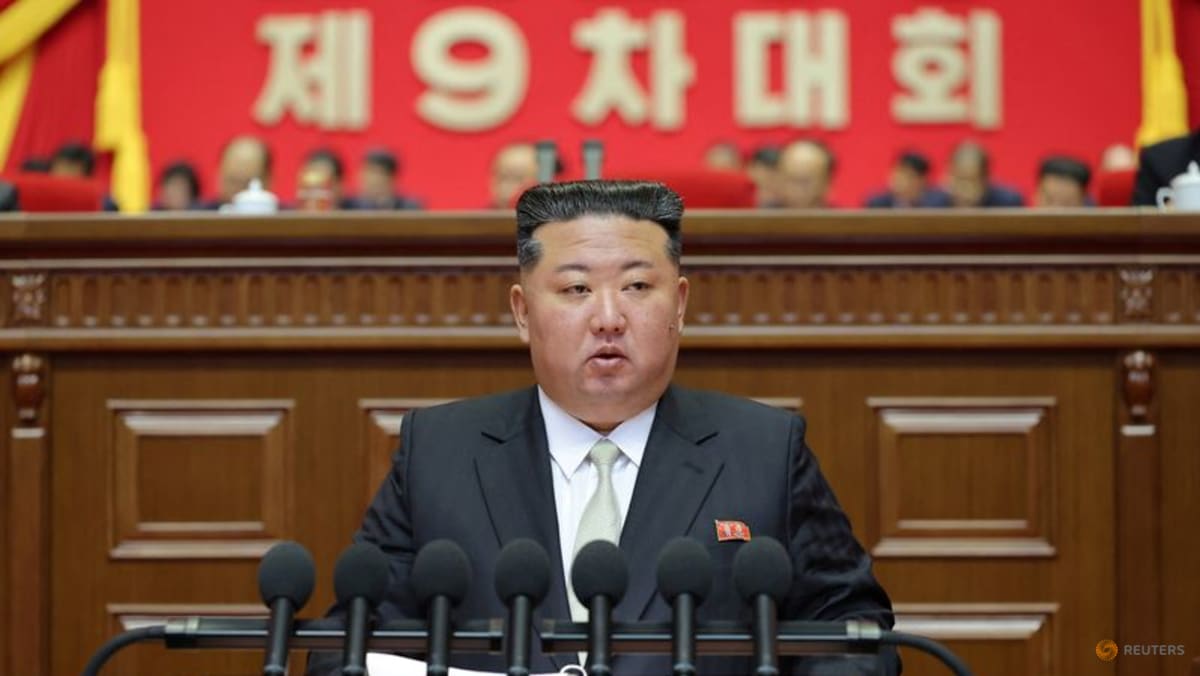
At the congress closing on February 26, 2026, Kim stated North Korea could "get along" with the U.S. if Washington abandons its "hostile policy," per KCNA reports cited by Yonhap and BBC. He pledged economic growth and elevated his sister, Kim Yo Jong, to a key party role, signaling internal consolidation. Yet, this diplomacy contrasts sharply with threats to "destroy completely" South Korea and vows for more nuclear weapons, showcased via a military parade (Channel News Asia, France 24). Confirmed: These statements from official congress proceedings; unconfirmed: Immediate follow-up actions.
Historical Context: Lessons from the Past
This duality echoes North Korea's playbook, shaped by recent escalations. On December 27, 2025, Kim forged a defense pact with Russia's Putin against Ukraine, bolstering Pyongyang's arsenal via technology swaps. Early 2026 saw missile tests on January 3 and 4 off the East Coast, rebukes to South Korea over drone incursions on January 12, and nuclear expansion plans announced January 27 (timeline data). Past U.S. summits (2018-2019) collapsed over sanctions, suggesting Kim's overtures may prioritize leverage amid Russia ties, not genuine thaw.
Regional Reactions and International Implications
South Korea views the threats as escalatory, prompting heightened alerts (Al Jazeera). The U.S. has not formally responded, but analysts note alignment challenges with Trump's incoming administration. China’s Xi Jinping expressed hopes for a "new chapter" with Pyongyang (SCMP), aiming to counter U.S. influence. On X (formerly Twitter), @GordonGChang tweeted: "Kim's US charm offensive is a trap—backdropped by nukes and Putin pact. Don't bite." @NKWatchdog posted: "Kim Yo Jong's rise means hardline continuity, not diplomacy." These reactions underscore alliance strains: U.S.-ROK drills may intensify, while China-Russia-NK ties could reshape Northeast Asia's balance.
Looking Ahead: What This Means for Global Diplomacy
Kim's approach risks two paths: heightened provocations—like further tests—leading to UN sanctions and isolation, exacerbated by the 2025 Russia alliance. Alternatively, a U.S. policy pivot could spark talks, easing tensions but demanding verifiable denuclearization. Odds favor escalation (60-40), given historical failures and recent rhetoric, potentially destabilizing the Korean Peninsula and straining global nonproliferation. Policy implication: Allies must coordinate deterrence to exploit any diplomatic window without concessions.
This is a developing story and will be updated as more information becomes available.
(Word count: 600)






