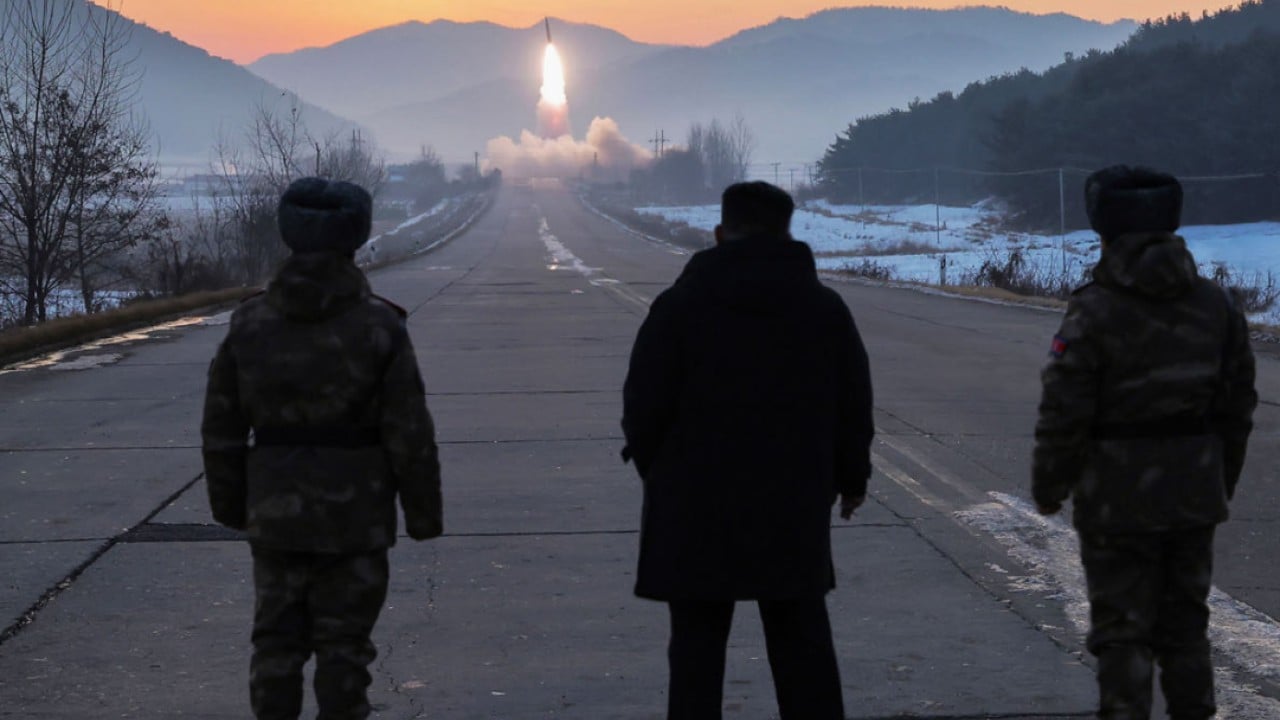
North Korea Launches Ballistic Missile into Sea of Japan, Escalating Regional Tensions

Latest from X
North Korea Launches Ballistic Missile into Sea of Japan, Escalating Regional Tensions
In a move that has heightened concerns over security in East Asia, North Korea fired a ballistic missile toward the Sea of Japan on January 4, 2026, marking the latest in a series of provocative actions by the isolated nation. This launch, reportedly overseen by leader Kim Jong-un, comes amid broader geopolitical tensions and follows recent international events, including the arrest of Venezuelan President Nicolas Maduro.
The missile test, which occurred early on Sunday, January 4, was described by sources as a demonstration of North Korea's military capabilities and a response to perceived threats from the United States and its allies. According to reports, the missile splashed down into the Sea of Japan without causing immediate damage or casualties. This event underscores Pyongyang's ongoing efforts to advance its weapons program, potentially as a deterrent against external pressures. The launch has prompted swift reactions from neighboring countries, with South Korea and Japan issuing alerts and monitoring for any further activity.
Details of the launch emerged from official statements and analyses, linking it to Kim Jong-un's remarks during the test. As reported in the South China Morning Post, Kim alluded to the U.S. capture of Maduro on January 3, 2026, and previous actions against Iran, framing the missile firing as a necessary step to strengthen North Korea's nuclear arsenal. In his statements, Kim emphasized that denuclearization would equate to "suicide" for his regime, highlighting the vulnerability of nations without advanced military deterrents. This rhetoric suggests that the launch is not an isolated incident but part of a strategic narrative to assert sovereignty and negotiate from a position of strength.
The timing of the missile test adds to its significance. It follows a pattern of North Korean provocations, often timed to coincide with international events or domestic challenges. Analysts point to North Korea's economic struggles, exacerbated by ongoing sanctions, as a potential motivator for such actions. By demonstrating military prowess, Pyongyang may be seeking to extract concessions, such as aid or eased restrictions, from China or other nations. This launch is the first reported ballistic missile test of 2026, according to posts on X from verified accounts of news organizations and regional experts, which have described it as a deliberate signal amid heightened global scrutiny.
Background on North Korea's missile program reveals a history of rapid advancements despite international condemnation. Since 2017, Pyongyang has conducted numerous tests, including intercontinental ballistic missiles (ICBMs) capable of reaching parts of the U.S. and its allies. These efforts have drawn repeated UN Security Council resolutions and sanctions, aimed at curbing North Korea's nuclear ambitions. The current launch echoes previous incidents, such as those in 2024, where cruise and ballistic missiles were fired into the Sea of Japan, prompting joint military exercises by South Korea, the U.S., and Japan. Posts on X from verified journalists and news outlets have echoed these historical parallels, noting that this event could further strain diplomatic efforts, though such social media reports should be treated as indicative of public sentiment rather than definitive evidence.
In response, South Korea's military confirmed the launch and heightened its defense posture, while Japan's government issued an alert, citing the missile's trajectory as a potential risk to maritime safety. The U.S. State Department has yet to release an official statement, but historical patterns suggest possible condemnations and calls for renewed talks. China, North Korea's key ally, has remained relatively silent, though it has previously urged restraint to maintain regional stability.
This incident occurs against a backdrop of escalating global tensions, including conflicts in the Middle East and uncertainties in U.S. foreign policy. For North Korea, the missile test serves as a reminder of its capability to disrupt the status quo, potentially influencing ongoing negotiations over its nuclear program. As the international community assesses the implications, experts warn that such actions could lead to increased military alliances in the region, including expanded trilateral cooperation between South Korea, Japan, and the U.S.
Looking ahead, the launch may prompt a reevaluation of diplomatic strategies, with possibilities for new sanctions or dialogue. While immediate fallout appears contained, the event highlights the fragile balance of power in East Asia, where provocative gestures often lead to cycles of escalation and de-escalation. Observers will be watching closely for any further tests or responses from global powers in the coming days.
(Word count: 612)
Track this story live
Live World Map
Monitor global events in real time with a live activity map and hotspot summaries.
Global Conflict Map
Follow active conflict zones, strike activity, and emerging geopolitical hotspots.
Current Wars
Track all active wars and armed conflicts happening in the world right now.
Iran War
Track the Iran war in real time with proxy network monitoring, Strait of Hormuz risk, and market impact.
Original Sources
- •North Korea’s missile test after Maduro’s arrest signals denuclearisation equals ‘suicide’— South China Morning Post
Editorial process: This article was synthesized from the original sources cited above using The World Now's AI editorial system, with byline accountability from our editorial team. We grade every story for source grounding, factual coherence, and on-topic match before publication. Read more about our editorial standards and contributors. Spot something inaccurate? Let us know.
Last updated: January 23, 2026






