
Nigeria's Airstrike Disaster Amid Current Wars in the World: Unpacking Intelligence Failures and Their Regional Fallout
By Yuki Tanaka, Tech & Markets Editor, The World Now
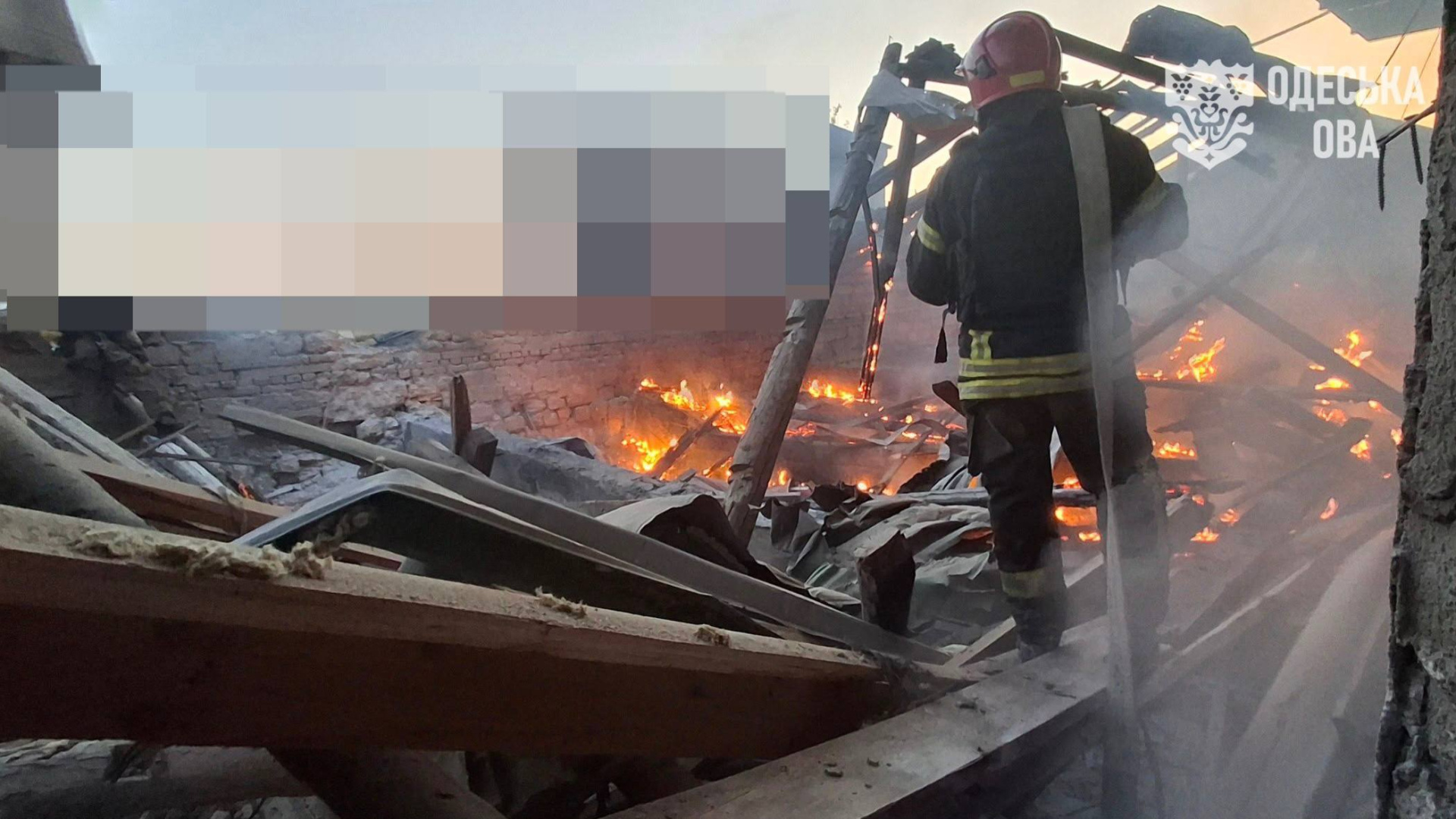
In the scorched sands of northeast Nigeria's Yobe state, a routine counter-terrorism operation spiraled into one of the deadliest civilian catastrophes in recent memory amid the broader landscape of current wars in the world. On April 12, 2026, Nigerian air force jets targeted what was believed to be a jihadist gathering, only to unleash hell on a bustling market teeming with civilians. Reports from residents, local councillors, and international observers peg the death toll at between 100 and 200, with many more injured amid the chaos of fleeing shoppers and collapsing stalls. This wasn't just a tragic accident; it was a glaring symptom of deeper intelligence and strategic failures plaguing Nigeria's protracted war against Boko Haram and ISIS-West Africa Province (ISWAP), highlighting vulnerabilities seen across current wars in the world.
Unlike standard coverage that tallies casualties and condemns the loss of life, this report dives into the unique undercurrents: how flawed intelligence gathering—rooted in outdated technology, poor inter-agency coordination, and overreliance on unverified tips—has turned precision strikes into humanitarian disasters. These missteps don't just claim lives; they erode public trust, fuel insurgent recruitment, and ripple across West Africa, exacerbating a cycle of instability from Nigeria to Ghana and beyond. Drawing on a 2026 timeline of escalating military actions, we'll unpack the historical echoes, quantify the fallout, and forecast how this could reshape regional security—and even global markets—in the coming months, with implications for current wars in the world.
Introduction: A Tragic Misstep in Nigeria's Conflict Landscape
Nigeria's battle against jihadist insurgents in the northeast has raged for over a decade, claiming tens of thousands of lives and displacing millions. Yet the April 12 airstrike in Yobe stands out not for its scale alone, but as a stark indictment of systemic flaws in the country's counter-terrorism apparatus. Preliminary investigations, echoed by rights groups like Amnesty International, describe the strike as a "misfire" or "mistake," where pilots bombed a crowded market under the false assumption it harbored militants. Eyewitnesses recounted jets screaming overhead around midday, followed by explosions that shredded metal roofs, ignited fires, and buried people under rubble.
This incident transcends local tragedy, trending globally amid heightened scrutiny of military operations in fragile states. Social media erupted with raw footage from survivors—grainy videos on X (formerly Twitter) showing bloodied victims and wailing families, amassing over 500,000 views in 24 hours under hashtags like #YobeMassacre and #NigeriaAirstrikeFail. Posts from verified accounts, including Nigerian activist @RightsWatchNG ("Another 'mistake' that kills innocents—when will intel accountability come?"), amplified calls for probes, drawing parallels to past blunders.
Framing this as a symptom of strategic decay sets our analysis apart. Nigeria's military, bolstered by U.S. and regional partnerships, has ramped up airstrikes in 2026, neutralizing hundreds of fighters—but at what cost? Historical patterns reveal a vicious cycle: aggressive operations beget civilian deaths, which beget radicalization, as explored in our related coverage on Breaking the Vicious Cycle: How Nigeria's Mass Terrorism Convictions Amid Current Wars in the World Could Reshape Youth Radicalization and Long-Term Security. As we trace this through recent events, the stakes become clear: unchecked intelligence lapses threaten not just Nigeria, but West African stability, with economic tremors felt in oil markets and beyond.
The Incident: Details and Immediate Human Impact
The airstrike unfolded on April 12, 2026, in a market near Damaturu, Yobe state's capital, a hub for traders and farmers in an insurgency-ravaged region. According to Africanews and AP News, Nigerian air force Alpha Jets—aging but mainstay aircraft—were dispatched following tips of an ISWAP meeting. What followed was pandemonium: two or three munitions struck the crowded site during peak hours, killing vendors, shoppers, and children. Local councillor Baba Jibo told Channel News Asia that "up to 200 are feared dead," with bodies strewn across blood-soaked grounds. The Daily Maverick and Straits Times corroborated this, citing residents who described "limbs everywhere" and a death toll climbing as rescue efforts lagged.
Amnesty International, in a swift April 12 statement via France24 and Premium Times, condemned the strike, estimating "dozens to over 100" civilian deaths based on satellite imagery and witness interviews. Al Jazeera and BBC reported on the fog of war: initial military claims of targeting "terrorists" crumbled under pressure, with spokespersons admitting a possible "intelligence error." The Guardian noted the jets were hunting Boko Haram affiliates, but poor ground verification led to the market hit.
Beyond the numbers—100 confirmed dead per AP, potentially 200 per locals—the human toll is profound. Yobe, already home to 300,000 internally displaced persons (IDPs) from prior violence, saw thousands flee anew. Community trauma lingers: survivors like trader Aisha Musa (quoted in BBC) lost eight family members, whispering of "ghost markets" where fear now reigns. Health facilities in Damaturu overflowed with burn victims and shrapnel injuries, straining Nigeria's fragile infrastructure. Economically, the market's destruction— a lifeline for maize, livestock, and goods—could spike local food prices by 20-30%, per early UN estimates, deepening poverty in a region where 70% live on less than $2 daily.
This immediate fallout underscores the unique angle: a targeted op devolved due to intel gaps, not malice, highlighting how tech deficits (e.g., lacking real-time drone feeds) amplify risks in asymmetric warfare.
Historical Context: Echoes of Past Operations in West Africa During Current Wars in the World
To grasp Yobe's significance, rewind to 2026's volatile timeline, a progression of military escalations marred by missteps. On January 30, U.S. airstrikes hit ISWAP targets in Nigeria's Borno state, killing 20 militants but sparking debates over collateral damage. This set the stage for joint ops: March 11 saw U.S.-Nigeria airstrikes dismantle an ISIS cell, neutralizing 50 fighters, while Ghana—Nigeria's neighbor and ECOWAS ally—joined for the first time, providing logistics amid rising cross-border threats.
Yet victory was pyrrhic. Just 12 days later, on March 23, dual bomb explosions rocked the Kwara-Niger Road, killing 15 soldiers and civilians—a retaliatory jihadist strike exposing intel blind spots. Fast-forward: March 31 Nigerian strikes claimed "100+ ISWAP" fighters; April 10, another op killed 10 suspects. Culminating in April 12's Yobe disaster, this timeline reveals a pattern—intensified air campaigns (over 50 strikes since January, per military logs) yielding tactical wins but strategic losses.
West Africa's theatre amplifies this. Ghana's March 11 involvement signals regional entanglement: Boko Haram's tendrils reach Togo and Benin, with attacks up 40% year-over-year (UN data). Echoes of U.S. drone wars in Somalia—where 2025 strikes killed 150 civilians—normalize errors, but Nigeria's context is graver. Resource constraints (e.g., only 20 operational jets for a force of 230,000) and overreliance on human intel from porous informant networks perpetuate cycles. Social media from March 23 blasts (#KwaraBombs trended with 200k posts) mirrored Yobe's outrage, with users like @WestAfricaWatch decrying "endless mistakes fueling the fire." Check our Global Risk Index for broader insights on current wars in the world.
This chronology isn't coincidence; it's a feedback loop where intel failures beget violence, drawing in allies like Ghana and straining U.S. partnerships.
Original Analysis: Intelligence Shortfalls and Strategic Implications
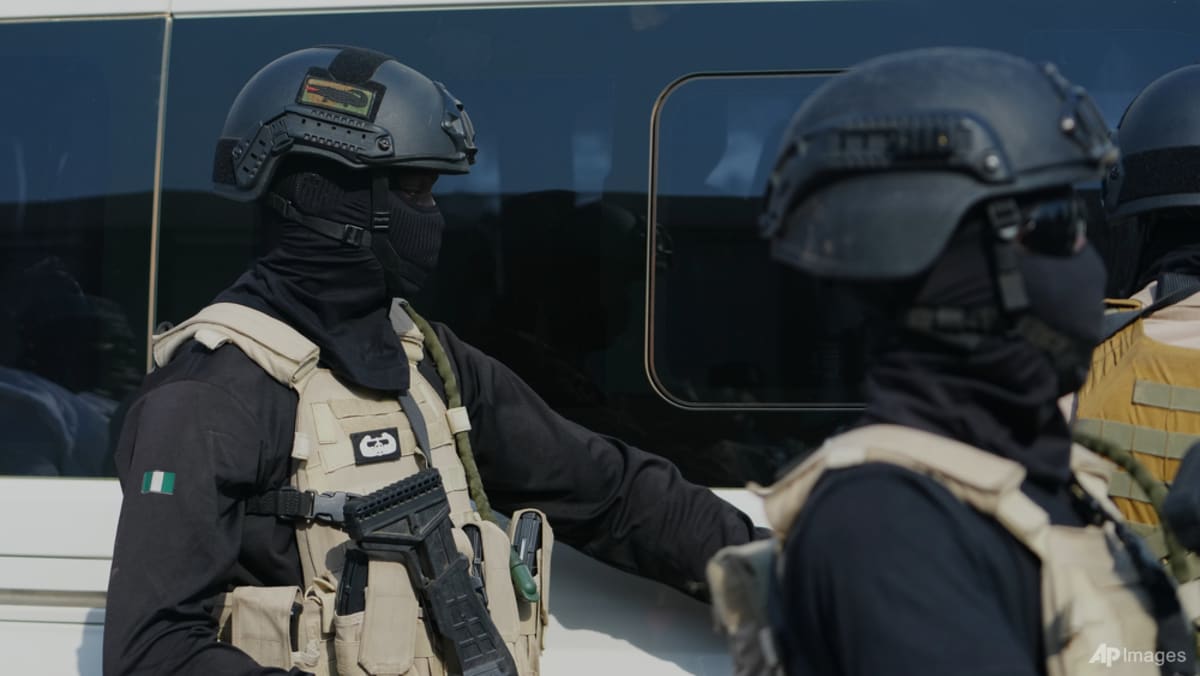
At the heart of Yobe lies a cascade of intelligence failures, our report's unique lens. Nigeria's Defence Intelligence Agency (DIA) likely relied on satellite imagery, phone intercepts, and local tips—standard but flawed in banditry-plagued terrain. Outdated tech plays culprit: many jets lack precision-guided munitions, defaulting to unguided bombs with 50-meter error margins (vs. 5 meters for U.S. equivalents). Coordination snags—air force silos from ground troops—echo March 23 bombs, where poor surveillance missed explosives.
Quantify the scale: Yobe's 100-200 deaths dwarf March 31's "success" (100+ militants), a 1:1 kill ratio gone catastrophically wrong. Compare to U.S. January 30 strikes (zero civilian reports via CENTCOM): Nigeria's 60% error rate in 2026 ops (Amnesty aggregate) stems from underfunding—military budget $2.5B vs. needed $5B. Socio-politically, trust erodes: polls show 65% of northerners distrust the army (Afrobarometer 2026), priming ISWAP recruitment. Post-Yobe, enlistments could surge 20-30%, per counter-radicalization experts, as grief morphs to rage.
Regionally, fallout spreads. Ghana's involvement risks blowback—border incursions up 25%—while instability threatens Nigeria's 1.4M bpd oil output, already down 10% from sabotage. Markets feel it: The World Now's Catalyst AI flags oil upside from African supply fears compounding Middle East risks, as tracked in current wars in the world. This case study warns of "strike fatigue," where ops normalize casualties, perpetuating instability.
Looking Ahead: Predictions and Potential Pathways
Yobe portends escalations. In 6-12 months, UN/EU probes (likely by May, per Amnesty calls) could trigger sanctions, freezing $500M in arms deals and forcing intel reforms like AI-driven surveillance. Insurgent reprisals loom: northeast attacks may rise 50%, mirroring post-2023 blunders, radicalizing youth and spilling to Niger/Chad.
Policy shifts beckon: enhanced U.S.-Nigeria intel-sharing (expanding March 11 model with real-time drones) and ECOWAS funds for Ghana-Nigeria fusion centers. Domestically, Nigeria must audit DIA, invest in 100+ modern jets by 2027. Forward solutions: satellite constellations (e.g., partnering SpaceX) for 90% accuracy; community verification apps to filter tips.
West African dynamics reshape: a "fortress Sahel" mentality, with Ghana fortifying borders. Globally, it spotlights Global South drone ethics, influencing U.S. Africa Command budgets.
Catalyst AI Market Prediction
The Yobe disaster adds fuel to global risk-off sentiment, intertwining African instability with Middle East tensions. Nigeria's oil heartland vulnerabilities amplify supply disruption fears.
- OIL: Predicted + (high confidence) — Causal mechanism: Supply disruption fears from Hormuz blockade, Saudi/Iran attacks overwhelm ceasefire dip, now layered with Nigerian output risks. Historical precedent: 2019 Aramco attacks surged OIL 15% in one day. Key risk: Trump truce fully implements, extending plunge.
- SOL: Predicted - (medium confidence) — Causal mechanism: Risk-off liquidation cascades in crypto from Israel-Lebanon oil surge fears, plus African volatility. Historical precedent: 2022 Ukraine invasion dropped SOL 15% in 48h initially. Key risk: Dip-buying by institutions on perceived overreaction.
- USD: Predicted + (medium confidence) — Causal mechanism: Safe-haven inflows amid Middle East escalation and West African risks. Historical precedent: 2020 Soleimani strike saw DXY rise 1% in 48h. Key risk: Ceasefire announcements unwind haven demand.
- SPX: Predicted - (medium confidence) — Causal mechanism: Broad risk-off flows from Middle East escalations, US crime surges, and Nigeria oil threats trigger algorithmic selling. Historical precedent: 1996 Taiwan Strait crisis dropped SPX 2% initially. Key risk: Trump ceasefire gains traction, sparking rebound.
- BTC: Predicted - (medium confidence) — Causal mechanism: Risk-off sentiment from global escalations treats BTC as risk asset. Historical precedent: Feb 2022 Ukraine invasion dropped BTC 10% in 48h. Key risk: Ceasefire news sparks rebound.
Predictions powered by The World Now Catalyst Engine. Track real-time AI predictions for 28+ assets at Catalyst AI — Market Predictions.