
Navigating Uncertainty: The UAE Amidst Regional Tensions and Economic Impacts
By David Okafor, Breaking News Editor, The World Now
March 2, 2026
Introduction: Setting the Stage for Conflict
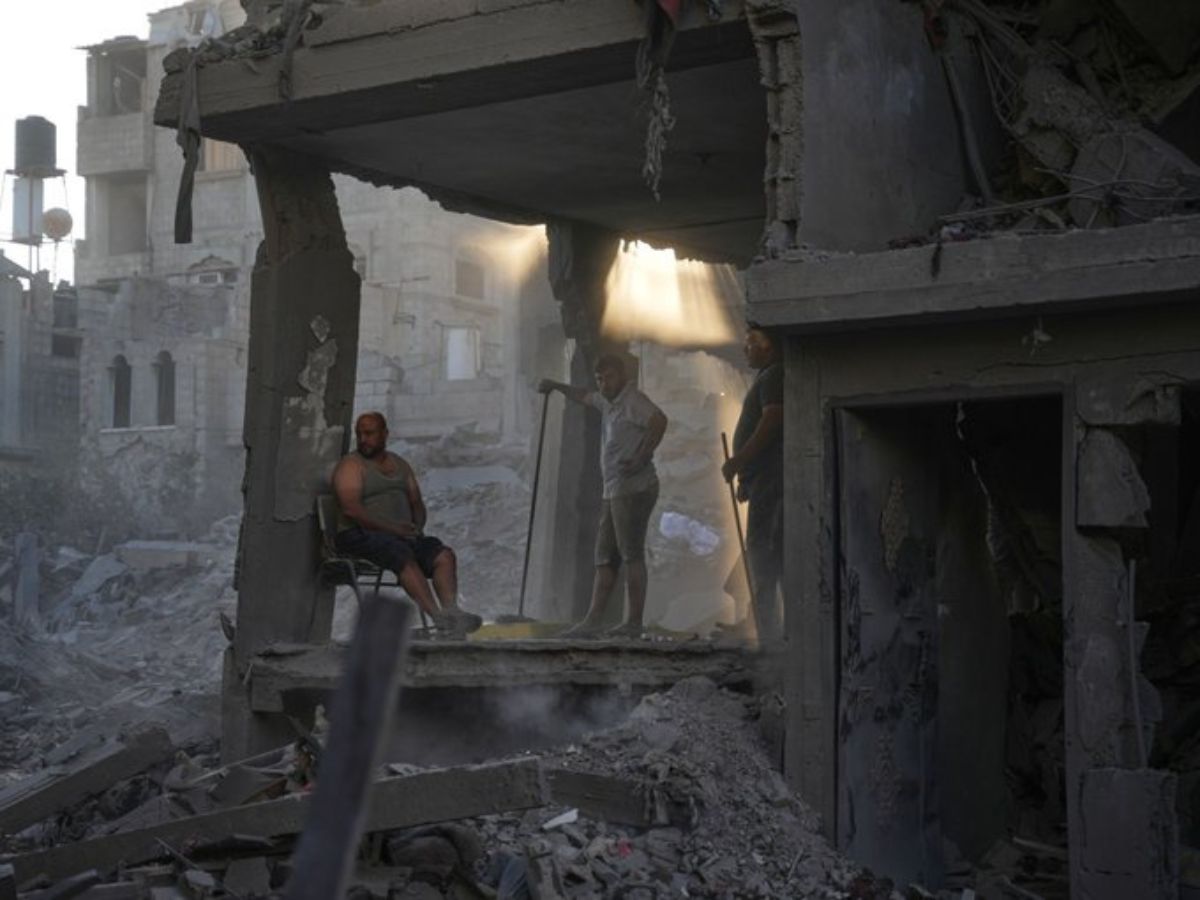
The Middle East is once again teetering on the brink of escalation, with Iran's aggressive posturing against Gulf states injecting fresh volatility into an already fraught geopolitical landscape. On March 1, 2026, Iran launched a series of blasts targeting Gulf countries, prompting swift interceptions by regional defenses. This incident, amid the broader Iran-US-Israel war, has cast a long shadow over the United Arab Emirates (UAE), a linchpin of regional stability and global commerce.
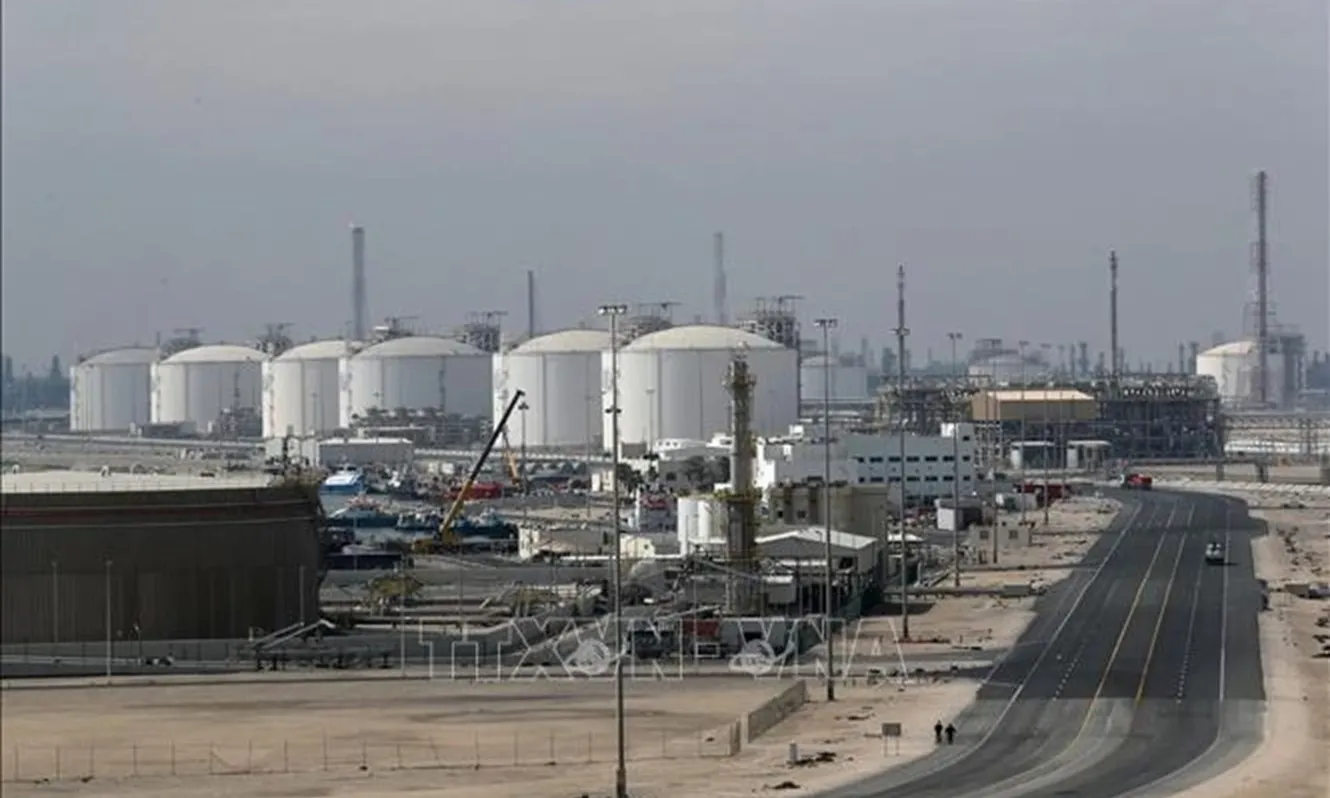
The UAE's strategic importance cannot be overstated. Home to the world's busiest ports, glittering skyscrapers, and a tourism industry that draws millions annually, the emirates serve as a bridge between East and West. Dubai and Abu Dhabi's Jebel Ali Free Zone handle over 15 million TEUs (twenty-foot equivalent units) yearly, making them vital arteries for global trade. Yet, this centrality exposes the UAE to unique vulnerabilities. As hostilities intensify, the intersection of geopolitical conflicts and economic pressures—particularly in trade and tourism—threatens to upend the nation's post-COVID recovery. Reports of disruptions at Jebel Ali Port underscore how quickly regional tensions can ripple into economic fallout, forcing the UAE to navigate a delicate balance between deterrence and diplomacy.
Historical Context: Echoes of Past Conflicts
The events of March 2026 echo a pattern of Iranian provocations against Gulf states, building on a decade of shadow warfare. Iran's targeting of Gulf countries on March 1—described by UAE officials as "coordinated blasts"—marks a pivotal escalation in the ongoing Iran-US-Israel conflict. This follows a history of aerial threats, including the 2019 drone attacks on Saudi Aramco facilities and Houthi missile strikes on UAE assets in 2022.
Gulf states have honed robust responses. On the same day, March 1, 2026, UAE, Saudi Arabia, and other Gulf Cooperation Council (GCC) members intercepted a "large-scale aerial attack," deploying advanced systems like the US-made THAAD and Israeli Iron Dome variants. Lessons from prior incidents are evident: rapid intelligence sharing via the GCC's Joint Defense Command and preemptive evacuations minimized casualties. However, the 2026 blasts—potentially involving drones and short-range missiles—signal Iran's willingness to test defenses amid its proxy wars with Israel and strained US ties.
This historical backdrop reveals the UAE's evolution from neutral trading hub to active security player. Post-Abraham Accords, normalization with Israel bolstered air defenses, but Iran's axis of resistance—Hezbollah, Houthis—continues probing weaknesses. Social media buzz, including viral footage of intercepts over the Strait of Hormuz, amplifies public anxiety, drawing parallels to the 1991 Gulf War.
Immediate Impact: Jebel Ali and Beyond
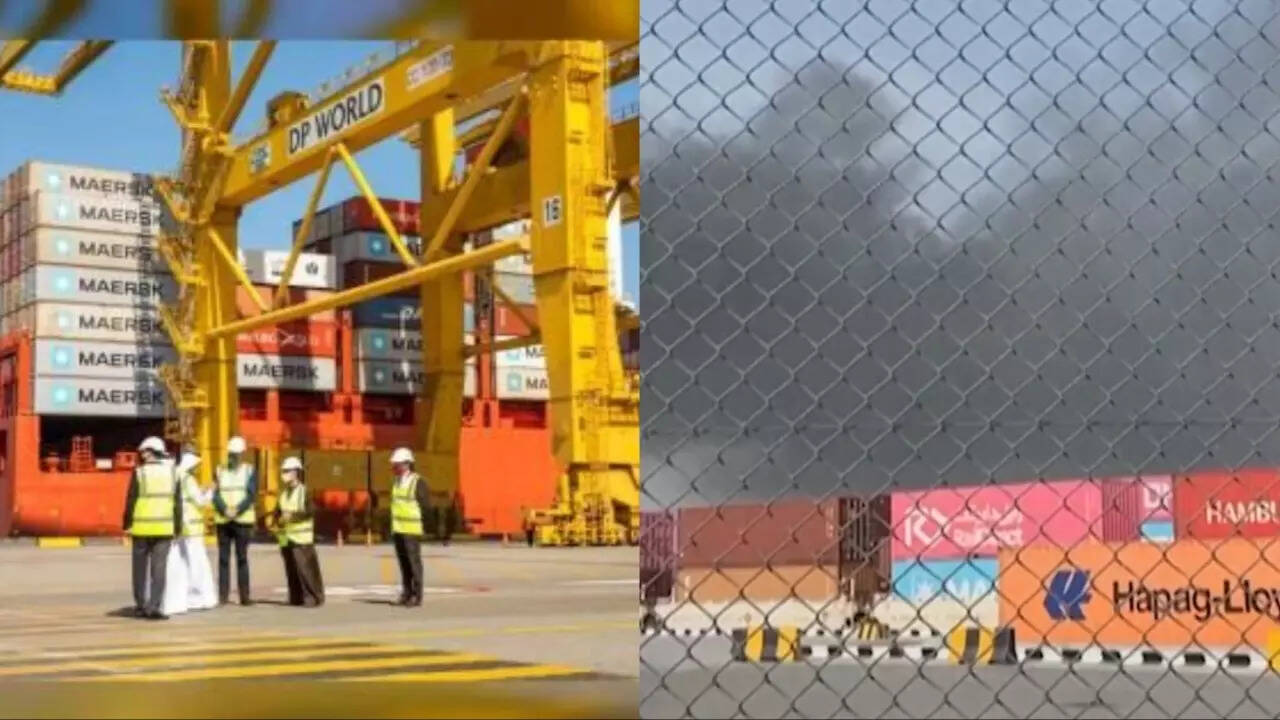
The spearhead of this crisis struck at the heart of UAE commerce: Jebel Ali Port, the GCC's largest container facility operated by DP World. Reports emerged on March 1 confirming a temporary shutdown following suspected strikes amid the Iran-US-Israel war. DP World's statement acknowledged a "brief suspension for security assessments," with operations halting for several hours. Eyewitnesses reported smoke plumes and diverted vessels, disrupting key routes from Asia to Europe.
Global trade routes face immediate strain. Jebel Ali handles 13% of container traffic through the Persian Gulf, linking to 180 destinations. A prolonged closure could add weeks to supply chains, echoing the 2021 Suez Canal blockage's $9 billion daily cost. Analysts estimate even a 24-hour halt costs $100 million in lost throughput.
Dubai's tourism sector, already rebounding to 17 million visitors in 2025, braces for fallout. Flight diversions and travel advisories from the US and UK have spiked cancellations. Hotels report 20-30% drop-offs, per industry sources, as images of port chaos flood social media. Luxury brands in Dubai Mall and Atlantis resorts—pillars of the emirate's 12% GDP from tourism—face revenue hits, compounded by insurance hikes.
Economic Ramifications: A Fragile Recovery
The UAE's post-COVID miracle—7.9% GDP growth in 2025, driven by diversification into tech and renewables—now confronts existential threats. Oil, still 30% of GDP, remains stable, but non-oil sectors vulnerable to conflict dominate the risk profile.
Shipping bears the brunt: UAE ports moved 22 million TEUs in 2025, but Hormuz Strait tensions could reroute 20% of global oil via costlier paths, inflating premiums by 50%. Foreign direct investment (FDI), at $23 billion last year, wavers as investors eye safer havens like Singapore.
Tourism, contributing AED 178 billion ($48.5 billion) annually, risks a 15-25% contraction if tensions persist, per Oxford Economics models. Retail and real estate, intertwined with visitor spending, could see property values dip 10% in Dubai. Broader ripple effects include stock plunges: DP World shares fell 4% on March 1, dragging the ADX index down 2.1%.
Yet, UAE reserves—$150 billion in sovereign funds—offer a buffer. Swift fiscal stimuli, like 2020's tourism vouchers, could mitigate, but prolonged instability erodes investor confidence.
Regional Relations: Alliances and Tensions
The UAE treads a diplomatic tightrope. Ties with Iran, thawed via 2022 China-brokered deals, strain under blasts, yet backchannels persist to avoid full rupture. Concurrently, US security pacts and Israeli intelligence sharing fortify defenses, with recent joint exercises.
GCC unity shines: Saudi-led intercepts on March 1 exemplify coordinated resolve against "regional adversaries." The Peninsula Shield Force stands ready, but internal divergences—Qatar's Iran ties—test cohesion. Emerging BRICS overtures offer hedging, balancing Western reliance.
Looking Ahead: What This Means for the UAE
Over the next 1-3 years, scenarios diverge. Optimistic: De-escalation via US-Iran talks restores Jebel Ali flows, boosting UAE GDP by 5% via trade pacts. Pessimistic: Escalated war diverts 30% of shipping, slashing tourism by 40% and prompting austerity measures.
Continued instability likely shifts UAE policy: deeper GCC security integration, like shared missile shields, and economic pivots to Africa and India. Collaborations—e.g., Saudi-UAE rail links bypassing Hormuz—enhance resilience. Foreign policy may tilt neutral, wooing China for mediation.
Conclusion: Resilience in Uncertain Times
The UAE stands at a crossroads, its economic vibrancy tested by geopolitical fires. Jebel Ali's brush with chaos and tourism tremors highlight vulnerabilities, yet strategic depth—diversified economy, alliances—positions it for rebound. Adaptive strategies, from cyber-hardened ports to diversified tourism (e.g., wellness hubs), are imperative. As Gulf skies clear, the UAE's resilience will define regional stability.
*(Word count: 1,512)