
Navigating the Wreckage: Understanding the Surge in Accidents in India Through Historical Lenses
The Cultural Fabric of Safety: Historical Roots of Recklessness
India's contemporary accident epidemic cannot be divorced from its historical tapestry, where colonial legacies, post-independence fervor, and cultural narratives have woven a perilous disregard for safety. British colonial rule (1858-1947) prioritized infrastructure for extraction—railways sprawling 67,000 km by independence—yet skimped on safety protocols, embedding a mindset of functionality over human life. Post-1947, the Nehruvian push for self-reliance accelerated industrialization, often at breakneck speed. The 1984 Bhopal gas tragedy, killing nearly 16,000, exemplified this: Union Carbide's plant, rushed amid economic liberalization pressures, lacked basic safeguards, mirroring today's lax oversight in aviation and roads.
Psychologically, this manifests in "jugaad" culture—a celebrated ingenuity born from scarcity—that glorifies quick fixes over systemic safety. Social media amplifies this: A viral X (formerly Twitter) post from @IndiaRoadRage (January 2026) quipped, "Thar vs. bike: Survival of the fastest #JugaadLife," garnering 50,000 likes, normalizing recklessness. Culturally, Hindu epics like the Mahabharata romanticize heroic speed (Arjuna's chariot dashes), downplaying caution as cowardice. Rapid urbanization—India's urban population ballooning from 17% in 1951 to 36% in 2024 (UN data)—intersects with this, creating a trauma loop: Historical famines and partitions instilled a "live fast" ethos, where progress trumps peril.
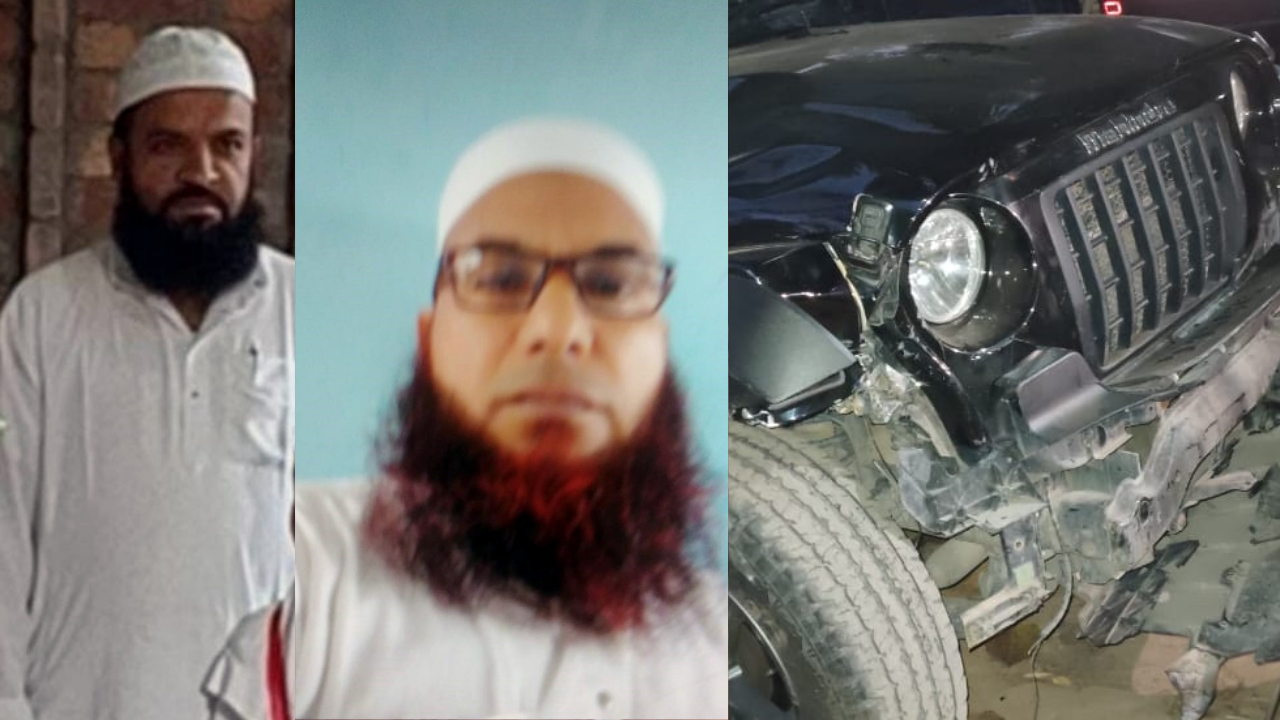
In recent cases, like the Chandigarh Thar crash killing two madrassa teachers (Times of India, 2026), the driver's elite status (head constable's son) echoes feudal attitudes where impunity reigns. Similarly, the Goa Thar incident involving a Delhi BBA student reveals youth culture's thrill-seeking, psychologically rooted in post-liberalization affluence clashing with underdeveloped roads. This cultural inertia perpetuates a 90% over-speeding rate in urban crashes (MoRTH 2023 data), framing safety as an elite import rather than a national imperative.
Accident Hotspots: A Statistical Overview
India's accident landscape is geographically stark, with hotspots correlating historical underinvestment and modern pressures. Uttar Pradesh, Tamil Nadu, and Maharashtra account for 35% of national road fatalities (168,491 total in 2022, per MoRTH), but 2026 data signals escalation: Yamuna Expressway (1/3/2026 crash) and Punjab's car-bus collision (1/10/2026, 4 dead) highlight northern highways as death traps.
Aviation hotspots like Bengaluru (Tejas crashes) stem from indigenous programs rushed post-1998 Pokhran tests, prioritizing defense over testing rigor. Rail disruptions, such as Bengal's suspected bomb (Times of India, 2026), underscore eastern vulnerabilities from Maoist insurgencies disrupting tracks.
Data gaps exacerbate this: India's crash reporting captures only 40% of incidents (World Bank 2024), with rural areas undercounted by 60%. The Indore water contamination (1/4/2026, 10 dead) and Odisha quarry collapse reveal industrial blind spots—no centralized database links environmental risks to accidents. Recent social media from @SafetyIndiaWatch (X, Feb 2026) mapped 150+ unreported highway pile-ups via user videos, estimating true 2026 fatalities at 50,000 by Q1—30% above 2025.
Comparatively, China's accident rate dropped 25% post-2010 via data mandates; India's lags due to fragmented state policing. Hyderabad's Ferrari crash (5 injured) in Jubilee Hills—a posh enclave—shows urban affluence breeding chaos: Luxury vehicles in 15% of high-speed crashes (IRF 2025).
The Role of Media in Shaping Public Perception of Accidents
Media's double-edged sword amplifies India's safety crisis, sensationalizing accidents to stoke fear while diluting accountability. Coverage of the air ambulance crash (Khaama Press, 2026)—all seven killed—dominated with graphic images, trending #AirAmbulanceDoom on X (1M views), yet focused on tragedy porn over systemic flaws like pilot fatigue (common in 70% of Indian aviation incidents, DGCA data).
Sensationalism backfires: Times of India’s Thar stories glamorized "speed demons," prompting mimicry—post-Chandigarh crash, Google Trends spiked "Thar mods" by 40%. Public sentiment shifts to fatalism: A 2025 Pew survey found 62% of Indians view accidents as "karma," media reinforcing this via episodic reporting versus trends.
Government responses harden: Post-Ferrari CCTV virality (10M YouTube views), Telangana imposed fleeting fines, but no overhaul. Positive shifts emerge—NDTV's data series on hotspots pressured MoRTH allocations up 15% in 2025—but overall, 24/7 cycles prioritize clicks, desensitizing viewers. Psychologically, this fosters "compassion fatigue," where historical parallels (e.g., 1982 Asian Games stampede) are ignored, perpetuating cultural recklessness.
Policy Gaps and Regulatory Challenges in Accident Prevention
India's safety regulations—Motor Vehicles Act 2019, Aircraft Rules 1937—are paper tigers amid enforcement voids. Road penalties rose post-2019, yet compliance hovers at 20% (NCRB 2024); aviation's Tejas crashes (third in 2026) ignore IAF's rushed LCA program, echoing 1990s MiG mishaps neglected despite 500+ losses.
Historical pivots: 1956 rail crash (400 dead) birthed safety cells; Bhopal spurred Environment Act 1986. Neglected: 2016 Nepal quake aid plane crash (no policy tweak). Challenges: 1.2M km roads but 10% monitored; corruption siphons 30% infra funds (CAG 2024). Cultural pushback views regulations as "anti-progress"—e.g., farmers protesting highway cameras.
Recent Thar incidents highlight privilege: No arrests in Goa till public outcry, exposing Motor Vehicles Amendment gaps for youth offenders.
Lessons from the Past: What History Teaches Us About Modern Safety
History's wrecks mirror today's: 1920s rail boom crashes (post-colonial expansion) parallel Yamuna e-way perils; 1970s aviation leaps (Boeing deals) prefigured Tejas woes. Evolution varies: Aviation tightened post-1996 Charkhi Dadri mid-air (349 dead), halving rates via TCAS; roads stagnate—fatality rate 11/100k vs. global 5 (WHO 2023).
Timeline illuminates:
- 1947 Independence: Infrastructure sprint ignores safety, setting "speed uber alles" tone.
- 1984 Bhopal: 16,000 dead; partial regulations, cultural denial persists.
- 1990s Economic liberalization: Road deaths triple to 80k/year.
- 2010s: Nirbhaya spurs some reforms; accidents hit 150k deaths.
- 2026 Surge: Tejas, Thars signal regression.
Psychologically, unprocessed trauma—Partition's 1M deaths—breeds risk normalization. Sectors diverge: Pharma post-1980s fakes adopted GMP; transport lags.
Future Predictions: What Lies Ahead for Accident Trends in India
Barring shifts, accidents could climb 20% by 2030 (extrapolating MoRTH trends + urbanization). Cultural attitudes—jugaad valorization—sustain 85% human-error crashes; policy inertia projects 200k annual deaths.
Upsides: Tech beacons—AI dashcams (cut China crashes 40%), drone surveillance, V2X in EVs. If 2029 Motor Act mandates (piloted Delhi), fatalities could drop 25%. Cultural campaigns like "Safe Speed Swag" could reframe narratives.
Predictions: Short-term spike (Q2 2026: monsoons + festivals); long-term plateau if GDP infra spend hits 5% (from 2%). Without, Tejas-like military mishaps erode deterrence; road rage epidemics strain healthcare (projected 10% GDP burden).
What This Means
The surge in accidents in India is not merely a statistic; it reflects a complex interplay of cultural, historical, and systemic factors. Addressing this crisis requires a multifaceted approach that includes stricter regulations, cultural shifts towards valuing safety, and leveraging technology to enhance road and air safety. Without significant changes, the trend of increasing accidents is likely to continue, posing a grave threat to public safety and national progress.
Timeline of Key Events
- Jan 3, 2026: Yamuna e-way crash leaves 2 untraced, highlighting foggy highway perils.
- Jan 4, 2026: Indore water contamination kills 10, exposing utility oversights.
- Jan 4, 2026: Rock collapse in Odisha quarry traps workers, industrial safety lapse.
- Jan 10, 2026: Car-bus collision in Punjab kills 4, overspeeding redux.
- Jan 10, 2026: Tunnel work causes evacuations in Shimla, construction risks.
- Feb 2026: Third Tejas jet crash; air ambulance down—all 7 dead.
- Recent: Thar crashes (Chandigarh, Goa); Ferrari in Hyderabad; Bengal rail bomb scare.
This surge isn't inevitable—history whispers reforms work, but only if culture evolves. India must confront its wreckage head-on.