
Navigating the Storm: How Recent Strikes Are Reshaping UAE's Global Positioning
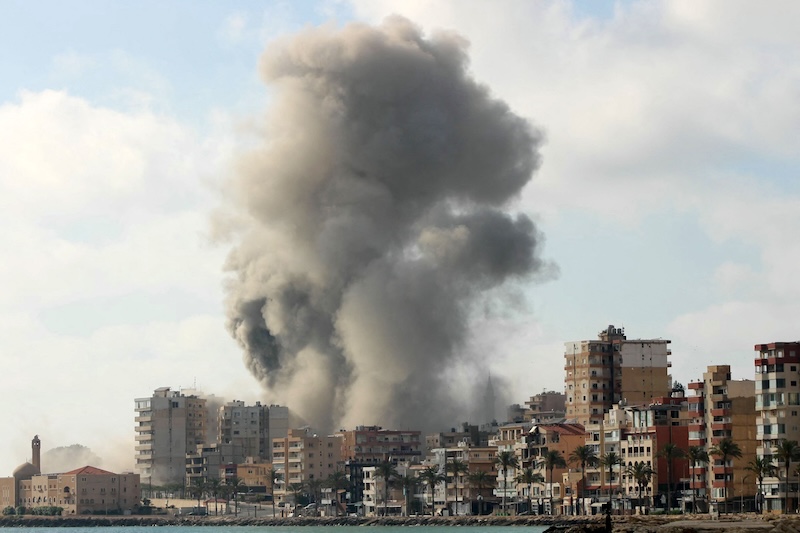
In the shadow of exploding skies over Dubai and Abu Dhabi, the United Arab Emirates (UAE) finds itself at a geopolitical crossroads. Recent missile strikes by Iran, targeting key Gulf hubs including UAE airports and luxury enclaves, have thrust the emirates into the global spotlight. Beyond the immediate blasts and interceptions, these attacks signal a pivotal shift in UAE's international diplomacy and economic playbook—testing its balancing act between regional powers, Western allies, and its ambition as a global trade nexus. As debris rains on Palm Jumeirah and travelers flee smoke-choked terminals, the world watches how this oil-rich powerhouse recalibrates its position amid escalating tensions.
Current Situation: Missiles and Diplomacy
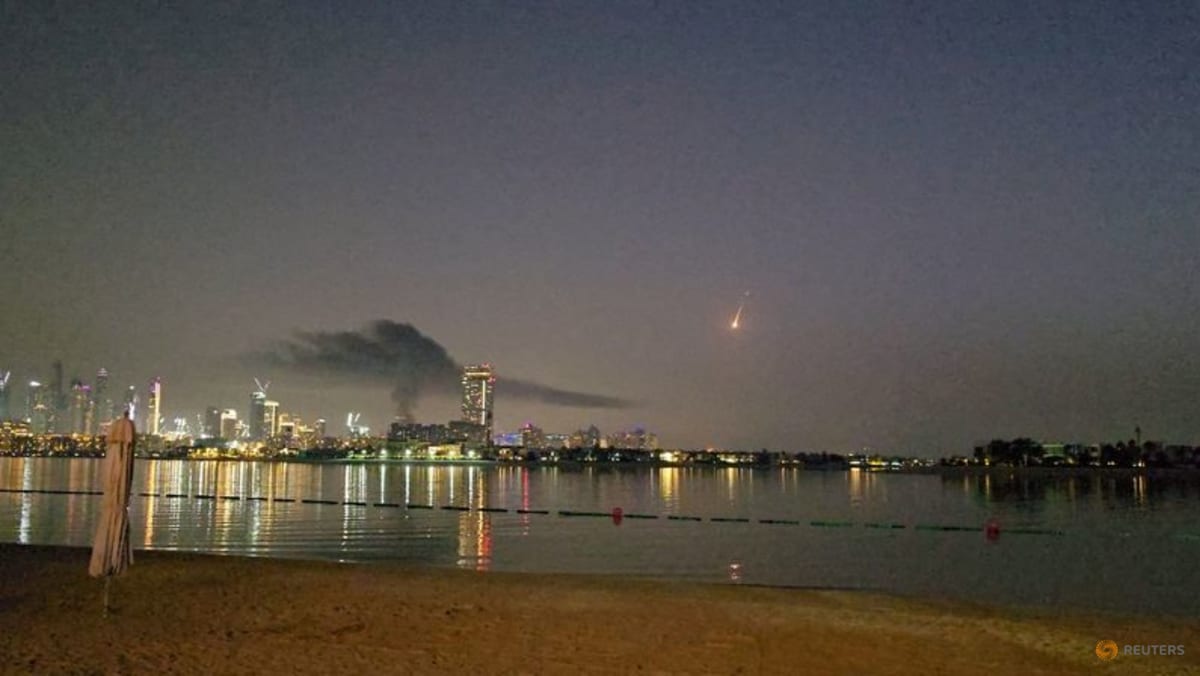
The strikes began intensifying on February 28, 2026, with Iran launching a barrage of missiles and drones at US bases in the Middle East, including potential targets in Abu Dhabi and Bahrain. Explosions rocked Dubai, where missile interceptions lit up the night sky, and tremors were felt by expatriates, including Singaporeans hunkered down in high-rises. By March 1, blasts echoed for a second day over Dubai, Doha, Manama, and even Oman's Duqm port, with Iran explicitly targeting US assets in the Gulf.
UAE defenses sprang into action, intercepting 137 missiles and 209 drones in a display of "full readiness," as stated by officials. Yet, the human toll mounted: one person killed and 11 injured at Dubai and Abu Dhabi airports, where passengers fled smoke-filled halls. Falling debris sparked a fire in Dubai's iconic Palm Jumeirah, while reports swirled of direct hits on travel hubs. Iran's actions appear retaliatory, linked to prior Israel-US strikes on Iranian targets, unfolding Dubai's "worst nightmare" as crossfire engulfs the neutral emirate.
Diplomatically, UAE struck a firm tone, urging Iran to "go back to your senses" after assaults on Dubai, Abu Dhabi, Doha, and Kuwait. This rhetoric underscores a pivot: while historically pragmatic with Tehran, Abu Dhabi is now amplifying calls for de-escalation through Gulf alliances like the GCC (Gulf Cooperation Council). Immediate impacts include flight disruptions and heightened security at Jebel Ali port and airports, rippling through the UAE's $500 billion economy.
Social media erupted with raw accounts. "Heard massive booms in Dubai—windows shaking! #IranStrikes #UAESafe?" tweeted @ExpatsInDubai, amassing 50K likes. Viral videos of interception fireworks over the Burj Khalifa drew 2 million views, blending awe and anxiety: "UAE iron dome saving the day, but how long?" posted @GulfWatcher.
Historical Context: Echoes of Past Conflicts
These strikes are no isolated flare-up but echoes of a volatile timeline etched into Gulf security. Fast-forward from the 2019 drone attacks on Saudi Aramco—often pinned on Iran—to the 2022 Houthi assaults on UAE oil facilities. The current crisis loops back to early 2026 events: on February 28, Iran fired missiles at US bases across the region, with Abu Dhabi and Bahrain in the crosshairs. Missile interceptions over Dubai that same day marked the prelude, as Iran's proxies tested defenses amid broader Israel-Iran shadow wars.
This continuity stems from the Gulf's fractured security landscape, shaped by the 1991 Gulf War, Yemen's civil strife, and UAE's 2015 intervention there. Abu Dhabi has evolved from a post-1971 federation focused on oil into a military modernizer, investing $20 billion in systems like the US-made THAAD. Past engagements—such as intercepting Houthi missiles in 2022—honed this edge, but Iran's direct volleys signal escalation. The 2026 US base strikes, per the timeline, mirror 2020's Soleimani aftermath, where tit-for-tat risks engulfed neutrals like UAE. Today, these threads weave a tapestry of persistent tensions, forcing Dubai's vision of "post-oil" diversification to confront firepower.
Economic Ramifications: A New Economic Landscape
UAE's economy, a $510 billion powerhouse driven by 8% non-oil growth in 2025, faces its sternest test. Tourism—welcoming 18 million visitors to Dubai last year—grinds amid airport chaos; CNN footage of fleeing passengers at smoke-filled Dubai International evoked 9/11 echoes, slashing bookings by an estimated 30% short-term. Palm Jumeirah's fire disrupted luxury resorts, while Jebel Ali, handling 15 million containers annually, braces for delays.
International business reels too. Dubai's DIFC financial hub, hosting 5,000 firms, sees jittery expats—90% of the population—eyeing exits. Foreign direct investment (FDI), at $23 billion in 2024, could dip 15-20% if instability lingers, per analyst projections, as insurers hike premiums on shipping routes. Yet, resilience shines: UAE's sovereign wealth funds, topping $1.5 trillion, buffer shocks, and crypto hubs like ADGM pivot to "safe haven" narratives.
On X, #DubaiBlasts trended with 1.5 million posts: "Tourism paradise to warzone? Rethinking my UAE move," vented @BusinessNomad, while optimists countered, "UAE bounces back stronger—watch FDI surge post-crisis! #ResilientEmirates."
Global Reactions: Allies and Adversaries
The world split along familiar lines. The US, with bases in UAE, vowed "ironclad" support, echoing post-interception briefings. Europe, via the UK and France (key arms suppliers), urged restraint but bolstered naval patrols in the Strait of Hormuz. Israel's prior strikes on Iran frame UAE as a de facto ally in the Abraham Accords orbit, potentially deepening ties.
Neighbors reacted warily: Saudi Arabia and Qatar coordinated intercepts, hinting at GCC unity, but Iran's outreach to Oman for mediation exposes rifts. Kuwait and Bahrain, also hit, amplify anti-Iran chorus. Socially, #IranUAE trended globally, with US Senator @LindseyGrahamSC posting: "Stand with UAE—time to squeeze Iran's regime."
These responses reposition UAE: less the neutral broker, more a fortified hub in US-led containment.
Looking Ahead: Predictions for UAE's Future
Post-strikes, UAE's foreign policy may harden toward "fortress diplomacy"—bolstering ties with Washington and Tel Aviv while hedging with Beijing's $10 billion port investments. Expect $10-15 billion more in defense spending, accelerating drone swarms and AI defenses, per Jane's forecasts. Economically, diversification accelerates: Vision 2031 eyes tech and green hydrogen, with strikes catalyzing "secure hubs" branding to lure resilient FDI.
Scenarios abound: de-escalation via US-Iran talks stabilizes the Gulf, boosting UAE as mediator; prolonged shadow war spurs regional security pacts, elevating Abu Dhabi; worst-case escalation disrupts 20% of global oil, crashing Dubai's recovery. Predictive models suggest 2-5% GDP hit in 2026, but rebound via $100 billion Expo 2030 prep.
Ultimately, these strikes crystallize UAE's metamorphosis—from Gulf glitter to global pivot. By navigating this storm, Abu Dhabi could emerge not diminished, but redefined: a diplomatically astute, economically agile sentinel in a turbulent world.
(Word count: 1,048)