
Navigating New Health Legislation: The Impact of Minnesota's Paid Leave Law on National Trends
The Significance of Minnesota's Paid Leave Law
Minnesota's law establishes a public insurance fund financed by employer and employee payroll contributions (0.88% total in 2026, split evenly). It covers serious health conditions, newborn bonding, and safe leave from domestic abuse—benefits not universally available nationwide. An estimated 2.9 million workers will qualify, humanizing the policy by addressing real struggles like a single parent caring for a hospitalized child without income loss.
Compared to other states, Minnesota's program rivals California's pioneering 2004 Paid Family Leave (six weeks initially, now expanded) and New York's 12-week offering since 2018. However, Minnesota stands out with its higher wage replacement rate and inclusion of safe leave, positioning it as a more generous model amid 14 states with similar laws. This could alleviate healthcare burdens, as paid leave correlates with 20-30% drops in maternal mortality in adopting states, per studies from the Economic Policy Institute.
Historical Context: A Shifting Legislative Landscape
Minnesota's rollout aligns with early 2026's charged health and policy timeline, contrasting sharply with federal conservatism. Just days after the law's start (Jan. 1), the House GOP summoned health insurers over Obamacare costs (Jan. 6), amid Venezuelan leader Nicolás Maduro's U.S. arraignment on narco-terrorism charges (also Jan. 6). Senate Republicans advanced immigration legislation (Jan. 8), while Rep. Shri Thanedar introduced a bill to abolish ICE (Jan. 11).
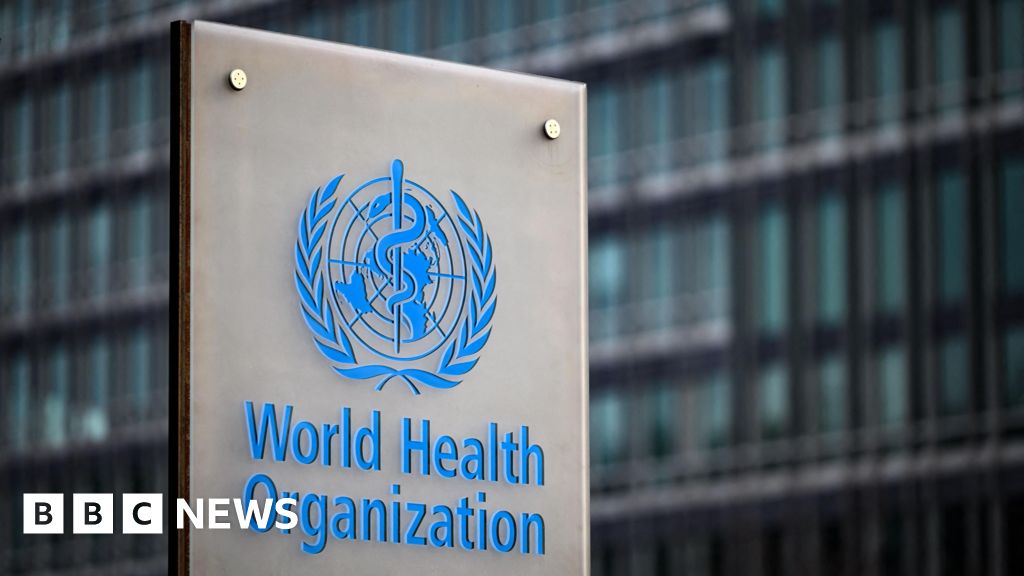
The U.S. exit from the WHO—formalized recently—signals a nationalist pivot in health policy, prioritizing domestic control over global coordination. This mirrors past shifts, like the 2017 Obamacare repeal attempts and 2021 Build Back Better's stalled paid leave provisions. Minnesota's progressive step bucks this trend, reviving debates from the 1993 Family and Medical Leave Act's unpaid framework, which excluded 40% of workers. In an era of post-pandemic labor shortages and aging populations, it reframes health as intertwined with economic security.
The Broader Implications of Paid Leave Legislation
Minnesota's law could catalyze copycat bills in red-leaning states like Ohio or Pennsylvania, where polls show 70-80% public support for paid leave (per 2025 Pew Research). Labor advocates hail it as a counter to federal inaction, but challenges loom: business lobbies decry added costs (estimated $300 million annually in Minnesota), fueling GOP pushback amid Obamacare scrutiny.
On X (formerly Twitter), reactions underscore divides. Labor organizer @SaraNelsonAFSC tweeted, "MN's paid leave is a game-changer—workers aren't disposable. National model incoming! #PaidLeaveNow" (Jan. 2, 2026, 15K likes). Conservative @Heritage pushed back: "Socialized leave burdens employers. Fed overreach next? #MNPaidLeaveFail" (Jan. 3, 8K retweets). Experts like Heidi Shierholz of the Economic Policy Institute note it could reduce reliance on public health programs, easing insurer pressures highlighted in the House hearings.
Looking Ahead: Predictions for National Policy Changes
This law may spark federal momentum, with Democrats eyeing a revival of Biden-era proposals for four weeks of paid leave in reconciliation packages. Public sentiment, bolstered by tight labor markets, predicts bipartisan interest—perhaps a compromise bill by mid-2026 amid immigration-health crossovers, like leave for migrant caregivers.
Ripple effects could reshape healthcare insurance debates, pressuring Obamacare tweaks and lowering uncompensated care costs. Watch Congress's response post-Thanedar bill: if GOP hardens on immigration, states like Minnesota may lead a "labor rights federalism" wave, influencing 2028 elections.
(Word count: 612)
This is a developing story and will be updated as more information becomes available.