Myanmar Junta Grants Amnesty to Over 6,000 Prisoners Amid Controversial Election

Latest from X
Myanmar Junta Grants Amnesty to Over 6,000 Prisoners Amid Controversial Election
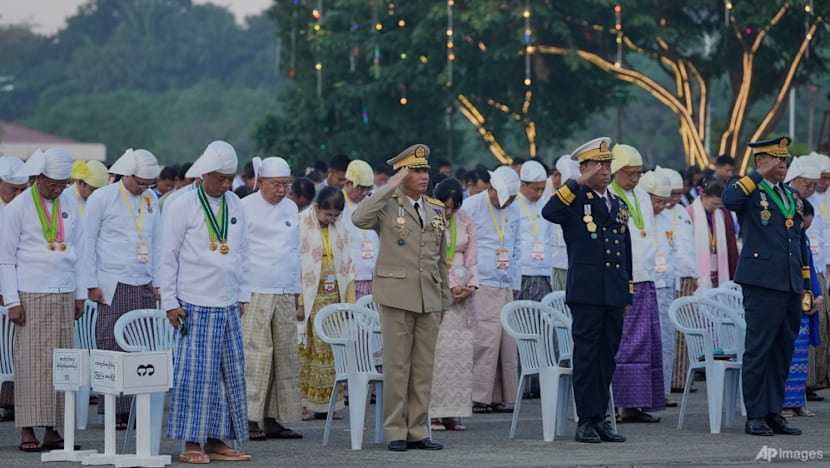
Yangon, Myanmar - On January 4, 2026, Myanmar's military junta marked the country's 78th Independence Day by releasing over 6,000 prisoners in a large-scale amnesty. The move, announced by the National Defence and Security Council, comes just a week after the start of a multi-stage general election that has been widely criticized as a sham by opposition groups and international observers. While the amnesty includes both Myanmar nationals and foreign detainees, there is no indication that high-profile political prisoners, such as ousted leader Aung San Suu Kyi, are among those freed.
According to state media reports, junta chief Min Aung Hlaing pardoned a total of 6,134 Myanmar nationals. In a separate announcement, authorities confirmed that 52 foreign prisoners would also be released and deported to their home countries. The timing of the amnesty, coinciding with Independence Day celebrations, follows a long-standing tradition in Myanmar of granting clemency on significant national occasions. However, the context of this year’s release has drawn scrutiny due to the ongoing political turmoil and the recent election process.
The junta-run election, which began on December 28, 2025, has been condemned as an attempt to legitimize military rule following the February 2021 coup that overthrew the democratically elected government of Aung San Suu Kyi’s National League for Democracy (NLD). Critics argue that the multi-stage voting process is designed to maintain the military’s grip on power while presenting a facade of democratic reform. Low voter turnout and reports of intimidation have further undermined the credibility of the election, with opposition groups and armed resistance movements rejecting the process outright.
Details about the identities of those released in the amnesty remain limited. While the military government has not specified whether political detainees are included, past amnesties have often excluded prominent dissidents. Aung San Suu Kyi, who has been detained since the 2021 coup and faces numerous charges widely seen as politically motivated, was not mentioned in connection with the releases. Thousands of others arrested for opposing military rule are believed to remain in custody, with human rights organizations estimating that over 20,000 political prisoners have been detained since the coup.
Background: Myanmar’s Ongoing Crisis
Myanmar has been mired in conflict and instability since the military seized power nearly five years ago. The coup sparked widespread protests, which were met with brutal crackdowns by security forces. This violence gave rise to armed resistance movements across the country, plunging Myanmar into a civil war that has displaced millions and devastated the economy. The junta’s control remains contested in many regions, with ethnic armed organizations and People’s Defense Forces (PDFs) challenging military authority.
Internationally, Myanmar’s military regime faces isolation, with sanctions imposed by Western nations and criticism from regional bodies like the Association of Southeast Asian Nations (ASEAN). Despite these pressures, the junta has pushed forward with its political roadmap, including the 2025-2026 election cycle, which it claims will restore stability. However, analysts suggest that such measures are unlikely to resolve the deep-seated grievances fueling the conflict.
Public and International Reaction
Posts on social media platform X reflect a mix of skepticism and cautious hope regarding the amnesty. Verified accounts from news outlets such as TRT World and The Hindu reported on the release of over 6,000 prisoners, highlighting the timing amid election criticism. Others noted the lack of clarity on whether political prisoners were included, with some users questioning the junta’s motives and framing the amnesty as a public relations gesture rather than a genuine step toward reconciliation.
Human rights groups have echoed these concerns, calling for transparency about the identities of those released and urging the junta to free all political detainees. International observers, meanwhile, continue to monitor the situation, with many viewing the amnesty against the backdrop of the junta’s broader strategy to deflect criticism during the election period.
Outlook: A Nation at a Crossroads
As Myanmar navigates this latest chapter of its tumultuous political journey, the prisoner amnesty offers a glimpse of the junta’s attempt to project leniency at a time of intense scrutiny. Yet, without meaningful reforms or the release of key political figures, the gesture risks being seen as hollow by both domestic and international audiences. The ongoing election process, set to continue in stages over the coming weeks, will likely remain a flashpoint for tensions, with the military’s actions under close watch.
For now, the fate of Myanmar’s political prisoners and the broader struggle for democracy hang in the balance, as the country marks its independence amid a backdrop of division and unrest.
Track this story live
Live World Map
Monitor global events in real time with a live activity map and hotspot summaries.
Markets
Connect live events to Catalyst market signals across crypto, commodities, indices, and forex.
Geopolitical Risk
Live geopolitical risk index tracking conflict zones, sanctions, and global threat levels.
Original Sources
- •Myanmar junta frees hundreds of prisoners in annual amnesty— Channel News Asia
- •
Editorial process: This article was synthesized from the original sources cited above using The World Now's AI editorial system, with byline accountability from our editorial team. We grade every story for source grounding, factual coherence, and on-topic match before publication. Read more about our editorial standards and contributors. Spot something inaccurate? Let us know.
Last updated: June 12, 2026