
Myanmar Faces Intensified Conflict Amidst Controversial Elections
As Myanmar approaches the end of 2025, the country finds itself in a precarious situation with ongoing civil war reverberating throughout the nation, particularly as the military junta has announced plans to hold elections. These elections, viewed by many as illegitimate amid the backdrop of conflict and political repression, are set against the turmoil that has engulfed Myanmar since the military coup in February 2021.
The military government's decision to proceed with elections on December 31, 2025, has drawn significant criticism from various opposition groups and international observers. Many view this move as a tactic to legitimize the junta's rule while ignoring the ongoing resistance from ethnic armed groups and pro-democracy forces across the country. The civil conflict has escalated since the coup, with the military facing fierce opposition from numerous factions that are demanding a return to democracy and the release of detained leaders, including Aung San Suu Kyi.
Despite the junta's claims of restoring stability, the reality on the ground tells a different story. Reports indicate that various regions of Myanmar are experiencing heightened violence, with clashes between military forces and resistance groups becoming increasingly common. The humanitarian situation has also worsened, with thousands of civilians displaced and in urgent need of assistance.
The United Nations and numerous human rights organizations have condemned the junta's approach to governance and the conduct of the elections. Critics argue that the elections are not only a diversion from addressing the ongoing conflict but also a violation of the will of the people, who overwhelmingly rejected military rule during the protests that erupted following the coup.
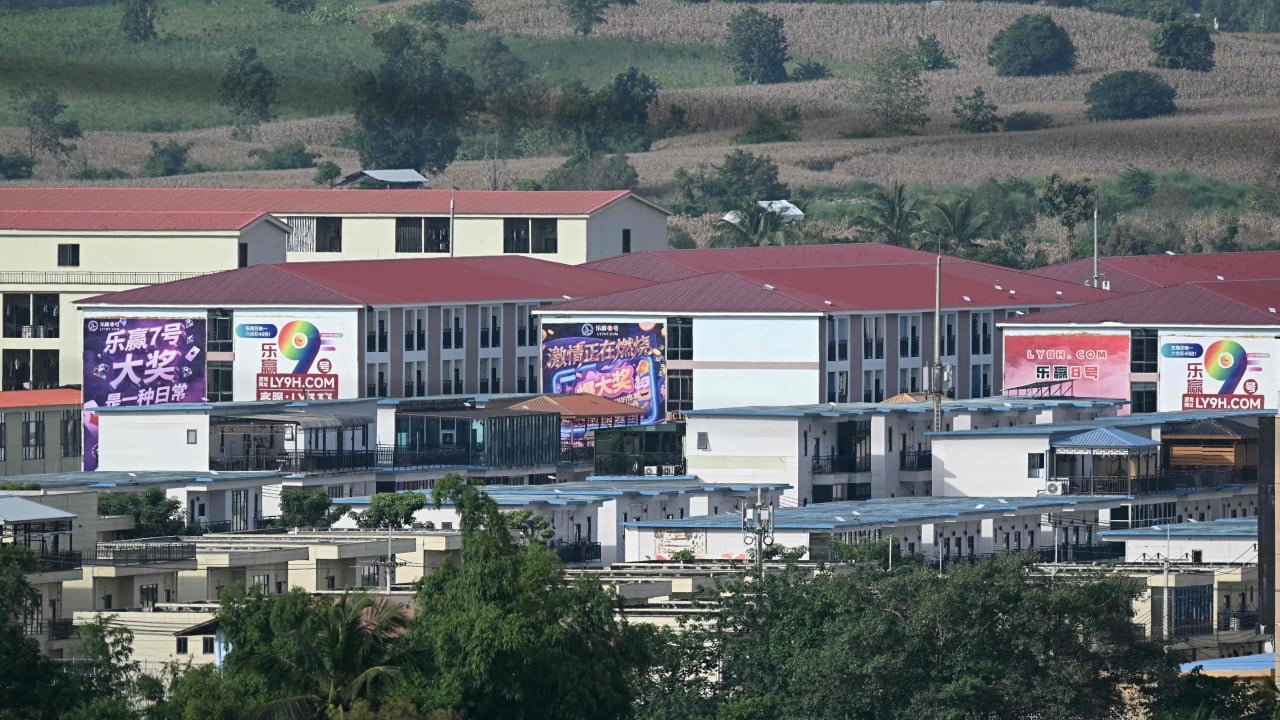
Additionally, the civil war has fostered a rise in criminal activities, particularly in areas where the military has lost control. A notable consequence has been the proliferation of scam operations across the country, often linked to organized crime syndicates. According to reports, these scams have turned Myanmar into a hub for fraudulent online activities, siphoning off billions from global victims each year. These operations, which often run from fortified compounds, have attracted the attention of international law enforcement and have resulted in multiple joint operations to curb their spread.
While the junta may be attempting to assert its authority through these elections, the reality is that significant portions of the population remain in opposition. Ethnic groups, many of whom have longstanding grievances against the central government, continue to engage in armed resistance. The ongoing violence not only undermines the legitimacy of the elections but also raises concerns about the future stability of the nation.
As Myanmar enters 2026, the prospect of a peaceful resolution to the conflict remains uncertain. The elections, rather than serving as a pathway to reconciliation, may further entrench divisions and prolong the suffering of the Myanmar people. With the international community closely monitoring the situation, the coming months will be critical in determining Myanmar's future trajectory as it grapples with the dual challenges of civil war and the quest for legitimate governance.






