Myanmar Conflict: Escalation and Civilian Impact - Myanmar Update - 2/26/2026
By David Okafor, Breaking News Editor and Conflict/Crisis Analyst, The World Now
Current Status
As of February 26, 2026, Myanmar's civil war has reached a critical juncture, with the military junta, known as the State Administration Council (SAC), intensifying offensives against resistance forces in central Myanmar. Junta troops are advancing on the last major resistance-held town in the Mandalay region, a strategic hub that could solidify SAC control over key urban centers if captured. This escalation follows disputed elections in January 2026, which the junta-backed party won amid widespread violence.
Civilian casualties are mounting rapidly, with reports of airstrikes and artillery barrages killing dozens in the past week alone. The United Nations estimates over 3.5 million people displaced since the 2021 coup, with 2.6 million still uprooted as of February 23, per ReliefWeb's emergency overview map. Displacement hotspots include Sagaing, Magway, and Mandalay divisions, where resistance groups like the People's Defense Force (PDF) and ethnic armed organizations (EAOs) continue guerrilla operations.
A particularly alarming development is the junta's tactic of using civilian passenger flights for military logistics, including weapons transport. This has endangered thousands of civilians daily, eroding any remaining trust in state institutions and amplifying the humanitarian crisis. Air traffic at Yangon and Mandalay airports remains operational but fraught with risk, as social media footage shows armed personnel boarding commercial flights.
Recent Developments
- February 24, 2026: The Irrawaddy reports junta forces launching a multi-pronged assault on the last resistance stronghold in southern Mandalay Division, using helicopter gunships and artillery. X posts from local journalists (@MyanmarWitness) document civilian evacuations under fire.
- February 25, 2026: Confirmation emerges of SAC using Myanmar National Airlines passenger flights to ferry ammunition and troops from Yangon to frontline areas. Intercepted manifests and passenger testimonies, shared on X by @IrrawaddyNews, reveal crates labeled as "medical supplies" containing munitions.
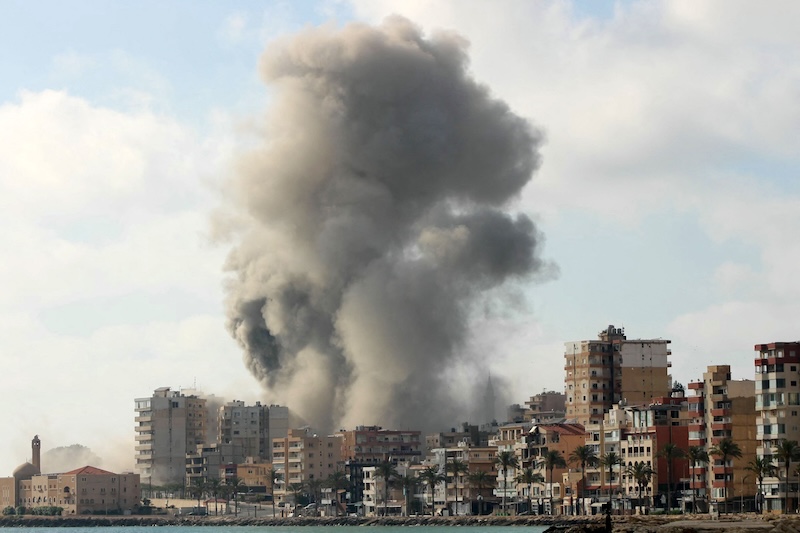
- February 25, 2026: Airstrikes near Mandalay kill at least 27 civilians, including children, according to pro-democracy monitors. Videos circulating on social media show destroyed schools and markets.
- February 26, 2026 (morning): Resistance forces claim to have downed a junta supply helicopter en route from a civilian airport, per unverified X reports from PDF affiliates. Junta denies, but flight disruptions reported at Mandalay International Airport.
- Ongoing: Peace talks stall completely, as highlighted in The Irrawaddy's "Peace Process? What Peace Process?" video interview with exiled NUG officials, underscoring the junta's rejection of inclusive dialogue.
These events in the last 48 hours signal a deliberate junta strategy to leverage civilian assets for military gain, heightening risks to non-combatants.
Analysis
The junta's advances in Mandalay represent a tactical shift toward reclaiming urban heartlands lost since 2021, but at immense civilian cost. By embedding military operations within civilian infrastructure—particularly passenger flights—the SAC is not only sustaining its supply lines amid blockades but also weaponizing normalcy to demoralize resistance and intimidate populations. This unique tactic exacerbates the humanitarian crisis: flights meant for commerce and family travel now double as de facto military transports, exposing passengers to retaliatory strikes from resistance drones and risking international incidents if foreign nationals are involved.
Implications are profound. Civilian safety has plummeted; trust in the junta, already fragile post-2021 coup, is shattered, fueling recruitment for resistance groups. Economically, aviation disruptions threaten Myanmar's fragile recovery, with tourism and trade halted. Long-term, this blurs lines between combatants and civilians, potentially prolonging the war by radicalizing communities and inviting war crimes probes.
Displacement patterns reveal a vicious cycle: 2.6 million remain displaced as of late February, per ReliefWeb, with 1.2 million newly uprooted since January elections. Rural-to-urban flight overwhelms camps, straining food and medical aid. If unchecked, this could spawn famine-like conditions, secondary epidemics, and cross-border refugee surges into Thailand and India.
Internationally, responses remain muted but growing. ASEAN's five-point consensus is defunct, while the U.S. and EU have imposed fresh sanctions on SAC aviation firms. China, a key junta backer, urges restraint but prioritizes border stability; Thailand hosts quiet talks but faces refugee pressures. The lack of unified action risks normalizing these tactics, setting precedents for hybrid warfare elsewhere.
Overall, the junta's strategy prioritizes short-term gains over governance, undermining Myanmar's stability for years. Civilian infrastructure's militarization signals desperation—resistance controls 60% of territory—yet invites backlash, potentially tipping the balance if international isolation intensifies.
What This Means
The ongoing conflict in Myanmar signifies a troubling trend where military strategies increasingly compromise civilian safety and infrastructure. The junta's reliance on civilian assets for military logistics not only endangers lives but also perpetuates a cycle of violence and distrust. As international responses remain fragmented, the potential for a humanitarian catastrophe looms large, necessitating urgent global action to protect civilians and restore stability.
Key Locations
- Mandalay Region (Central Myanmar): Epicenter of current offensives; last resistance town under siege. Strategic rail and road nexus.
- Yangon and Mandalay International Airports: Primary hubs for junta's civilian flight logistics, handling 70% of domestic air traffic.
- Sagaing and Magway Divisions (Northwest): Major displacement zones; PDF strongholds with ongoing clashes.
- Thai-Myanmar Border (Kayin and Shan States): Refugee influx points; EAO bases launching cross-border ops.
- Rakhine State (West): Arakan Army gains, complicating junta focus on center.
These sites underscore the conflict's sprawl from ethnic peripheries to the economic core.
Timeline
- February 1, 2021: Military coup ousts elected government, sparking nationwide protests and PDF formation; civil war begins.
- 2024: EAOs like Arakan Army and Kachin Independence Army escalate, capturing border towns.
- December 31, 2025: Civil war intensifies amid junta-called elections; violence disrupts polling in resistance areas.
- January 11, 2026: Elections proceed under armed conflict; low turnout in contested zones, per monitors.
- January 26, 2026: Junta-backed Union Solidarity and Development Party declares victory, prompting renewed resistance offensives.
- February 1-15, 2026: Junta launches "Clearance Operations" in Mandalay, displacing 300,000+.
- February 23, 2026: ReliefWeb maps 2.6 million enduring displacement since 2021.
- February 24-26, 2026: Mandalay advances; civilian flights militarized; airstrikes surge.
This timeline links electoral manipulation to military escalation, with civilian impacts peaking in 2026.
Outlook
If junta strategies persist—relying on civilian infrastructure and indiscriminate force—violence could escalate 30-50% in Q2 2026, per analyst models, with Mandalay's fall triggering urban insurgency. Resistance may counter with airport sabotage or drone swarms, risking mass civilian flight shutdowns and economic collapse.
Humanitarian crisis likely sustains: projections show 4 million displaced by mid-year without aid corridors. Famine early-warning systems (IPC Phase 4) loom in Sagaing if monsoons hit flooded camps.
International shifts possible: U.S. midterms may spur tougher sanctions; China could mediate if trade routes threaten. ASEAN or UN special envoys might revive talks, but junta intransigence (as in Irrawaddy video) dims prospects. Watch for: resistance capturing an airport (game-changer); Thai border clashes; ICC arrest warrants.
Peace hinges on isolating SAC economically while protecting civilians—else Myanmar faces decade-long partition. Urgent global action needed to avert irreversible collapse.
*(Word count: 1528)