Myanmar Civil War Intensifies as Military Junta Holds Elections Amidst Chaos

Latest from X
Myanmar Civil War Intensifies as Military Junta Holds Elections Amidst Chaos
Myanmar is grappling with escalating conflict and instability as the military junta pushes forward with controversial elections in the midst of a brutal civil war. The elections, which began their first phase in late December 2025 and are set to continue with a second phase on January 11, 2026, are widely criticized as a sham by analysts, opposition groups, and international observers. The ongoing conflict, sparked by the military coup in February 2021, has created a volatile backdrop of violence, displacement, and economic disruption, with new challenges emerging from the country’s notorious scam economy.
The military, which overthrew the democratically elected government of Aung San Suu Kyi’s National League for Democracy (NLD), claims the elections are a step toward restoring stability. However, with the civil war raging across much of the country, the junta’s efforts to project normalcy are undermined by widespread violence and insecurity. According to Al Jazeera, the military has been attempting to reclaim territory lost to ethnic armed organizations and resistance groups, while China exerts pressure for stability in the region. Despite these efforts, reports from ABC News describe a pervasive atmosphere of fear, with the junta’s menacing presence felt everywhere, even as polling stations operate under tight control.
Residents in conflict zones face daily threats, with intensified military deployments reported in areas like Mon State ahead of the second phase of elections. Posts on X highlight growing insecurity and economic hardship in townships such as Ye, where locals struggle under the weight of the junta’s operations. Meanwhile, the elections themselves are marred by allegations of coercion and a lack of genuine choice. The Union Election Commission, controlled by the military, has designated specific constituencies for voting in phases, but critics argue the process is designed to entrench junta rule rather than reflect the will of the people. International condemnation has been swift, with countries including the United States, European Union, and Australia denouncing the elections as neither free nor fair, citing the dissolution of the NLD and other opposition parties.
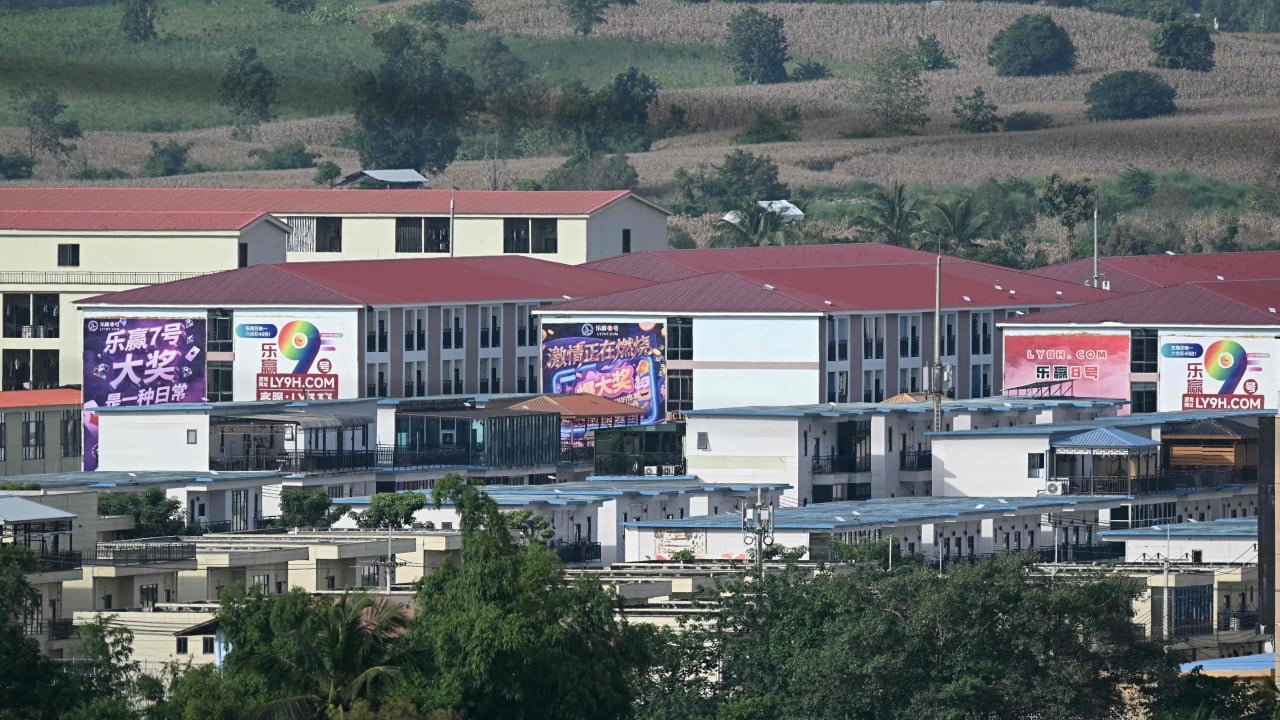
Adding to the complexity of Myanmar’s crisis is the thriving scam economy, which has flourished amid the chaos of the civil war. As detailed by the South China Morning Post, Southeast Asia, and Myanmar in particular, has become a global hub for online scamming operations run by Chinese crime syndicates. These fortified compounds, often located in border regions with lax oversight, generate billions of dollars annually by exploiting victims worldwide. The United Nations has labeled the region “ground zero” for this illicit industry, which has prompted security crackdowns and joint police operations across multiple countries. However, the persistence of these scams underscores the governance vacuum created by the conflict, as the junta struggles to maintain control over its territory.
Background: A Nation in Turmoil
Myanmar’s civil war erupted following the 2021 military coup, which ousted the civilian government after it secured a landslide victory in the 2020 elections. The coup triggered mass protests, which were met with deadly force, and gave rise to a broad resistance movement comprising ethnic armed groups and pro-democracy fighters. Over the past five years, the conflict has displaced millions, devastated the economy, and fractured the country along ethnic and political lines. The junta’s attempts to consolidate power through elections are seen by many as a desperate bid for legitimacy, both domestically and internationally, amid mounting losses on the battlefield.
Outlook: A Long Road Ahead
As Myanmar heads into the next phases of the junta’s staged elections, the prospects for peace and stability remain bleak. Analysts cited by Reuters have described the military’s goal of establishing a stable administration as far-fetched, given the ongoing civil war and the lack of international support for a military-controlled government. Reports on X also reflect widespread skepticism, with many users and observers labeling the elections a facade meant to reinforce the junta’s grip on power. Low voter turnout and continued resistance from armed groups signal that the conflict is far from resolution.
The intertwining of Myanmar’s civil war with issues like the scam economy further complicates the path forward. As long as governance remains weak and borders porous, illicit activities will continue to thrive, fueling instability. For now, the people of Myanmar endure a precarious existence, caught between the violence of war, the oppression of military rule, and the uncertainty of a future dictated by a deeply contested electoral process. The international community watches with concern, but without significant intervention or a shift in the junta’s approach, Myanmar’s crisis shows no signs of abating.
Track this story live
Live World Map
Monitor global events in real time with a live activity map and hotspot summaries.
Global Conflict Map
Follow active conflict zones, strike activity, and emerging geopolitical hotspots.
Current Wars
Track all active wars and armed conflicts happening in the world right now.
Iran War
Track the Iran war in real time with proxy network monitoring, Strait of Hormuz risk, and market impact.
Original Sources
- •How uneven borders fuel Myanmar’s vast and resilient scam economy— South China Morning Post
- •
- •
Editorial process: This article was synthesized from the original sources cited above using The World Now's AI editorial system, with byline accountability from our editorial team. We grade every story for source grounding, factual coherence, and on-topic match before publication. Read more about our editorial standards and contributors. Spot something inaccurate? Let us know.
Last updated: January 19, 2026






