
Multiple Accidents in Northwest Italy Raise Safety Concerns
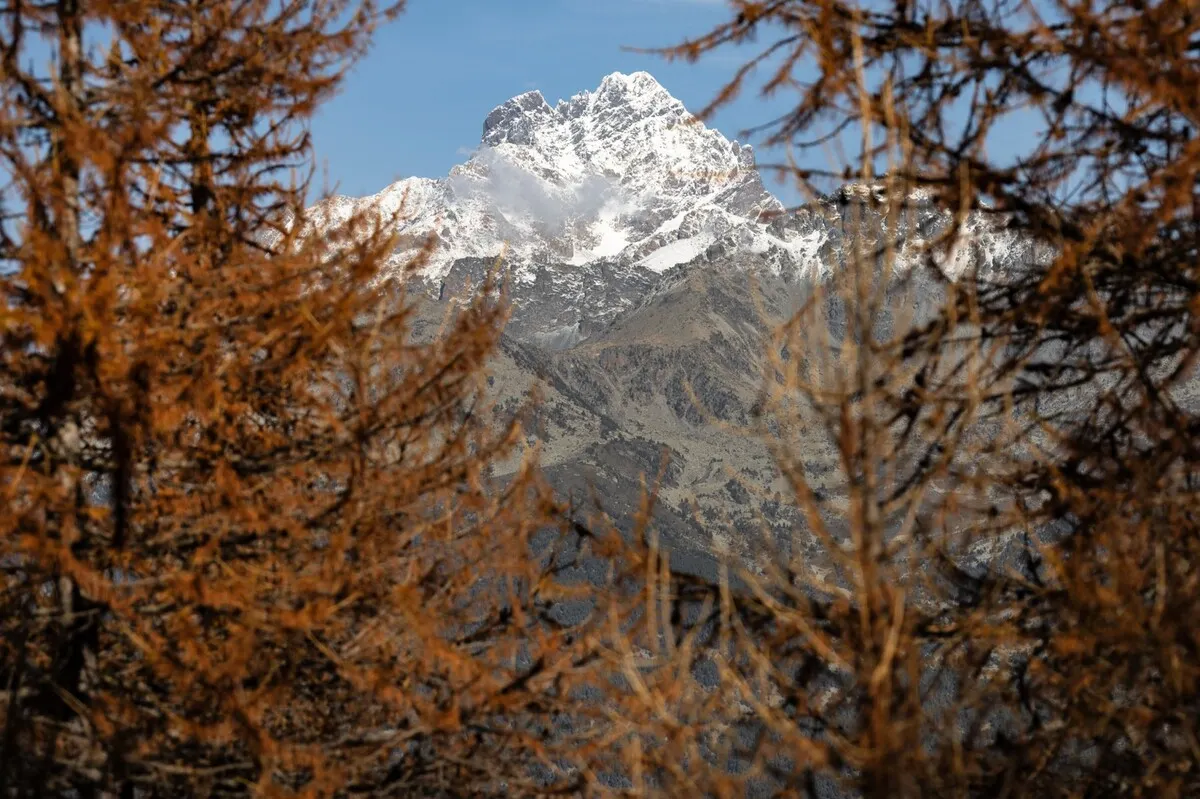
A series of tragic events in northwest Italy has raised alarms about safety in the mountainous regions, as a cable car accident left several individuals injured and around 100 people stranded. This incident follows closely on the heels of three fatalities from avalanches that struck the same region, highlighting the dangers posed by winter sports and mountain activities during this season.
On December 30, 2025, a cable car malfunction occurred, resulting in four injuries and the stranding of approximately 100 passengers atop a mountain. Emergency services were quickly dispatched to the scene, working diligently to ensure the safety of those trapped and to transport them back to safety. Rescue operations faced challenging weather conditions, complicating their efforts to reach those stranded.
The cable car accident coincided with a period of heightened avalanche risk in the region. Just two days later, on January 1, 2026, reports surfaced indicating that three individuals, including a French national and a German woman, lost their lives due to avalanches in the same area. Mountain rescue services described the conditions as perilous, urging both locals and tourists to exercise caution when engaging in winter sports.
The fatalities from the avalanches have amplified concerns over the safety measures in place for winter recreational activities. Authorities are investigating the causes of the cable car malfunction and evaluating existing safety protocols at mountain resorts. Local officials have emphasized the importance of adhering to safety guidelines, particularly in light of the recent weather patterns that have contributed to unstable snow conditions.
The Italian government and regional authorities are under pressure to enhance safety regulations to prevent such accidents in the future. As winter tourism is a critical component of the local economy, ensuring the safety of visitors remains a top priority.
Following the recent accidents, mountain rescue services are expected to increase their patrols and advisories in the region, particularly during peak tourist seasons when the risk of avalanches and other incidents tends to rise. Local ski resorts are also urged to provide updated safety briefings to patrons.
As rescue operations conclude, the focus will shift to recovery efforts and evaluating the overall safety infrastructure in place for winter sports in northwest Italy. The combination of recent tragedies serves as a stark reminder of the inherent risks associated with mountain activities and the need for ongoing vigilance.
In conclusion, the recent cable car accident and avalanche fatalities underscore the continuing challenges faced by both authorities and winter sports enthusiasts in ensuring safety in the mountains. As investigations unfold, the hope is that lessons learned will lead to improved safety measures to protect all who venture into these beautiful yet treacherous landscapes.