
Mount Etna Eruption Raises Concerns Amid Tourist Activity
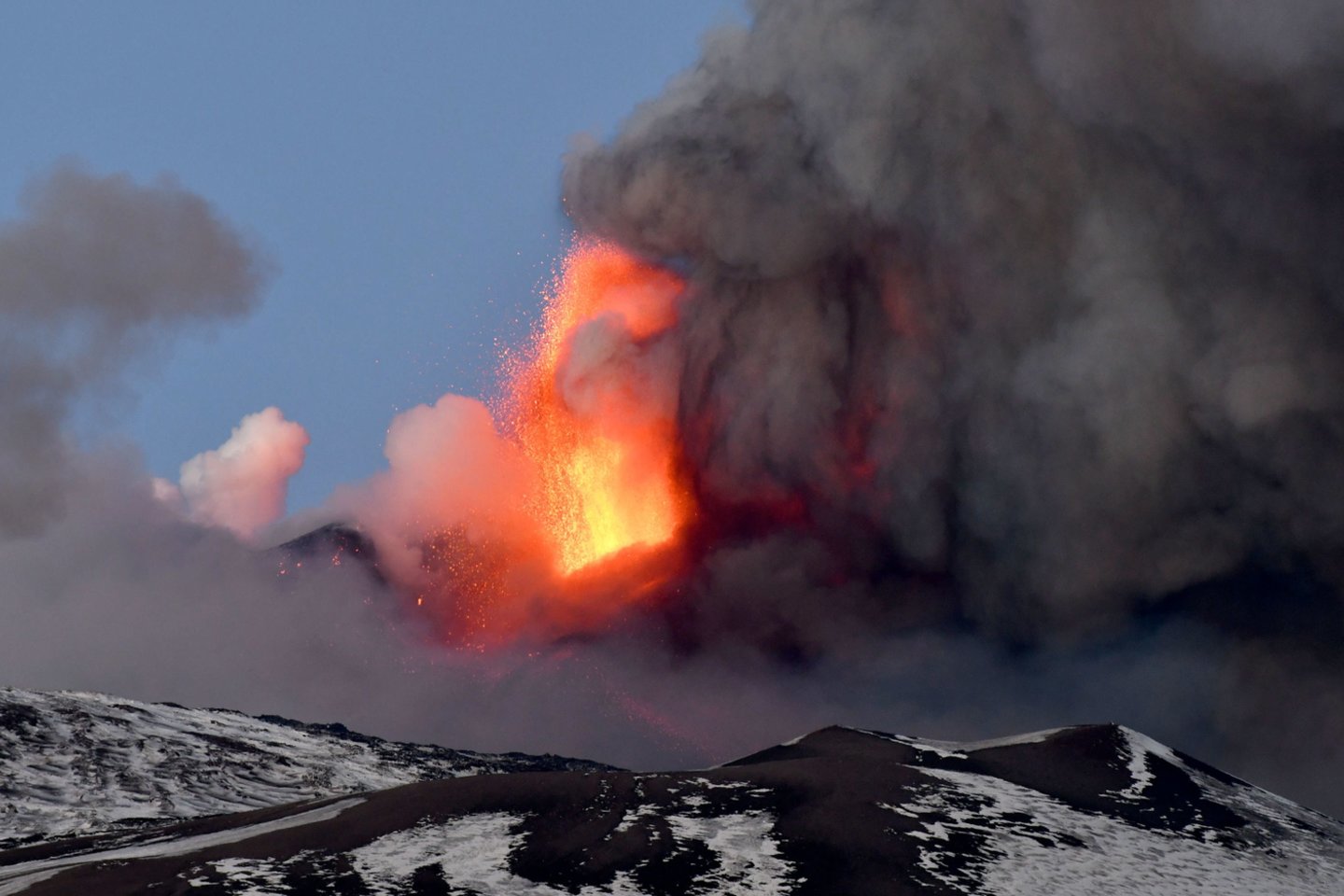
Mount Etna, Europe's largest and most active volcano, has entered a phase of heightened volcanic activity this week, with significant ash emissions reported from its craters. The eruption, which began on December 31, 2025, has raised concerns among local authorities and residents, particularly as skiers continue to frequent the slopes of the popular ski resort located on the mountain.
The eruption has been characterized by continuous ash emissions, with reports indicating that lava flows are also present. This situation poses a dual challenge for local authorities: managing the safety of the surrounding communities while accommodating the influx of tourists seeking to experience the winter sports offerings on the slopes.
As of January 3, 2026, the volcanic activity remains intense, with officials monitoring the situation closely. The National Institute of Geophysics and Volcanology (INGV) has been issuing regular updates regarding the status of Mount Etna, advising both residents and visitors to remain vigilant. The INGV has noted that while the eruption has not yet reached a level that necessitates mass evacuations, the potential for further escalation remains a concern.
Local ski resorts have implemented safety measures to ensure that tourists can enjoy their activities without jeopardizing their well-being. However, there are calls for caution, as the ash could impact air quality and visibility, and pose risks on the slopes. Tourists are advised to stay informed about the volcanic activity and heed any warnings issued by local authorities.
Mount Etna's eruptions are not uncommon; the volcano has a long history of explosive activity. The current eruption follows a series of smaller eruptions over the past few years, but the intensity observed this week marks a notable increase that has captured the attention of both experts and the public.
Background
Mount Etna is one of the most studied volcanoes in the world due to its frequent eruptions and the significant impact it has on the surrounding region. Located on the east coast of Sicily, the volcano is a UNESCO World Heritage site and a popular destination for tourists year-round. Its eruptions have historically shaped the landscape and influenced the local economy, particularly in agriculture and tourism.
The last major eruption occurred in 2021, leading to the temporary closure of nearby airports and the evacuation of certain areas. Experts indicate that the current eruption could similarly affect air travel and local transportation, depending on the volume of ash produced and wind patterns.
Conclusion
As Mount Etna continues to exhibit heightened volcanic activity, both residents and tourists are urged to stay informed and exercise caution. The situation remains fluid, and local authorities are prepared to respond as necessary to ensure public safety. The volcanic activity serves as a reminder of nature's power and the need for ongoing monitoring and preparedness in the face of potential geological hazards.