
Mount Etna Eruption Intensifies Amid Ongoing Volcanic Activity in Italy
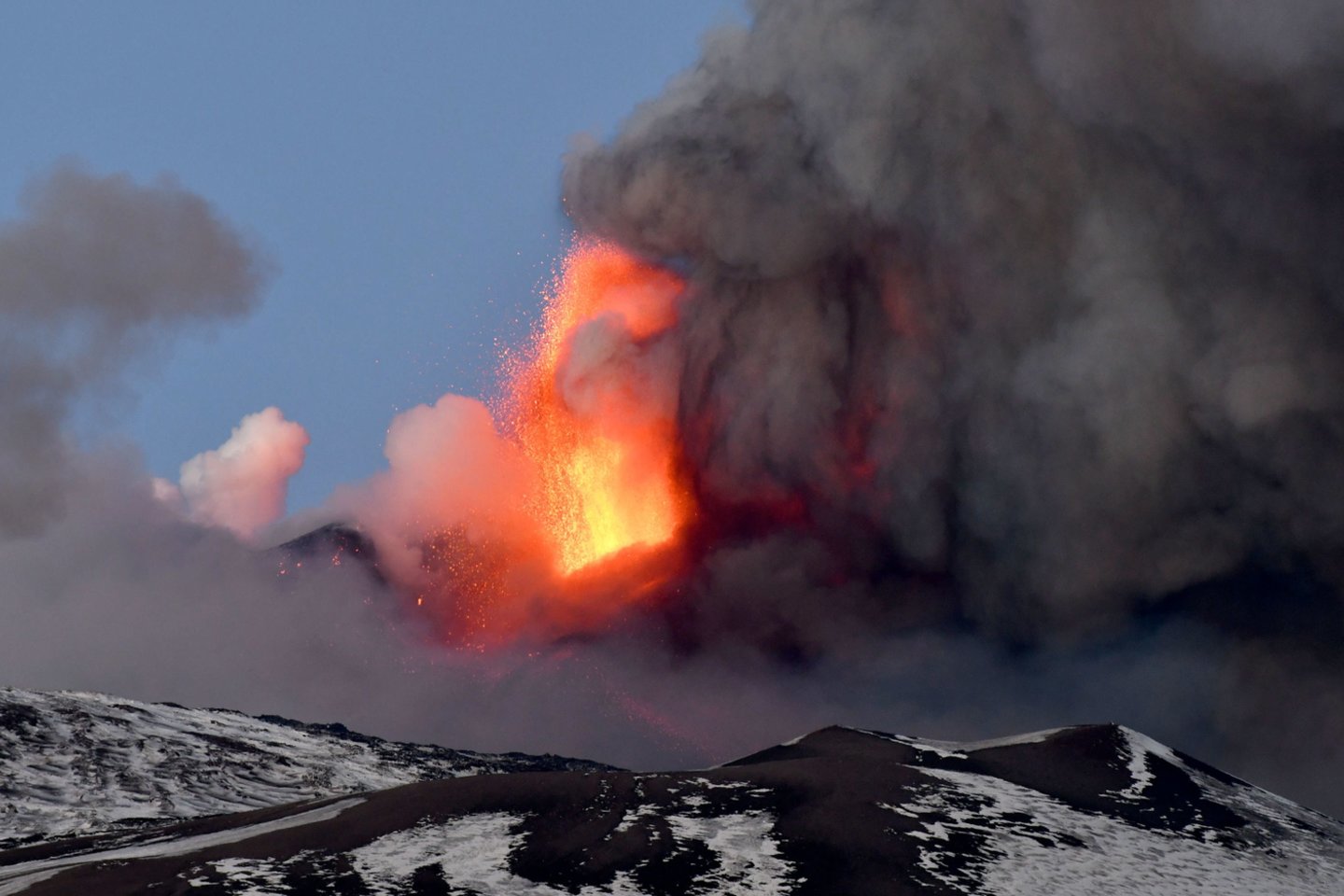
Italy's volcanic landscape is currently experiencing heightened activity, with Mount Etna erupting and Stromboli also remaining active. These geological events come as both locals and tourists navigate the dual realities of enjoying winter sports while maintaining vigilance against potential volcanic hazards.
Mount Etna, Europe's highest and most active volcano, has intensified its eruptions since December 31, 2025. The eruption has been characterized by continuous ash emissions from its craters, prompting authorities to monitor the situation closely. As skiers flock to the slopes, they find themselves amid a stunning yet potentially hazardous backdrop of volcanic activity. The eruption's severity has been classified as high, and experts are advising caution, particularly in areas downwind of the volcano, where ashfall can pose health risks and disrupt air travel.
Simultaneously, Stromboli, another notable active volcano located off the northern coast of Sicily, has been demonstrating ongoing activity since January 3, 2026. Although the severity of the activity at Stromboli is considered medium, it continues to draw attention due to its frequent eruptions and the risks they pose to nearby residents and tourists. Stromboli's eruptions are typically characterized by small explosions and glowing lava flows, making it a popular destination for adventurous travelers.
The Italian government's Civil Protection Department is actively monitoring both volcanoes and has issued alerts to ensure public safety. Local officials are emphasizing the importance of preparedness and have implemented measures to facilitate timely evacuations if necessary. The authorities are also providing updates to the public, advising residents and visitors to stay informed about the latest developments.
Background
Mount Etna has a long history of eruptions, dating back thousands of years, and is one of the most studied volcanoes in the world. Its eruptions have shaped the surrounding landscape, contributing to the rich agricultural land that Sicily is known for today. However, this activity also poses risks to nearby communities, with the potential for lava flows, ash clouds, and pyroclastic flows.
Stromboli, on the other hand, is renowned for its persistent volcanic activity, which has earned it the nickname "Lighthouse of the Mediterranean." The volcano's eruptions are generally mild but can be unpredictable, leading to occasional evacuations of the island's residents and tourists.
Conclusion
As Italy's volcanic activity continues, the situation remains dynamic. Mount Etna's recent eruption and the ongoing activity at Stromboli serve as reminders of the powerful natural forces at play in the region. While the allure of skiing and sightseeing persists, both locals and visitors must remain vigilant and heed warnings from authorities. The balance between enjoying Italy's breathtaking landscapes and respecting the forces of nature is crucial in ensuring safety during this active volcanic period.