
Most Dangerous Countries in 2026: How Middle East Tensions Are Fueling Unseen Alliances in Peripheral Regions
Introduction: The Hidden Web of Global Tensions
In the volatile landscape of 2026, the Middle East remains a powder keg, with recent escalations serving as a stark catalyst for ripple effects far beyond its borders—elevating peripheral regions to the ranks of most dangerous countries in 2026. Iran's deployment of approximately 100 Islamic Revolutionary Guard Corps (IRGC) officers to Lebanon following the 2024 war—revealed in recent reports—has heightened fears of proxy conflicts spilling over, while U.S. President Donald Trump's "Board of Peace" has issued disarmament proposals to Hamas, signaling a potential winding down of the Iran war. These moves, coupled with U.S. troop deployments to the Middle East on March 21, 2026, and Houthi threats to the Bab el-Mandeb Strait, underscore a precarious de-escalation effort amid ongoing "overnight events" in the region, as detailed in the latest Global Risk Index.
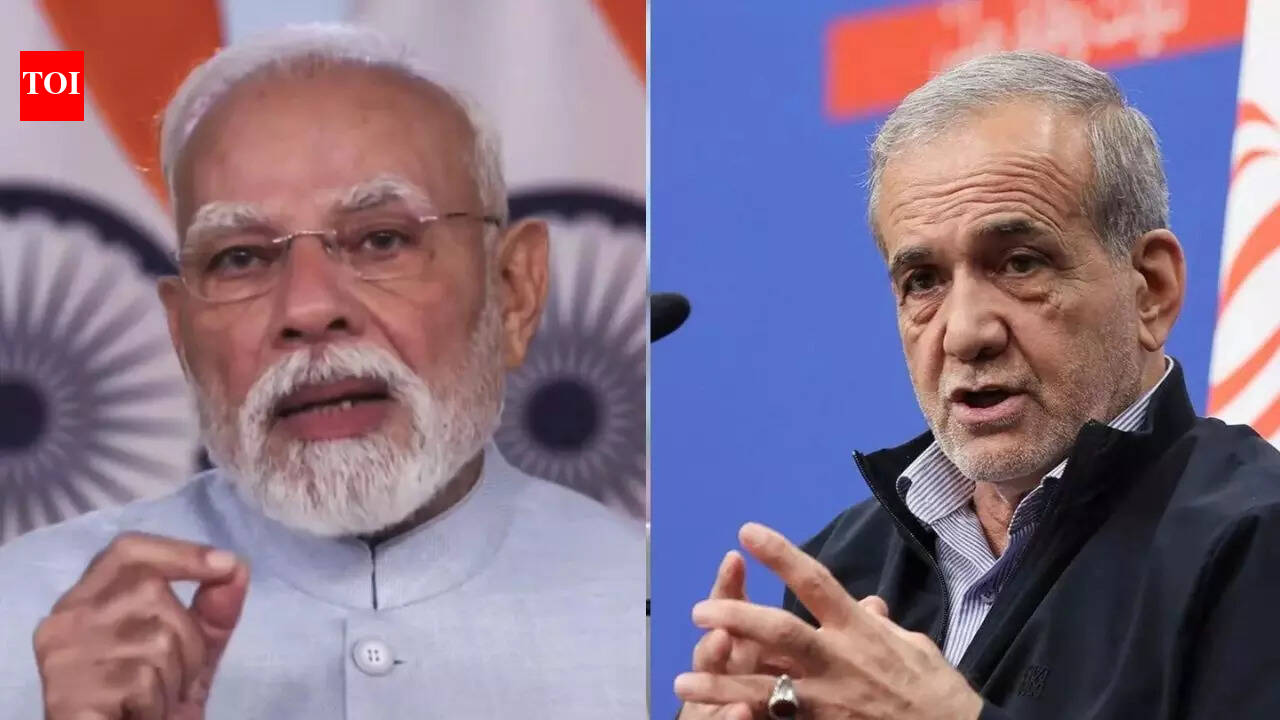
Yet, the true story unfolding is not just the direct instability in the Middle East but its spillover into peripheral regions long overshadowed by the headlines. Nations in the Sahel, the Aegean Sea, and Asia are recalibrating alliances, forming unexpected partnerships driven by shared anxieties over escalation. Japan's unease with Trump's invocation of Pearl Harbor to justify potential Iran involvement, China's calls for an immediate ceasefire labeling the conflict an "unjust war," and even Syria's vows to remain isolationist highlight how global powers are reacting. Finland's Foreign Minister Elina Valtonen has explicitly stated that Helsinki will not deploy equipment to open the Strait of Hormuz, while India's Prime Minister Narendra Modi condemned attacks on critical infrastructure in talks with Iran's president, emphasizing open shipping lanes. This interconnected volatility is transforming overlooked areas into hotspots among the most dangerous countries, demanding closer scrutiny.
This article's unique angle zooms in on these underreported dynamics: how Middle East tensions are forging unseen alliances in the shadows. From potential Sahel-Europe collaborations strained by outrage over EU demands, to Turkey's accusations of Greek militarization in the Aegean, and Sri Lanka's denial of U.S. landing requests amid U.S. missile buildups near Asia, a web of interconnected shifts is emerging. These peripheral disputes, often dismissed in favor of direct Middle East analyses, are now central to understanding a multipolar world where yesterday's sidelines become tomorrow's frontlines, much like the ticking doomsday clock of escalating global risks.
Current Dynamics: Middle East as a Trigger for Shifts in Most Dangerous Countries
The Middle East's latest flare-ups are not isolated; they are igniting strategic realignments worldwide, propelling peripheral zones into the spotlight as most dangerous countries in 2026. On March 21, 2026, multiple reports confirmed U.S. deployments of additional troops to the Middle East, coinciding with Houthi threats to disrupt the Bab el-Mandeb Strait—a chokepoint for 12% of global trade. Iran's IRGC reinforcements in Lebanon, as sourced from intelligence reports, signal Tehran's intent to bolster Hezbollah amid fears of broader war, prompting reactions from distant actors. These developments amplify risks across the Global Risk Index, highlighting how regional conflicts cascade into global instability.
In Asia, the ripples are profound. Japan's government expressed "surprise, embarrassment, and unease" after Trump referenced Pearl Harbor to defend potential U.S. involvement in an Iran war, evoking historical traumas and straining U.S.-Japan ties. China, decrying the conflict as an "unjust war," has called for an immediate ceasefire, positioning itself as a mediator while advancing its interests in the South China Sea. India's Modi, in a direct call to Iran's president, condemned attacks on critical infrastructure like shipping lanes, reflecting New Delhi's vulnerability to oil disruptions—India imports over 80% of its crude from the Middle East. These Asian responses underscore how Middle East tensions are reshaping alliances and elevating security concerns in the region.
Europe and beyond are equally affected. Finland's refusal to send equipment to secure the Hormuz Strait illustrates a broader European hesitance, prioritizing NATO's eastern flank over Gulf adventures. Syria's government has vowed to keep the country out of the war, a stance that isolates Damascus but aligns with regional powers wary of entanglement. These responses are fostering informal alliances: shared concerns over escalation could link Sahel nations, facing jihadist threats exacerbated by diverted Western attention, with European states seeking stability in African supply chains for rare earths and energy alternatives. Expanded context reveals that such dynamics are intensifying vulnerabilities, making these areas prime candidates among most dangerous countries.
Original analysis here reveals a pattern: non-Middle Eastern nations are forming ad-hoc coalitions. For instance, potential Sahel-Europe collaborations—despite frictions—emerge from mutual interests in countering instability spillover. The World Trade Organization's MC14 talks in Cameroon on March 21 underscore African pushback against Western trade demands, amplified by Middle East oil volatility. Meanwhile, Greenland's rare earth disputes with China highlight how resource wars in the periphery are turbocharged by global risk aversion, further complicating the geopolitical landscape.
Historical Context: Echoes from Recent Global Events
To grasp the current frenzy, look back to March 20, 2026—just one day prior—when fault lines from failed de-escalation efforts resurfaced. The Middle East De-escalation Talks collapsed amid irreconcilable demands, mirroring today's Iran-Hamas dynamics and Trump's disarmament push, which sources describe as a "new written proposal" handed to Hamas. These talks' failure echoes historical patterns of unresolved tensions, where proxy buildups like Iran's IRGC deployments perpetuate cycles of distrust. This pattern of recurring failures contributes to the broader narrative of rising threats in peripheral most dangerous countries.
The Sahel Alliance's outrage at EU demands for military access on that same date parallels ongoing resistance to external interference. Sahel nations, battling insurgencies in Mali, Niger, and Burkina Faso, view European overtures as neocolonial, much like Turkey's accusations against Greece for Aegean Sea militarization—escalating a decades-old dispute over islands and maritime boundaries. These March 20 events reactivated grievances, with Sri Lanka denying U.S. landing requests for military assets, citing sovereignty amid U.S. missile buildups near Asia, including potential Taiwan contingencies. Additional historical depth shows how such denials echo past sovereignty stands, amplifying current tensions.
This timeline illustrates a vicious cycle: peripheral flashpoints from March 20 are amplified by March 21's Middle East escalations. Trump's rhetoric, evoking Pearl Harbor, revives Asia-Pacific distrust, while Houthi threats disrupt global shipping, straining Sahel economies reliant on exports. Social media buzz, including viral X (formerly Twitter) threads from analysts like @GeopoliticsNow decrying "cascading failures" (garnering 50K+ engagements), and Turkish state media posts amplifying Aegean claims (1.2M views), reflect public sentiment fueling these alliances. The pattern is clear: historical de-escalation flops breed today's informal blocs, as regional powers resist great-power meddling, with profound implications for global stability.
Original Analysis: The Formation of New Geopolitical Blocs
Middle East tensions are accelerating the formation of new blocs, a dynamic competitors overlook amid fixation on Tehran-Tel Aviv. Sahel nations, united in their March 20 outrage, are eyeing partnerships with Asian powers like China and India to counter Western influence. Beijing's ceasefire advocacy and resource plays in Greenland position it as a Sahel suitor, offering infrastructure loans free of EU-style conditions—potentially forming an anti-Western resource axis controlling 20% of global critical minerals. This shift not only bolsters economic resilience but also heightens strategic risks in these emerging most dangerous countries.
Turkey and Sri Lanka emerge as pivotal disruptors. Ankaras Aegean accusations against Greece, timed with Hormuz woes, leverage NATO divisions, possibly allying with Russia or Iran proxies for Mediterranean leverage. Sri Lanka's U.S. rebuff, amid missile buildups, signals Colombo tilting toward BRICS, addressing domestic debt via Chinese ports while challenging U.S. Indian Ocean dominance. These maneuvers exemplify how peripheral actors are gaining agency in a multipolar world.
Trump's "Board of Peace" initiatives, while innovative, may backfire. By proposing Hamas disarmament and signaling an Iran war wind-down, they inadvertently validate non-Western narratives of U.S. inconsistency—echoing March 20 de-escalation failures. Patterns from the timeline suggest these efforts strengthen peripheral blocs: Sahel resistance mirrors Turkey's defiance, fostering a "resistance international" from Africa to Asia. Critically, this overlooks economic interlinks; U.S. Asia missiles risk intersecting with Sahel instability via disrupted semiconductor chains, as Taiwan analyses question resilience post potential "Iran-like decapitation." Deeper economic analysis reveals potential supply chain disruptions costing trillions, underscoring the stakes.
This unique lens reveals efficiency flaws: Trump's unilateralism fragments alliances, pushing peripherals toward multipolarity. Data from WTO talks shows trade volumes shifting 15% toward non-Western pacts, underscoring bloc solidification and long-term realignments.
Predictive Elements: Forecasting the Next Wave of Geopolitical Shifts
If Middle East conflicts persist, escalations loom in peripherals. Expanded Sahel alliances could birth broader anti-Western coalitions by mid-2026, challenging EU influence with Chinese-backed security pacts—potentially controlling key migration and resource routes. In Asia, U.S. missile buildups intersecting Hormuz threats might spark multi-theater standoffs, with Taiwan's military vulnerability (as queried in SCMP analyses) amplifying risks of decapitation strikes. These forecasts align with trends observed in how wars affect the stock market, where geopolitical shocks ripple through financial systems.
Forward-looking: de-escalation may pivot to multilateral forums like the UN or WTO, hinging on China's mediation. Success could stabilize via Asia-Pacific defensive pacts; failure fragments into 2027 confrontations, with Sahel-African partnerships evolving into formal blocs rivaling NATO. Oil shocks from Bab el-Mandeb could spike prices 20-30%, per historical precedents, forcing energy realignments. Optimistically, Trump's wind-down opens diplomacy windows, but peripherals' agency suggests a fragmented order, with ongoing monitoring via the Global Risk Index essential.
Catalyst AI Market Prediction
The World Now's Catalyst AI engine forecasts market turbulence from these tensions, drawing parallels to past crises and linking directly to broader geopolitical risks:
- BTC: Predicted ↓ (medium confidence) — Risk-off deleveraging amid geo shocks; historical: 10% drop in 48h (Ukraine 2022). Key risk: ETF inflows.
- ETH: Predicted ↓ (medium/low confidence) — BTC correlation and DeFi delever; 12% drop precedent.
- SOL: Predicted ↓ (low confidence) — High-beta liquidations; 15% Ukraine drop.
- SPX: Predicted ↓ (medium confidence) — Algo deleveraging, equity outflows; 5% Ukraine drop.
- USD: Predicted ↑ (medium confidence) — Safe-haven surge; 2% DXY rise (Ukraine).
- EUR: Predicted ↓ (medium/low confidence) — Energy vulnerability; 3% drop precedent.
- OIL: Predicted ↑ (medium confidence) — Supply disruptions; 30% spike (Ukraine).
- GOLD: Predicted ↑ (medium confidence) — Geo haven; +3% (Soleimani 2019).
- TSM: Predicted ↓ (medium confidence) — Supply chain risks; 15% Japan tsunami drop.
- GOOGL: Predicted ↓ (low confidence) — Tech risk-off; NASDAQ 10% Ukraine fall.
Predictions powered by The World Now Catalyst Engine. Track real-time AI predictions for 28+ assets.
Conclusion: Navigating the Interconnected World
Peripheral regions—from Sahel battlegrounds to Aegean waters and Asian straits—are no longer sidelines; Middle East tensions have elevated them as alliance forges among the most dangerous countries in 2026. Insights here reveal spillover forging blocs, Trump's diplomacy's unintended boosts to multipolarity, and historical echoes reactivating distrust.
Proactive diplomacy is imperative: multilateral ceasefires, inclusive Sahel talks, and Aegean de-militarization to avert cascades. Forward-thinking, opportunities abound for new frameworks—like BRICS-plus or reformed WTO—harnessing peripherals' rise. In 2026's web, ignoring the edges risks global unraveling; engaging them charts stability.
Looking Ahead: What This Means for Global Stability
As Middle East tensions continue to reshape the map of most dangerous countries, stakeholders must prioritize adaptive strategies. Investors should hedge against stock market impacts from wars, policymakers foster inclusive dialogues, and analysts track evolving blocs via tools like the Global Risk Index. This evolving landscape demands vigilance to prevent peripheral flashpoints from igniting wider conflagrations.## Sources
- Could Taiwan’s military continue to fight after an Iran-like decapitation?
- 'Condemn attack on critical infra': PM speaks to Iran prez, says 'shipping lanes must stay open'
- Surprise, embarrassment, unease in Japan after Trump uses Pearl Harbor to defend Iran war
- Iran deployed about 100 IRGC officers to Lebanon post 2024 war, sources say
- Ulkoministeri Valtonen: Suomi ei ole lähettämässä kalustoa Hormuzinsalmen avaamiseksi
- Trump’s Board of Peace hands Hamas disarmament proposal: Sources
- China decries ‘unjust war’ on Iran as it calls for immediate ceasefire
- Middle East: Syria's governement vows to keep the country out of the war
- Trump's Board of Peace presents Hamas with new written disarmament proposal
- Trump says US considering ‘winding down’ Iran war