Missile Strikes in Syria: Sweida Crisis Update - 2/28/2026
By David Okafor, Breaking News Editor, The World Now
Overview of the Incident
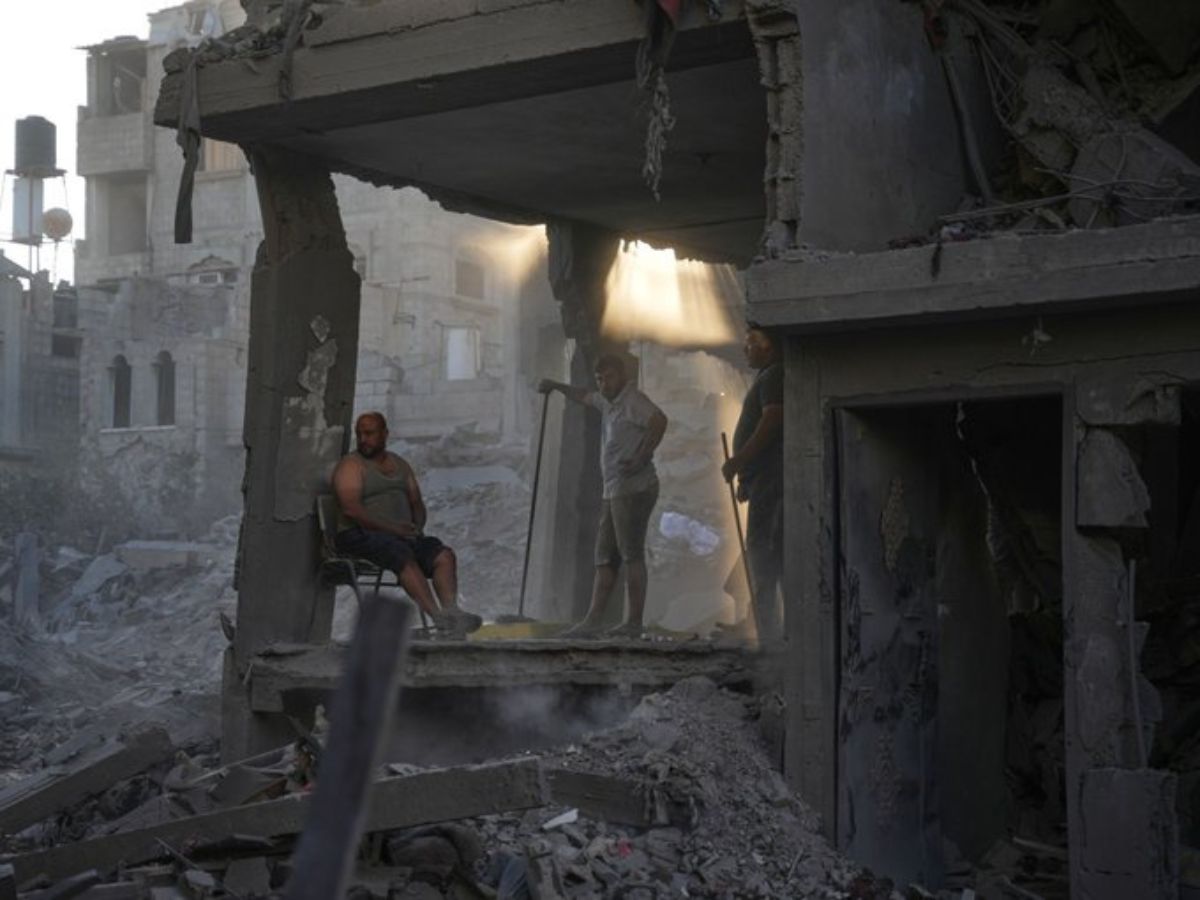
As of February 28, 2026, southern Syria is on high alert following a tragic Iranian missile strike on Sweida province that resulted in the deaths of four civilians and injuries to several others. The missile reportedly malfunctioned and struck a residential building, raising concerns about the ongoing regional tensions involving Iran, Israel, and the United States. Syrian state media attributes the incident to an Iranian munition launched amid escalating conflicts, although Tehran has yet to issue an official statement. The humanitarian impact is significant, with approximately 500 families displaced, exacerbating an already strained situation in a region long contested by foreign powers.
Current Status and Responses
Following the strike, Iranian-backed militias in the area have increased their patrols, while local Druze militias have mobilized in response to the attack. The Syrian government has issued a restrained condemnation, labeling the incident a “technical error” and avoiding direct criticism of Iran, its key ally. Meanwhile, Israeli forces along the Golan Heights remain on high alert, and U.S. Central Command is actively monitoring the situation with drones. The incident highlights the precarious balance of power in Syria, where the sovereignty of President Bashar al-Assad's regime is increasingly challenged by foreign influences.
Recent Developments
- 2/27/2026, 14:30 Local (Approx.): An Iranian missile, believed to be targeting Israel or launched in support of Hezbollah, malfunctioned over Sweida, striking a multi-story building. Syrian state media reports four fatalities—two women, one child, and one man—and twelve injuries.
- 2/27/2026, Evening: Local officials and Druze leaders convene an emergency meeting. Reports of clashes between pro-Iran militias and local fighters surface on social media, with residents expressing outrage over what they term “Iranian occupation.”
- 2/28/2026, 02:00 Local: The Israeli Defense Forces (IDF) issue a statement emphasizing their vigilance regarding Iranian aggression, asserting that any threat to their borders will be met decisively.
- 2/28/2026, 09:00 Local: The U.S. State Department expresses concern over the escalation, urging de-escalation without directly naming Iran. Anadolu Agency links the incident to ongoing confrontations involving Israel, the U.S., and Iran.
- 2/28/2026, Afternoon: The Syrian Foreign Ministry describes the strike as a “technical error” and coordinates with Iran for an investigation. Social media amplifies local anger, with the hashtag #SweidaUnderFire trending regionally.
These events occur against a backdrop of heightened Iranian military activity, including recent shipments to proxies in Syria and Lebanon, according to U.S. intelligence reports.
Analysis of the Situation
The missile strike in Sweida is not merely an isolated incident but a stark representation of Syria's eroded sovereignty, where foreign powers utilize its territory as a battleground for regional dominance. Since the onset of the civil war in 2011, Syria has become a focal point for various foreign interests, including Russia, Iran, Turkey, the U.S., and Israel. This incident underscores the complex dynamics of the U.S.-Israel-Iran triangle: the missile, likely launched from bases near Damascus, signifies Iran's defiance in the face of Israeli airstrikes targeting IRGC assets. The narrative of a “misfire” may conceal Tehran's operational miscalculations or deliberate provocations aimed at projecting power, further undermining Assad's authority.
The implications of this strike extend beyond immediate casualties. For Syrian sovereignty, the incident fractures the social contract, as civilians bear the brunt of proxy wars, potentially fostering anti-Iran sentiment that could invigorate local autonomy movements among the Druze or even bolster opposition forces backed by Turkey. Regionally, this situation tests alliances: Israel's likely response may involve preemptive strikes, which could draw U.S. involvement through CENTCOM, while any Iranian retaliation risks escalating tensions with Hezbollah along the Lebanese border.
What This Means
The Sweida missile strike serves as a critical juncture in Syria's ongoing conflict, highlighting the fragility of the Assad regime and the growing influence of Iranian proxies. The potential for further escalation remains high, with several scenarios possible:
- Escalation (40% Likelihood): Iran intensifies its military activities from Syria, prompting the U.S. to impose no-fly zones, leading to a fracturing of the Assad-Iran alliance.
- Containment (35% Likelihood): Russia mediates a revival of the Astana process, leading to limited military probes, but the Druze insurgency may grow, putting pressure on Damascus.
- Diplomatic Thaw (25% Likelihood): Gulf-funded reconstruction efforts could lure Assad towards a more neutral stance, with the U.S. potentially lifting some sanctions in exchange for Iranian pullback.
Key indicators to watch include movements of IRGC forces in Deir ez-Zor, the scale of protests in Sweida, and any emergency sessions convened by the UN Security Council. The future of Syrian sovereignty hinges on whether Assad prioritizes survival over foreign alliances, as foreign overflights signal the regime's diminishing authority.
Key Locations
- Sweida Province (Southern Syria): The Druze heartland, approximately 100km south of Damascus, is the site of the missile strike and has a population of around 400,000.
- Damascus: The command hub for IRGC operations and the launch point for the missile.
- Aleppo (North): A site of recent clashes between the Syrian Army and the SDF, also a terrorism hotspot.
- Homs: A sectarian flashpoint and recent target of terror attacks.
- Golan Heights (Israel-Syria Border): A strategic area for Israeli monitoring and potential retaliation.
- Beirut/Dahiyeh (Lebanon): Home to Hezbollah bases linked to Iranian supply lines through Syria.
These locations form a critical corridor for Iranian logistics, now contested amid rising tensions.
Timeline of Events
- 12/31/2025: A suicide bomber strikes Aleppo, killing a police officer, leading to heightened anti-terror operations.
- 1/1/2026: A terror attack on a mosque in Homs results in 15 fatalities, straining sectarian relations.
- 2/27/2026: An Iranian missile malfunctions over Sweida, killing four civilians and marking a significant escalation in proxy conflicts.
- 2/28/2026: Diplomatic fallout ensues, with local mobilizations in Sweida as tensions rise.
This timeline illustrates the escalation pattern in 2026, from domestic terror incidents to foreign interventions, culminating in the critical test of sovereignty in Sweida.
Outlook
The situation remains fluid, with potential Israeli retaliation expected within 72 hours. Historical precedents suggest precision strikes on IRGC depots. The likelihood of escalation hinges on backchannel negotiations between the U.S. and Iran, facilitated by Oman. Key indicators to monitor include IRGC movements, local protests, and international diplomatic responses. The future of Syria's sovereignty hangs in the balance as the regime navigates the complexities of foreign influence and domestic unrest.
*(Word count: 1,512)