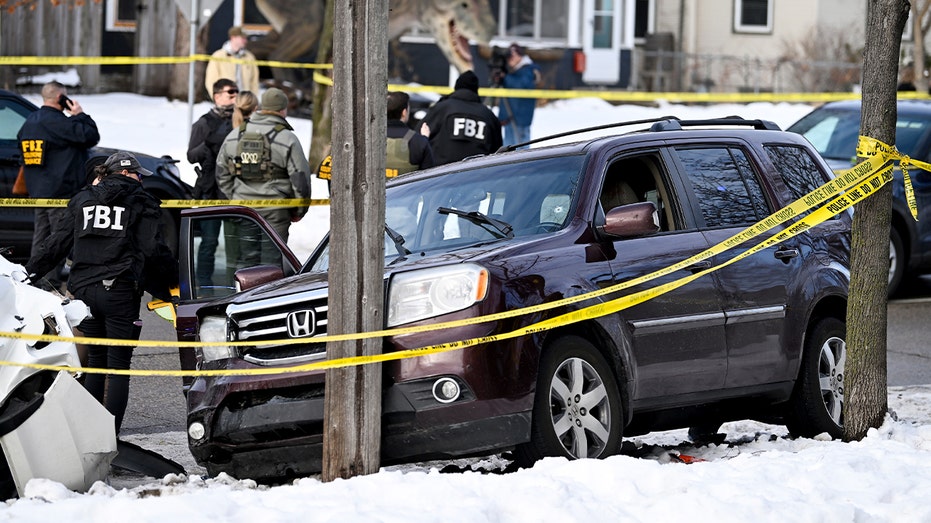

Minneapolis ICE Shooting Kills Woman, Injures Officers, Ignites Bipartisan Political Clash
A fatal shooting during a U.S. Immigration and Customs Enforcement (ICE) operation in Minneapolis on Wednesday left 37-year-old local woman Renee Nicole Good dead and federal officers injured, drawing sharp rebukes from both Democratic and Republican leaders amid heightened tensions over immigration enforcement.
The incident unfolded around 5:14 p.m. GMT during an ICE crackdown targeting immigration violations in the city. According to the Department of Homeland Security (DHS), Good allegedly attempted to run over law enforcement officers with her vehicle, prompting an ICE agent to fire shots that killed her at the scene. Federal authorities described the woman as a "suspect" and defended the agent's actions as a response to an imminent threat. Officers involved sustained injuries, though specifics on their conditions were not immediately released.
Good's mother identified her daughter to the Minnesota Star Tribune, confirming the 37-year-old Minneapolis resident as the victim. A Fox News profile highlighted Good's background as a local woman, with the city's council now demanding accountability from federal officials over the operation's execution.
Political Firestorm Erupts
The shooting rapidly escalated into a national political controversy. Minnesota Governor Tim Walz, a Democrat, issued a warning order to prepare the National Guard in anticipation of potential unrest, while criticizing the Trump administration's approach to immigration enforcement. Walz described the death as a "predictable consequence" of what he called reckless federal operations, slamming President Donald Trump directly in remarks reported Wednesday evening.
Democratic officials, including city leaders, accused the administration of aggressive tactics fueling community fears. The Minneapolis city council echoed calls for transparency and accountability, aligning with broader backlash against ICE's intensified activities under Trump's second term, which has prioritized mass deportations following his 2024 reelection.
Republicans countered swiftly. President Trump took to Truth Social, condemning what he termed "Radical Left" violence after the clash that left the motorist dead and officers hurt. In a Newsmax appearance, Rep. Wesley Hunt, R-Texas, accused Democratic leaders and the political left of encouraging violence in response to the shooting, stating during "Carl Higbie FRONTLINE" that "the left always calls for more violence."
Federal defenders, including DHS spokespeople, maintained that the agent's use of force was justified, emphasizing the dangers faced by officers during the operation.
Background on ICE Operations and Minneapolis Tensions
ICE operations have intensified nationwide since Trump's inauguration in January 2025, focusing on interior enforcement against undocumented immigrants as part of campaign promises to address border security. Minneapolis, a sanctuary city with a history of progressive policies on immigration, has seen protests against federal raids. Minnesota's diverse immigrant communities, including significant Somali and Hmong populations, have previously clashed with law enforcement over deportation efforts.
Governor Walz's decision to ready the National Guard recalls his deployment during 2020 unrest following George Floyd's death in the same city, underscoring ongoing sensitivities around police and federal actions in Minneapolis. The timing—early in 2026—coincides with Trump's administration ramping up enforcement amid record border encounters in prior years, though exact targets of Wednesday's operation remain undisclosed.
Ongoing Investigation and Community Response
As of Thursday morning, officials continue investigating the shooting, with federal authorities reviewing body camera footage and witness statements. ICE has not released further details on Good's immigration status or the operation's objectives, citing the active probe.
Community leaders urged calm, aligning with Walz's broader call for de-escalation even as he mobilized resources. No widespread protests were reported immediately after the incident, but the political rhetoric from both sides risks amplifying divisions.
The event highlights persistent frictions over immigration policy in a polarized U.S., where enforcement actions under the Trump administration have yielded thousands of arrests but also drawn lawsuits and demonstrations. Outcomes of the investigation could influence future ICE tactics and legal challenges from civil rights groups.
With the National Guard on standby and bipartisan finger-pointing intensifying, Minneapolis remains on edge as authorities seek clarity in a case blending law enforcement, immigration, and politics.
(Word count: 612)






