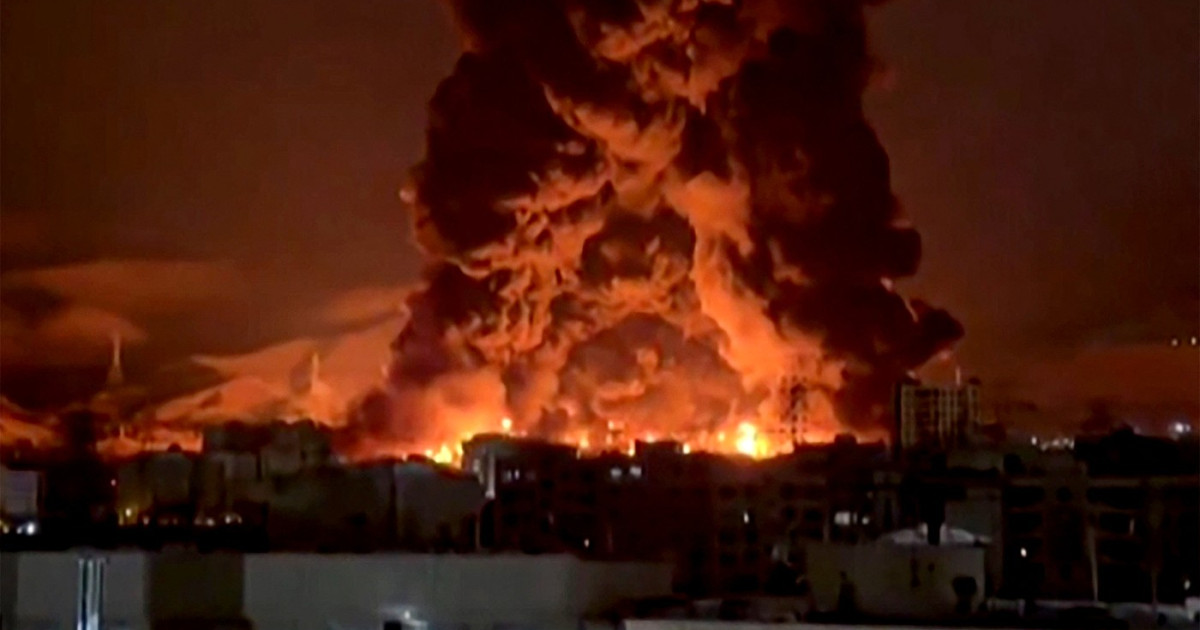

Middle East War: Shifting Alliances and Iran's Leadership Transition as of March 9, 2026
On Day 10 of the escalating Middle East War, Iran rejects armistice offers while undergoing a major leadership change with Ayatollah Ali Khamenei's death and his son Mojtaba named as the new Supreme Leader. This shift, amid intense military exchanges and rising oil prices, highlights fracturing alliances and global economic impacts, including disrupted travel and U.S.-Israel coordination.
Current Status and Recent Developments
As of March 9, 2026, Iranian state media firmly states Tehran is not seeking an armistice and aims to punish aggressors, per Digi24 sources. Ground operations intensify, with the IDF intercepting Iranian missile attacks and U.S. forces maintaining deterrence. Oil prices have spiked to $105 per barrel, causing airline shares to drop 8-12%, while civilian adaptations in Dubai and Tel Aviv show resilience amid humanitarian challenges.
Key events include:
- March 8, 2026: Announcement of Khamenei's death and Mojtaba's swift appointment, alongside IRGC missile launches intercepted by IDF.
- March 8-9, 2026: Oil surges and global flight cancellations, with proxy attacks disrupting Red Sea shipping.
- March 9, 2026: Reports of potential IRGC defections and intensified evacuations in Lebanon.
Analysis and Outlook
The war reveals complex alliance shifts, with Iran's proxies showing reduced activity amid leadership instability, potentially weakening Tehran's position. U.S.-Israel coordination, hinted at by President Trump's statements, could lead to a ceasefire, but risks escalation if hardliners dominate.
Looking ahead, monitor for Iran's possible realignments with Russia or China, which might prolong the conflict. Economic forecasts predict oil at $120 per barrel by March 15, impacting global GDP, while diplomatic efforts like a UNSC session on March 10 could de-escalate tensions and stabilize markets by April.






