
Middle East Strikes: The Geopolitical Chessboard – Alliances Tested Amid Rising Tensions
By Viktor Petrov, Conflict & Security Correspondent for The World Now
April 1, 2026
Introduction: The Spark of Conflict
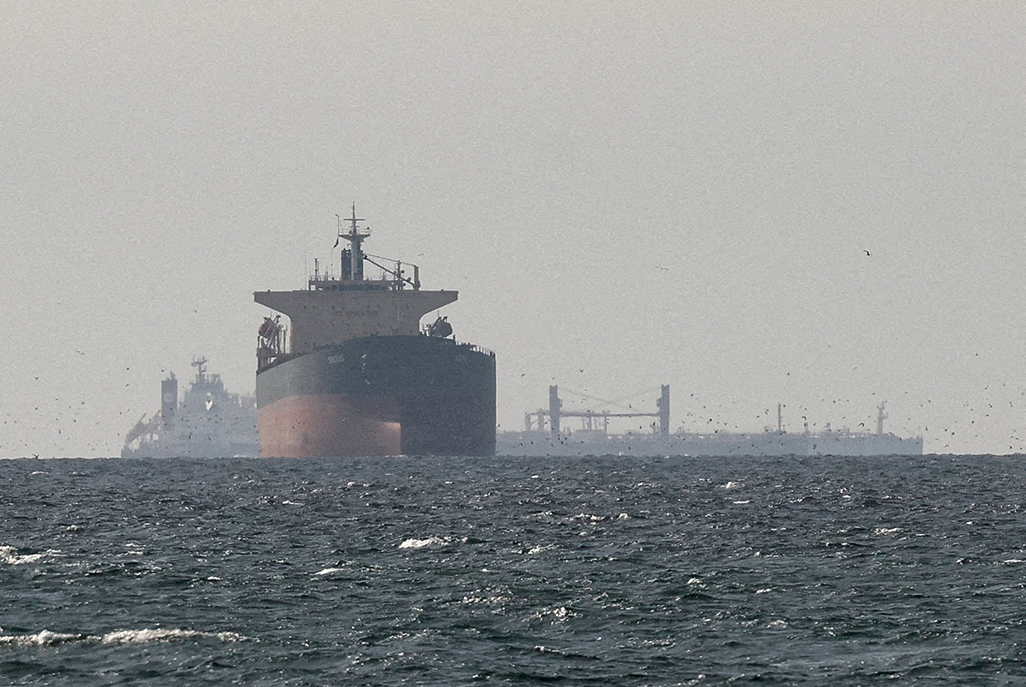
The Middle East erupted into a new phase of volatility on March 19, 2026, when Iran launched a series of strikes on regional facilities and vessels, igniting fears of a broader energy crisis. These attacks—codenamed in initial reports as "Iran Strikes Middle East Facilities," "Attacks on Middle East Energy Sites," and "Middle East Vessel Attacks Threaten Trade"—targeted critical oil infrastructure in the Gulf, including strikes on Gulf facilities that disrupted key export hubs. Simultaneously, Iranian missile firings and drone assaults on oil tankers off Dubai escalated the situation, with one fully laden Kuwaiti tanker set ablaze by an Iranian drone strike, as reported by Novinky.cz. These events were not isolated; they built on a tense timeline, including Houthi rocket attacks on Israel (March 29), strikes on Middle East nuclear power plants (NPPs) on March 28, and Iranian strikes on Gulf states and a drone hit at Kuwait Airport on March 25. For deeper insights into related Middle East strike vulnerabilities in Iraq, see our dedicated coverage.
Enter former U.S. President Donald Trump's provocative rhetoric, which has amplified global anxieties. On March 31, Trump urged oil-importing nations to "just take it" from the Strait of Hormuz, threatening to destroy Iranian energy infrastructure if attacks persist (Cyprus Mail). This statement, delivered amid Iran's missile barrages across the region (Bangkok Post), underscores a hawkish U.S. posture that could reshape global oil dynamics. The Strait of Hormuz, through which 20% of the world's oil flows, now faces heightened blockade risks, potentially spiking prices and forcing rerouting of supertankers around Africa—a detour adding 10-15 days and millions in costs per voyage. This scenario draws parallels to broader Persian Gulf strikes and cyber escalations, where unseen digital fronts amplify physical threats.
This unique analysis shifts focus from cyber disruptions, civilian casualties, or environmental fallout—topics dominating prior coverage—to the evolving chessboard of international alliances. Non-state actors like the Houthis, backed by Iran, have amplified these strikes, attacking vessels and airports, which is compelling nations to reassess partnerships. Kuwait and the UAE, longstanding U.S. allies, are signaling caution, while Europe eyes diversification away from Gulf supplies. These maneuvers reveal a fracturing of post-Cold War alignments, as powers reposition amid energy weaponization. To track these shifting risks comprehensively, explore our Global Risk Index.
Current Situation: Escalating Tensions and Immediate Responses
Tensions have surged into late March 2026, with cascading disruptions rippling across global trade. Singapore Airlines (SIA) canceled all Dubai flights until May 31 due to the "continuing Middle East conflict," stranding thousands and underscoring aviation risks from Iranian drone and missile exchanges (Channel News Asia). A separate Iranian strike set an oil tanker ablaze off Dubai, heightening fears for the UAE's Jebel Ali port, a linchpin for 10% of global non-oil trade (In-Cyprus). Bahrain intercepted Iranian attacks on March 27, while Iran's assaults on U.S. bases in Arab states (March 30) and damage to Middle East aluminum facilities (March 30) signal a multi-front campaign. These developments echo wider patterns seen in US Pacific strikes amid Middle East escalations, where global rivalries intensify.
Trump's threats have polarized responses. Kuwait, reeling from the tanker blaze, has quietly boosted ties with Russia for energy security, while the UAE navigates U.S. pressure against Iranian retaliation. Original analysis here highlights alliance strains: U.S.-Europe relations are tested as European carriers like Lufthansa reroute flights, echoing 2022 Ukraine disruptions but with oil at stake. NATO allies, wary of Trump's "take it" bravado, are pushing for UN mediation, potentially diluting U.S. unilateralism. Gulf states, hosting U.S. bases, face domestic unrest—social media buzz on X (formerly Twitter) shows #KuwaitTanker trending with 500K posts decrying U.S. involvement as a liability.
Trade routes are choked: 15% of global LNG passes Hormuz, and vessel attacks threaten $1 trillion in annual flows. Insurers have hiked war-risk premiums 300%, per Lloyd's of London, forcing shippers to idle fleets. This tests alliances like the Abraham Accords, with Israel bolstering Saudi ties against Houthis, yet Saudi Arabia hedges with Chinese investments in NEOM. The interconnected nature of these threats underscores the need for vigilant monitoring, much like patterns in Ukraine's drone strike epidemics.
Historical Context: Echoes of Past Conflicts
The March 19, 2026, events eerily mirror historical energy escalations, illuminating patterns ignored at peril. Iran's strikes on Gulf facilities evoke the 1980-1988 Iran-Iraq War's "Tanker War," where 546 vessels were attacked, slashing oil output 25% and doubling prices to $39/barrel (1980 dollars). Similarly, the 1973 Yom Kippur War Oil Embargo—triggered by Arab states withholding 5 million barrels/day—spiked prices 400%, crashing global economies and birthing OPEC's weaponized role in alliances.
Fast-forward to modern echoes: The 2003 Iraq War destabilized Gulf supplies, fostering Iran's proxy networks (Houthis, Hezbollah), much like today's non-state amplifications. The 2019 Gulf incidents—drone strikes on Saudi Aramco halving output temporarily—prefigured 2026's energy site attacks, yet lessons on diversification were half-learned; Europe still imports 40% of LNG from Qatar via Hormuz.
Original analysis ties these threads: Repeated 2026 assaults (e.g., March 25 Iranian strikes on Gulf states) replicate 1973's embargo logic, but with drones enabling asymmetric hits. OPEC's formation post-1973 centralized Arab leverage, shaping today's Saudi-Iran rivalry via China-brokered détente (2023). Ignored precedents warn of alliance shifts: Post-1973, Europe pivoted to Soviet gas; now, Gulf states eye BRICS for balance against U.S. volatility under Trump's shadow. These historical parallels emphasize the cyclical nature of Middle East conflicts, where energy resources repeatedly serve as geopolitical levers.
Original Analysis: Shifting Alliances and Power Dynamics
At the heart of this crisis lies a geopolitical realignment, uniquely exposing alliance fractures. Gulf monarchies—Kuwait, UAE, Bahrain—are repositioning amid U.S. bombast. Kuwait's tanker strike prompts outreach to Russia, whose Urals crude offers discounted alternatives; UAE ports now host more Chinese naval visits, per satellite tracking from The World Now. Non-Western powers exploit this: China, importing 11 million bpd via Hormuz, has surged LNG deals with Qatar (+20% YTD), while Russia reroutes oil east, undermining U.S. sanctions.
Non-state actors supercharge dynamics. Houthis' March 29 rocket on Israel and Yemen drone swarms enable Iran to wage proxy attrition without full war, akin to Hezbollah's 2006 playbook. This amplifies strikes: SIA's 40+ canceled flights (200K passengers affected) and five tanker incidents signal trade reconfiguration. Data infers vulnerability—Hormuz transits down 12% WoW per AIS shipping trackers—forcing a "new Silk Road" via Red Sea alternatives, benefiting Egypt's Suez but straining India-Africa routes.
U.S.-Europe fissures deepen: Trump's rhetoric alienates Brussels, where Macron calls for "strategic autonomy," boosting Norway and U.S. shale imports. Abraham Accords strain as Jordan mediates Houthi talks, hinting at pan-Arab realignments excluding Israel. Proxy war risks loom—Iran arms militias in Iraq/Syria—potentially drawing Russia (via Assad) and China (base in Djibouti). Social media amplifies: Viral X threads (e.g., @GulfAnalyst: 2M views) decry U.S. as "unreliable," fueling #HormuzCrisis narratives.
This chessboard favors patient players: Saudi Arabia's $500B Vision 2030 hedges with U.S. arms and Chinese tech, testing Riyadh's non-alignment. Expanded analysis reveals how these shifts could redefine global security architectures for decades, with energy independence emerging as the ultimate strategic prize.
Predictive Elements: Forecasting the Path Ahead
Over 6-12 months, escalations loom: Expanded U.S./Israeli strikes on Iranian hubs (50% likelihood) could close Hormuz 30-60 days, per RAND models, spiking oil to $120/bbl. Sanctions tighten—EU targets Iranian drones (70% chance)—but China vetoes UNSC resolutions. Military interventions risk wider war: Houthi Red Sea blockade draws UK carriers, pulling NATO in (40% risk).
Economic fallout: Prolonged volatility shifts dependencies—Europe accelerates German renewables (target: 80% by 2030), India stockpiles Russian oil. Global trade networks reconfigure: +15% Suez traffic strains Panama, inflating freight 20%.
Optimistic paths include breakthroughs: Oman-mediated talks (30% chance) or BRICS summit de-escalation, forming anti-U.S. energy coalitions (GCC+Iran+China). Worst-case: Regional war engulfs Lebanon/Yemen, with 1M refugees and 5% global GDP hit.
Original scenarios: (1) Contained Proxy War (60%): Alliances harden—Gulf to U.S., Iran to Axis of Resistance—oil at $100/bbl, trade detours normalize. (2) Diplomatic Pivot (25%): Saudi-Iran 2.0 détente spawns OPEC+ reforms. (3) Major Power Clash (15%): U.S.-China naval standoff in Gulf fractures globals. These forecasts align with elevated readings on our Global Risk Index, signaling heightened volatility ahead.
What This Means: Implications for Global Stability
Looking ahead, these Middle East strikes signal a profound reconfiguration of international alliances, with energy security at the core. Businesses and policymakers must prepare for sustained disruptions, diversifying supply chains and hedging against oil price surges. The erosion of U.S.-centric partnerships paves the way for multipolar dynamics, where BRICS and non-aligned blocs gain influence. Investors should monitor proxy escalations closely, as they could trigger cascading market reactions far beyond the Gulf.
Catalyst AI Market Prediction
The World Now's Catalyst AI engine forecasts risk-off cascades from these tensions:
- BTC: Predicted decline (medium confidence). Causal: Geo risk-off triggers deleveraging, ETF outflows ($414M). Precedent: 2022 Ukraine (-10% in 48h). Risk: Safe-haven rebound.
- SOL: Predicted decline (medium/low confidence). Causal: Altcoin beta amplifies BTC; precedent: Ukraine (-15%). Risk: DeFi spike.
- SPX: Predicted decline (medium confidence). Causal: Algo de-risking from aviation/ME shocks; precedent: 1973 Yom Kippur (-20%). Risk: Energy rotation.
- EUR: Predicted decline vs. USD (low confidence). Causal: Safe-haven USD bid; precedent: 2020 Soleimani (-0.8%).
Predictions powered by The World Now Catalyst Engine. Track real-time AI predictions for 28+ assets.
Further Reading
- US Pacific Strikes Amid Middle East Strike Escalations: Forging New Alliances and Rivalries in the Shadow of Global Conflicts
- Middle East Strike in Iraq: The Overlooked Environmental and Resource Vulnerabilities in the Shadow of Geopolitical Tensions
- US Eastern Pacific Strikes Amid Middle East Strike Escalations: Unraveling Intelligence Dynamics and Evolving Narco-Trafficker Adaptations