
Middle East Strike: Iraq's Quest for Neutrality with NATO Withdrawal Amid Iran-US Escalations
The Story
The shifting sands of Iraqi geopolitics have rarely been more volatile than in early 2026, where the NATO mission's abrupt temporary withdrawal marks a pivotal moment in Baghdad's long struggle for autonomy. On March 22, reports emerged from Anadolu Agency and Romania Insider detailing how NATO allies, including Canada and Romania, evacuated non-essential personnel from Iraq due to the spiraling Iran-US conflict tied to the Middle East strike. Iraq's government swiftly downplayed the move, insisting it was a "temporary precaution" and denying any direct attacks on NATO assets. Yet, this development is no isolated incident; it caps a monthslong progression of eroding Western military footprints, beginning with key events in January.
The historical context traces a clear trajectory toward Iraq's evolving quest for neutrality. On January 2, 2026, Iraq reclaimed the Ain al-Assad airbase, a site long synonymous with US military presence since the 2003 invasion. This symbolic reclamation, often cited in Iraqi media as a milestone of sovereignty, signaled Baghdad's growing impatience with foreign troops amid domestic pressures from Iran-aligned groups. Just eight days later, on January 10, Iraq engaged in high-level discussions with Pakistan about bolstering military ties, hinting at diversification away from traditional Western patrons as US influence waned. Tensions peaked on January 14 when US personnel were urged to evacuate a Middle East base, followed by the January 17 withdrawal of US troops from an Iraqi airbase. By January 26, the US issued stark warnings to Iraq regarding its government formation process, cautioning against undue Iranian sway. These events, corroborated across outlets like Al Jazeera and social media timelines from GDELT-monitored sources, illustrate a pattern: Iraq's tug-of-war between Western allies and regional powers like Iran, now culminating in NATO's precautionary exit.
Middle East Strike Timeline: March 2026 Escalations
Fast-forward to March 2026's recent Middle East strike event timeline, and the pressure cooker intensifies. On March 8, Iraq's influential Shiite cleric Grand Ayatollah Ali al-Sistani called for support of Iran, even as oil prices dipped amid US-Iran skirmishes. Iranian gas supplies resumed to Iraq on February 25, underscoring Tehran's economic leverage. By March 13, US officials were relocated from Erbil in Iraqi Kurdistan, and on March 14, Iraq boosted military readiness near the oil-rich Basra region. The March 16 "Iraq Oil Feud" disrupted the economy, and March 23's "US-Iran Escalation in Iraq" (rated HIGH impact by monitoring services) pulled the country deeper into the fray, as Al Jazeera reported US strikes targeting Iran-aligned groups on Iraqi soil. These developments echo broader Middle East Strike: US-Iran Tensions Ignite a Pacific Powderkeg, highlighting global ripple effects.
Current developments reveal a fragile calm masking deeper fractures. The Jerusalem Post highlighted Iranian-backed militias in Iraq extending a "ceasefire" with US forces, a move ostensibly de-escalatory but ripe for skepticism. Confirmed: The extension was announced amid US retaliatory strikes, with militias like Kata'ib Hezbollah claiming it as a tactical pause. Unconfirmed: Reports of covert militia movements toward Baghdad, whispered on X (formerly Twitter) by regional analysts, suggesting preparations to fill the NATO vacuum.
This is where the unique angle emerges: NATO's absence isn't just a footnote to external escalations; it's forcing Iraq to confront an internal security reckoning. With Western trainers and advisors gone, Iraq's military—long reliant on NATO's capacity-building under the 2018-established mission—must pivot to self-reliance. Local militias, integrated uneasily into the Popular Mobilization Forces (PMF), stand to gain disproportionately. Their ceasefire extension may empower them further, as state forces lack the logistics and intelligence once bolstered by NATO. This erosion of sovereignty humanizes the crisis: Imagine Iraqi soldiers, trained by Romanians or Canadians, now watching militias patrol unchecked, their loyalties divided between Baghdad and Tehran.
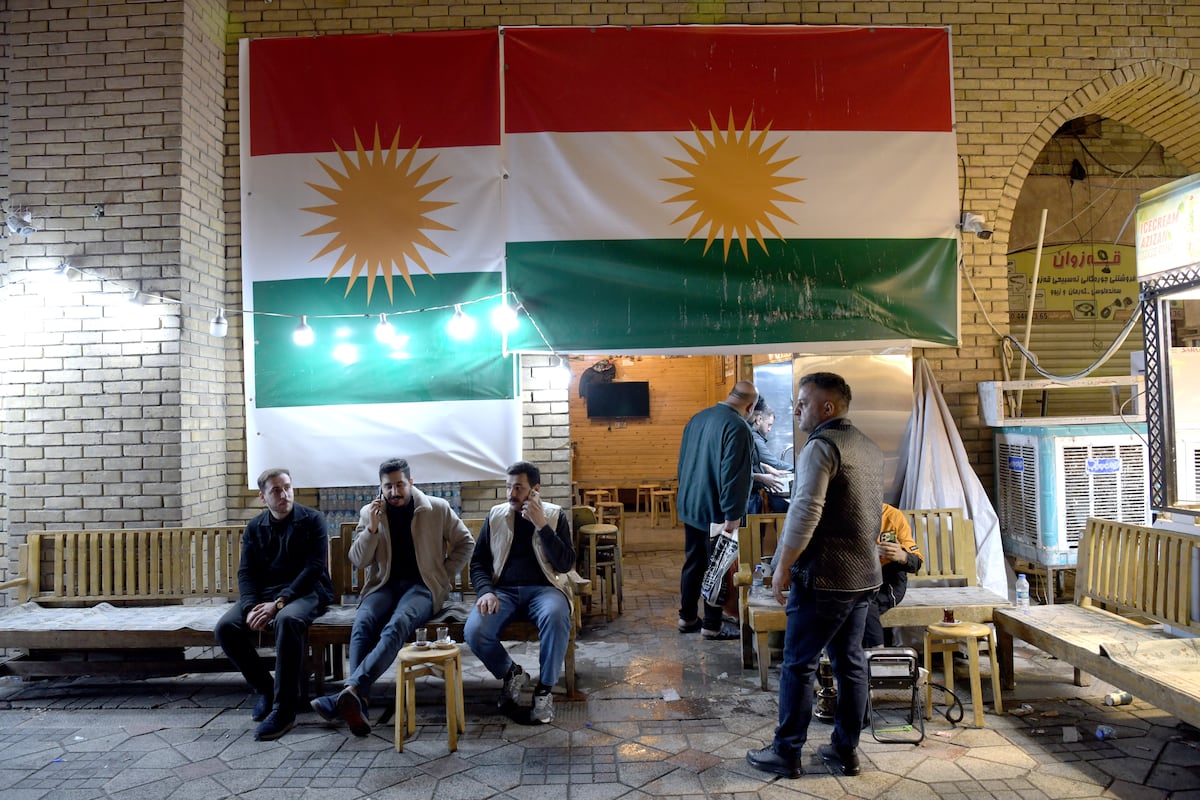
In Iraq's Kurdistan region, the dilemma intensifies. El Pais captures Kurdish voices declaring, "It's not our war," as Western allies' offensive against Iran leaves them exposed. Channel News Asia details rising prices and instability in Erbil and Sulaymaniyah—food costs up 20%, blackouts worsening—testing the Kurdistan Regional Government's (KRG) governance. Kurds, historic US allies against ISIS, now navigate a neutrality push, balancing Peshmerga autonomy with Baghdad's centralizing demands. For more on interconnected risks, see the Global Risk Index.
The Players
Key players drive this drama with layered motivations. Iraq's Prime Minister Mohammed Shia al-Sudani champions neutrality, motivated by domestic survival: balancing Shiite majorities' pro-Iran sentiments with Sunni and Kurdish calls for independence. His January overtures to Pakistan reflect a quest for non-Western partners less entangled in US-Iran feuds.
Iran wields militias like Hezbollah brigades as proxies, extending ceasefires to regroup while embedding influence in Iraq's security apparatus. Motivations: Buffer US strikes, secure oil routes, and project power without full war.
The US, under a hawkish posture, targets Iran-aligned groups per Al Jazeera, motivated by deterrence post-2025 escalations. Yet, troop withdrawals signal fatigue, prioritizing domestic politics over indefinite Middle East commitments.
NATO allies—Canada, Romania, others—pull back for personnel safety, their missions advisory since defeating ISIS. Kurds, via KRG President Nechirvan Barzani, seek Western reassurance amid El Pais-reported dilemmas, motivated by autonomy fears.
Pakistan lurks as a wildcard, its January talks with Iraq hinting at arms deals or training, motivated by countering Indian-Iran ties and expanding Sunni influence.
The Stakes
Politically, Iraq risks fragmentation: Militia dominance could sideline al-Sudani's government, echoing post-2003 chaos. Economically, while sources avoid deep dives, Kurdistan's instability (Channel News Asia) ripples nationwide—oil feuds (March 16) threaten 4 million barrels/day exports. Humanitarily, civilians bear the brunt: Displaced families in Anbar, Kurds facing price hikes, soldiers in loyalty binds. Sovereignty erodes as militias fill vacuums, per original analysis, potentially birthing a "state within a state."
For Kurds, stakes are existential: Western withdrawal revives 2017 independence referendum traumas, testing peshmerga against PMF incursions. Regionally, Iraq's neutrality pivot stakes Gulf stability—Saudi Arabia watches warily as Pakistan courts Baghdad. These tensions parallel shifts in Middle East Strike: Redefining Global Energy Alliances Through Asia's Rapid Coal Shift.
Catalyst AI Market Prediction
The World Now's Catalyst AI engine forecasts risk-off dynamics from these escalations, drawing parallels to 2022 Ukraine and 2019 US-Iran tensions. Key predictions (as of March 23, 2026):
| Asset | Prediction | Confidence | Causal Mechanism | Historical Precedent | Key Risk | |-------|------------|------------|------------------|----------------------|----------| | OIL | + | Medium | Supply fears from Hormuz/Iran strikes | 2019 Saudi attack: +15% in 1 day | No supply loss confirmed | | GOLD | + | Low | Safe-haven flows on uncertainty | 2019 Soleimani strike: +3% intraday | Dollar surge capping gains | | USD | + | Low | Haven bids amid risk flight | 2022 Ukraine: DXY +5% in weeks | De-escalation reducing demand | | BTC | - | Medium | Liquidation cascades in risk-off | 2022 Ukraine: -10% in 48h | De-escalation rebound | | ETH | - | Medium | Beta to BTC headlines | 2022 Ukraine: Mirrored BTC drop | ETF flow reversal | | SOL | - | Low | High-beta altcoin downside | 2022 Ukraine: >-15% in days | Meme rebound | | XRP | - | Low | Altcoin beta to BTC | 2022 Ukraine: -12% in days | Regulatory rumor | | SPX | - | Medium | Equities sell-off on energy/growth fears | 2022 Russia: -20% Q1 | Fed reassurances | | EUR | - | Medium | Weakens vs USD haven | 2022 Ukraine: ~-10% | ECB tightening | | AAPL | - | Medium | Consumer risk-off, oil inflation | 2022 Ukraine: -5% short-term | Services buffer | | META | - | Medium | Ad revenue sensitivity | 2022 Ukraine: -15% Q1 | User engagement surge | | TSM | - | Medium | Tech semis hit by oil fears | 2022 Ukraine: -10% initial | AI demand insulation |
Predictions powered by The World Now Catalyst Engine or Catalyst AI — Market Predictions. Track real-time AI predictions for 28+ assets.
These forecasts weave into Iraq's stakes: Oil spikes threaten Basra exports, crypto dips hit remittance-dependent Iraqis, equities pressure FDI.
Looking Ahead
NATO's withdrawal could accelerate Iraq's pivot: Expect deepened Pakistan ties by Q2 2026, perhaps joint exercises countering Iran. Scenarios: (1) Militia empowerment leads to internal clashes, fracturing PMF by summer; (2) Neutrality succeeds via Sistani-brokered unity, negotiating US-Iran de-escalation; (3) Escalation if US strikes resume, pulling Iraq fully in.
Timeline: Watch April government sessions on PMF reforms; KRG-Baghdad oil talks (post-March 16 feud); NATO review in May. Diplomatic interventions—UN, Qatar mediation—offer paths to unity, preventing fragmentation. Yet, without bolstering state forces, militias' rise risks a sovereignty eclipse, humanizing Iraqis' plight in proxy crossfire. As Middle East strike tensions evolve, monitor links to North Korea's Hostile Shift Amid Middle East Strike for wider geopolitical insights.
This is a developing story and will be updated as more information becomes available.