
Middle East Strike: US-Iran Tensions Ignite a Pacific Powderkeg: How Geopolitical Shifts Are Straining US-Asia Alliances
By the Numbers
The convergence of U.S.-Iran tensions and Asia-Pacific strains reveals quantifiable pressures on trade, technology, and markets:
-
WTO Status Quo: South Korea, alongside three other nations, retains "developing country" privileges at the WTO, despite a 2019 pledge by Seoul to forgo them. This grants benefits like longer tariff phase-ins and subsidies, valued at an estimated $10-15 billion annually in trade advantages across members, per WTO data. U.S. frustration has led to calls for tariff rule overhauls, with the U.S. urging WTO reforms amid China's "threat," potentially exposing $500 billion in annual U.S.-Asia trade flows to renegotiation.
-
China's AI Edge: A U.S. congressional panel attributes China's lead in AI to open-source models (e.g., 70% of global top open-source AI models originate from Chinese firms) and manufacturing dominance (China controls 60% of global semiconductor fabrication capacity outside Taiwan). U.S. AI investments lag at $67 billion in 2025 vs. China's projected $100 billion, per panel estimates, heightening competition in the Pacific.
-
Military Innovation Metrics: The U.S. Army's first kinetic drone swarm test on U.S. soil involved dozens of autonomous drones simulating swarm tactics, capable of overwhelming defenses at speeds up to 100 mph and ranges exceeding 50 miles. This follows $1.8 billion in Pentagon drone funding for FY2026.
-
Escalation Timeline Intensity: From February 25 to March 23, 2026, at least 10 high-to-medium impact events linked to U.S.-Iran dynamics, including strikes condemned as "illegal war" (2/28) and recent U.S. spending on the conflict (3/14, estimated $5-10 billion initial outlay).
-
Market Volatility Signals: The World Now Catalyst AI forecasts risk-off moves tied to Middle East strike flares: Oil + (medium confidence, precedent: 15% spike in 2019 Iran-Saudi attack); BTC -10% potential (medium, like 2022 Ukraine); SPX -20% Q1 drawdown risk (medium); USD +5% (low); TSM -10% (medium, tech semis hit by oil fears); Gold +3% intraday (low). These echo Asia-Pacific exposures, with Taiwan Semiconductor (TSM) particularly vulnerable due to supply chain ties.
These figures highlight not just immediate shocks but systemic risks to U.S. alliances, where trade frictions (e.g., South Korea's WTO status) amplify AI and energy vulnerabilities amid Iran-driven oil spikes.
Middle East Strike: What Happened
The sequence of events traces a volatile U.S.-Iran arc with outsized Asia-Pacific fallout, unfolding chronologically from late February 2026:
-
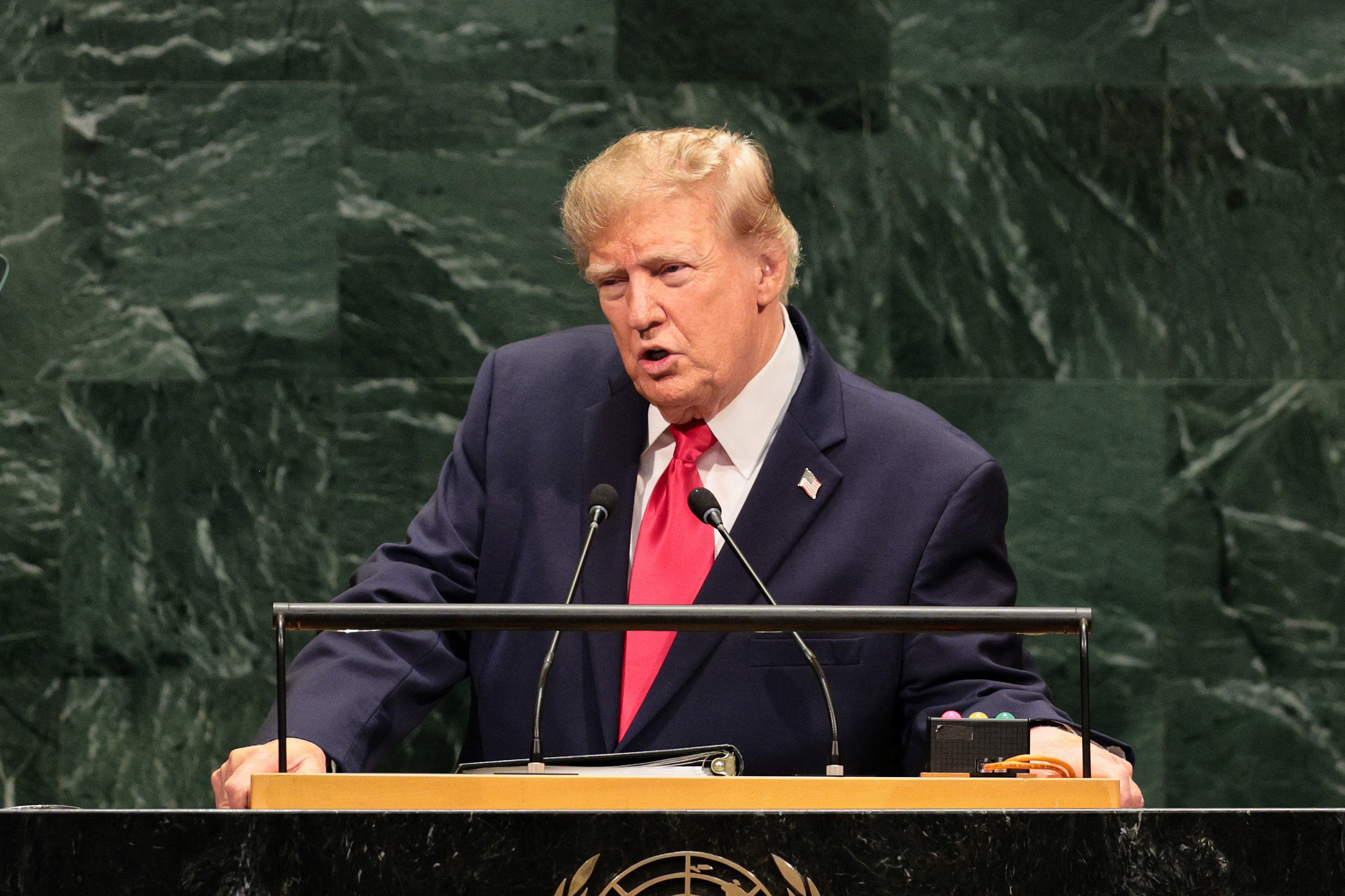
February 25, 2026: Trump praises Hamas in a speech while issuing direct threats to Iran, framing it as a response to regional provocations. This rhetoric sets off alarms, signaling a hawkish pivot.
-
February 26, 2026: Amid escalating tensions, Anthropic's CEO publicly opposes Pentagon demands for AI integration in military applications, highlighting domestic tech hesitancy that parallels alliance strains.
-
February 28, 2026: Dual crises erupt—Anthropic refuses Pentagon AI use, and international bodies condemn U.S. strikes on Iran as an "illegal war." Reports detail precision strikes on Iranian targets, condemned by allies and adversaries alike.
-
March 7, 2026: The U.S. releases a messaging video on the "US-Iran War," amplifying psychological operations amid stalled diplomacy.
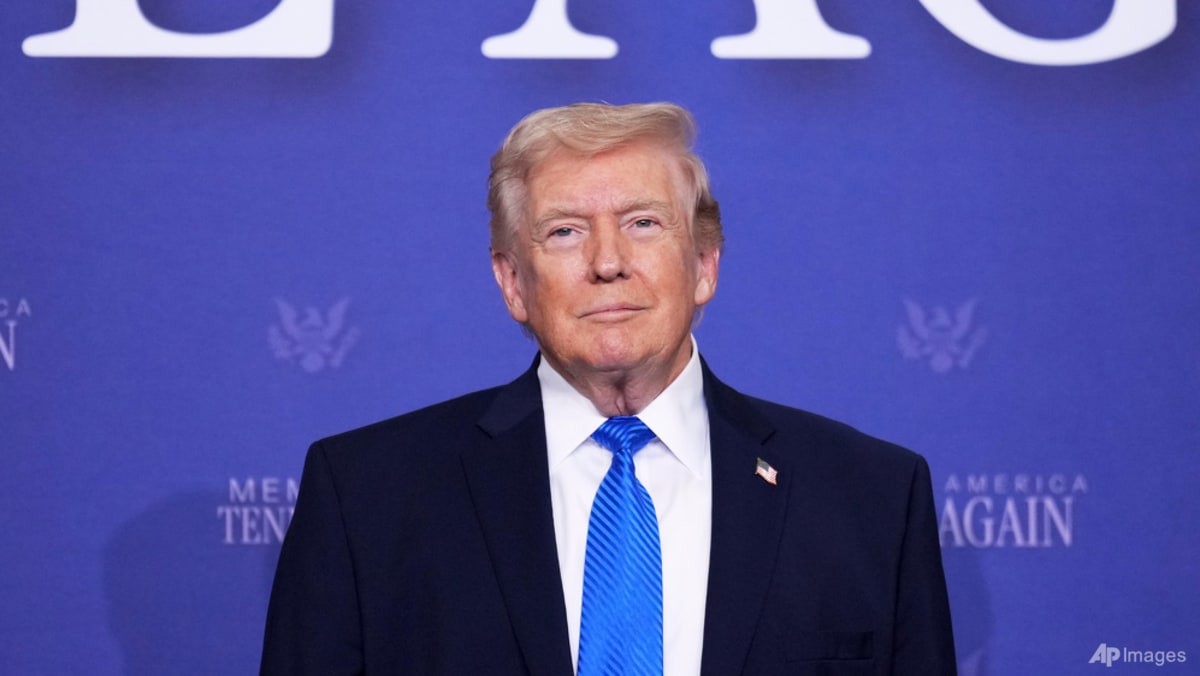
Fast-forward to mid-March: On March 14, disclosures reveal significant U.S. spending on the Iran conflict, estimated in the billions for munitions and deployments. March 15 sees the U.S. rejecting Iranian "war flights," heightening airspace tensions. March 16 brings a rare bright spot with Lynas signing a Pentagon deal for rare earths—critical for Asia-Pacific tech like drones and AI chips, underscoring supply chain dependencies. March 18 notes divided Iranian-American opinions in LA, reflecting domestic fractures. March 20 reports drones over a U.S. air base, evoking cyber and kinetic threats. March 21 features FBI warnings of Russian cyber campaigns targeting U.S. infrastructure, potentially linked to Iran proxy dynamics. March 23 culminates in Iran protesting Jordan at the UN, alongside Trump's "spectacular U-turn"—postponing strikes on Iran power plants, claiming both sides want a deal (per Korea Herald). Concurrently, VP Vance discusses ending the conflict with Netanyahu (Newsmax). For context on mediation efforts, explore Oman's silent diplomacy amid the Middle East strike.
Interwoven: U.S. confirms South Korea keeps WTO developing status (March 24 reports from Korea Herald/Yonhap), despite pledges, fueling trade distrust. A U.S. panel credits China's AI edge to open-source and manufacturing (SCMP). U.S. Army's drone swarm test (Clarin) positions as a Pacific deterrent. Fox News notes congressional gridlock delaying responses, as detailed in our analysis of 2026's legislative crossroads.
Confirmed: Trump's delay (Korea Herald), WTO decision (multiple), drone test (Clarin), AI panel (SCMP). Unconfirmed: Exact Iran spending figures; cyber links to Iran; full diplomatic deal prospects.
This chain illustrates rapid escalation-deescalation cycles, with Asia-Pacific threads like WTO and AI reports amplifying indirect strains from the Middle East strike. The ongoing Middle East strike dynamics continue to influence global perceptions, adding layers of complexity to U.S. strategic positioning.
Historical Comparison
U.S.-Iran tensions in 2026 mirror a pattern of rhetorical flair followed by U-turns, echoing past missteps that eroded Asia alliances—now manifesting in trade and AI frictions.
The 2026 timeline compresses what historically unfolds over months: Trump's Feb. 25 Hamas praise and Iran threats parallel his 2019 "maximum pressure" on Soleimani (spiking oil 4%), but the Feb. 28 strikes condemnation evokes 2003 Iraq WMD fallout, where U.S. unilateralism cost alliance cohesion. March's U-turn (Channel News Asia) recalls Trump's 2018 Syria pullback, alienating NATO partners.
In Asia-Pacific: South Korea's retained WTO status despite 2019 pledges echoes the 2018 U.S.-SK steel tariffs ($5.3B hit), straining KORUS FTA trust. Historical U.S. policy flips—like Nixon's 1971 gold shock or Reagan's 1980s Japan plaza accord—prompted ally hedging; today, it risks South Korea tilting toward China (bilateral trade $300B+ annually).
China AI dominance per U.S. panel parallels 1980s semiconductor fears, but with open-source (70% Chinese-led) accelerating Beijing's edge, akin to Huawei's 5G bans fracturing alliances. U.S. drone swarms build on 2011 Reaper precedents but signal Pacific deterrence amid AUKUS strains.
Patterns emerge: U.S. volatility (12 major foreign policy U-turns under Trump 1.0) fosters "alliance fatigue," per RAND studies—e.g., 2022 Ukraine saw Asian neutrals like India abstain UN votes. 2026 foreshadows this: WTO inaction weakens minilateralism (Quad), pushing SK autonomy as in 1997 Asian Financial Crisis hedging. These historical parallels underscore how Middle East strike volatility can cascade into long-term alliance realignments.
Catalyst AI Market Prediction
The World Now Catalyst AI — Market Predictions analyzes Middle East strike escalations' spillover to Asia-Pacific-exposed assets, drawing causal links to historical precedents:
- OIL: Predicted + (medium confidence) — Supply fears from Hormuz disruptions; 2019 Iran-Saudi precedent: +15% in one day. Key risk: No confirmed losses.
- BTC: Predicted - (medium confidence) — Risk-off liquidations; 2022 Ukraine: -10% in 48h. Key risk: De-escalation rebound.
- SPX: Predicted - (medium confidence) — Equities selloff on energy shocks; 2022 Ukraine: -20% Q1. Key risk: Fed reassurances.
- USD: Predicted + (low confidence) — Haven flows; 2022 Ukraine DXY +5%. Key risk: Diplomacy cools demand.
- TSM: Predicted - (medium confidence) — Semis hit by oil/tech risk-off; 2022 Ukraine: -10%. Asia-relevant: AI chip supply chains.
- GOLD: Predicted + (low confidence) — Safe-haven; 2019 Soleimani: +3% intraday.
- EUR: Predicted - (medium confidence) — USD strength; 2022: -10%.
- ETH/SOL/XRP: Predicted - (medium/low confidence) — Crypto beta to BTC; 2022 drops 10-15%.
These predict Pacific ripple effects, with TSM downside signaling AI/trade vulnerabilities for allies like South Korea.
Predictions powered by The World Now Catalyst Engine. Track real-time AI predictions for 28+ assets.
What's Next
US-Iran dynamics risk igniting a Pacific powderkeg, exacerbating AI/trade rivalries with China and prompting ally reassessments. Original analysis: Perceived U.S. inconsistencies—WTO stasis on South Korea, Iran U-turns—could accelerate China's AI lead (projected 20% market share gain by 2028), pushing Seoul toward Beijing (e.g., +15% trade growth post-2016 THAAD). Triggers: Oil >$100/bbl sparks SK import costs ($60B annual oil bill); WTO tariff hikes expose $100B electronics trade. Check our Global Risk Index for comprehensive risk assessments tied to these Middle East strike developments.
Scenarios (12-24 months):
- AI Arms Race (High Probability): U.S. drone swarms spur China countermeasures; SK invests $20B in domestic AI, diluting CHIPS Act reliance.
- Trade Realignments (Medium): WTO reforms fail, birthing CPTPP expansions excluding U.S., or SK-BEIJING pacts.
- New Blocs (Low-Medium): "Indo-Pacific Autonomy Forum" (SK, Japan, ASEAN) hedges U.S. volatility, echoing EU post-Iraq.
Policy Recommendations: Stabilize via "Alliance Reliability Doctrine"—binding WTO concessions, joint AI funds ($50B U.S.-SK), Iran de-escalation briefings. Risks of inaction: Fragmented order, China-centric blocs, echoing Cold War Finlandization. The Middle East strike's lingering effects could amplify these risks, necessitating proactive diplomacy.
This is a developing story and will be updated as more information becomes available.