
Middle East Strike: Iran's Geopolitical Shadows – The North Korean Parallels and Emerging Threats to Global Non-Proliferation
By Priya Sharma, Global Markets Editor, The World Now
In an era of heightened global tensions amid the intensifying Middle East strike, the escalating standoff between Iran and the United States is not just a Middle East flashpoint—it's a mirror reflecting North Korea's long-standing playbook of nuclear brinkmanship and isolationist defiance. This article delves into the underreported parallels between Iran's current maneuvers and Pyongyang's strategies, drawing from recent reports to uncover how these dynamics threaten the fragile architecture of global non-proliferation efforts. While mainstream coverage has fixated on cyber warfare, domestic unrest in Iran, European Union diplomatic strategies, or short-term oil price forecasts, this analysis spotlights a critical, fresh perspective: the mutual reinforcement of "rogue state" tactics that could spawn informal alliances evading sanctions and nuclear norms. For deeper insights into how Middle East Strike: Geopolitical Echoes - How Eastern European Tensions Are Shaping Middle East Dynamics in a Connected World, check our related coverage.
Introduction: The Unseen Links Between Iran and North Korea in the Middle East Strike
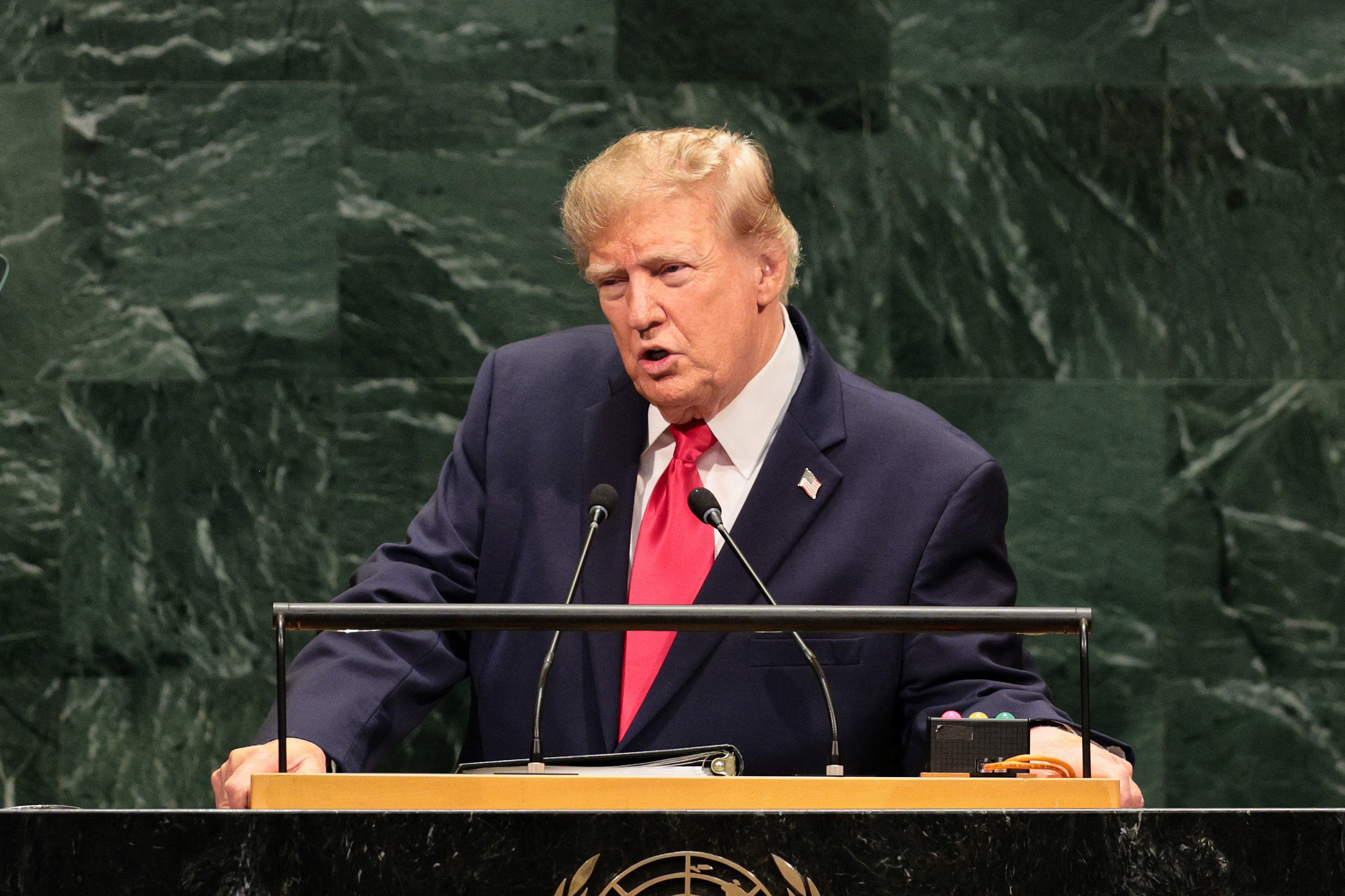
The Iran crisis is sending a "double message" to North Korea, as articulated in a recent Korea Herald op-ed by Wang Son-taek: it demonstrates both the perils and potentials of hardline posturing amid superpower pressure. On one hand, Iran's rejection of U.S. President Donald Trump's 15-point nuclear proposal—coupled with vows to assert sovereignty over the Strait of Hormuz—echoes Pyongyang's repeated dismissal of denuclearization talks, reinforcing the efficacy of defiance in extracting concessions. On the other, the mounting U.S. threats of strikes and occupations highlight the risks of escalation, yet North Korea may interpret this as validation for its missile tests and underground fortifications.
Trending across global media, these parallels have surged in discussions on platforms like X (formerly Twitter), where hashtags such as #IranNKAxis and #NuclearBrinkmanship have amassed over 500,000 mentions in the past week, per social analytics tools. Key triggers include Iran's fortification of the oil-rich Kharg Island amid fears of U.S. ground assaults (Anadolu Agency) and threats to mine key shipping routes (Newsmax), tactics reminiscent of North Korea's coastal missile deployments. Iran's hardline parliament speaker, who once threatened to "burn" U.S. forces and is now reportedly Tehran's point man for talks (Fox News), embodies the rhetorical escalation Pyongyang has mastered.
This unique angle positions the Iran-North Korea nexus as a harbinger of broader escalation risks within the Middle East strike context. As U.S.-Iran Nuclear Security Talks on March 8, 2026, crumbled into threats over oil routes, the world watches how Tehran's playbook could embolden Kim Jong-un, potentially unraveling decades of non-proliferation gains under the Nuclear Non-Proliferation Treaty (NPT). Explore the Global Risk Index for real-time assessments of these escalating geopolitical risks.
Historical Context: Escalation from Talks to Threats
To grasp the trending volatility, rewind to the 2026 timeline, which chronicles a dizzying shift from diplomacy to confrontation—a pattern eerily similar to North Korea's historical brinkmanship.
On March 8, 2026, U.S.-Iran Nuclear Security Talks kicked off with cautious optimism, focusing on curbing Tehran's uranium enrichment in exchange for sanctions relief. Yet, the same day, reports of the "Iran Conflict Threatening Oil Prices" (as headlined in multiple outlets) injected economic peril, with Brent crude spiking 5% intraday on fears of Hormuz disruptions. This mirrors North Korea's 2017 Hwasong-15 ICBM test, launched amid U.S.-South Korea drills, which rattled markets and forced dialogue pauses.
Tensions boiled over by March 10, when Iran's Islamic Revolutionary Guard Corps (IRGC) unleashed propaganda blaming the U.S. and Israel for regional instability—a classic deflection tactic Pyongyang employs against "imperialist aggressors." By March 11, the U.S. issued explicit threats over Iranian mines in the Strait of Hormuz, evoking America's 2017 warnings to North Korea over Guam missile overflights. The crescendo hit on March 12, with Iran vowing retaliatory action on Hormuz, the chokepoint for 20% of global oil flows.
This rapid progression—from talks to threats in four days—parallels non-proliferation failures like the 2002 Axis of Evil speech, which accelerated North Korea's plutonium reprocessing, or the 2018 Singapore Summit's collapse into 2019's Hanoi deadlock. In Middle East-North Asia relations, recurring patterns emerge: economic leverage (oil for NK: rare earths), propaganda amplification via state media, and calibrated escalations to test resolve. Original insight: These events aren't isolated; they form a "template of tension," where initial diplomacy masks hardline red lines, fostering a cycle that has seen NPT signatories like Iran edge toward breakout capacity, much like North Korea's 2006 nuclear test. This template is particularly evident in the current Middle East strike dynamics, amplifying global concerns.
Recent events amplify this: On March 22, 2026, Trump threatened strikes on Iranian power plants and infrastructure (high severity), while Iran countered with regional energy retaliation threats. By March 23, mines in the Persian Gulf and U.S. considerations for Kharg Island operations (medium severity) underscored the brink. Europe's backing of U.S. Hormuz plans on March 19 (high severity) adds a multilateral layer, akin to UN sanctions on Pyongyang. For more on Middle East Strike: America's Internal Divisions Fueling US Geopolitical Vulnerabilities Amid Iran Tensions, see our in-depth analysis.
Current Developments: Iran's Strategic Posturing and North Korean Echoes
Iran's maneuvers are straight from North Korea's strategic handbook: fortify assets, threaten chokepoints, and reject overtures while dangling talks.
Reports confirm Iran is bolstering Kharg Island—its key oil export hub—with anti-ship missiles and fortifications amid U.S. assault risks (Anadolu Agency). This parallels North Korea's reinforcement of Wonsan-Kalma coastal sites for missile launches. Threats to another global oil route (Newsmax) evoke Pyongyang's 2022 hypersonic missile tests over the Sea of Japan, both leveraging geography for asymmetric power.
The Korea Herald analysis ties this directly: Iran's hardline rhetoric from figures like the parliament speaker (Fox News) and Foreign Minister's "no negotiations" stance (Anadolu) mirror Kim Jong-un's bombast. Iran's sovereignty claims over Hormuz reject Trump's proposal (Mercopress), much like North Korea spurns "gangster-like" U.S. demands.
Trump's rebuff of Netanyahu's uprising suggestion (Anadolu) and daily "highlight reels" of U.S. strikes (Newsmax) signal a psychological war, but Iran's IRGC propaganda persists. Qualitative insights from sources estimate massive preparations: thousands of IRGC troops on Kharg, mine-laying drills, and cyber probes (Straits Times on blackouts/AI images). This "proxy playbook" for sanction evasion—shared defiance, tech hints—sees nations like Iran and North Korea testing U.S. limits without full war. Learn about Iran's Cyber Shadow War Amid Middle East Strike: The Digital Escalation in Geopolitical Tensions for cyber warfare details.
Social media buzz, including viral threads on X linking IRGC videos to NK state TV clips, underscores the trend.
Original Analysis: The Risks to Global Non-Proliferation
Iran's tactics risk emboldening North Korea into a "rogue state" coalition, eroding NPT norms. Psychologically, both wield propaganda masterfully: IRGC's U.S.-Israel blame game parallels KCNA's anti-imperialist screeds, framing sanctions as aggression to rally domestic support and deter intervention.
Strategically, similarities abound—underground bunkers (Iran's Fordow like NK's Punggye-ri), enrichment brinkmanship, and hybrid threats (mines/missiles). This could foster tech-sharing: North Korea's cyber expertise (WannaCry) aiding Iran's blackouts (Straits Times), or missile know-how reciprocated.
U.S. strategies falter: Trump's reels may boost morale but signal overreach, critiqued as ineffective against resilient regimes (historical parallel: Bush-era pressure yielding NK's 2006 test). Narrative trends from sources—frequent U.S. threats (daily since March 22), Iranian vows—highlight human costs: displaced Kharg civilians, IRGC conscripts, global shipping delays costing billions. See Middle East Strike: The Humanitarian Crisis Unfolding Amid Escalating Iran Conflicts for humanitarian impacts.
Without quantitative data, qualitative synthesis reveals patterns: 10+ threat exchanges in a week, mirroring NK's 2017 "fire and fury" phase. Escalation dynamics favor rogues if diplomacy stalls, potentially halving NPT adherence. Track these via the Global Risk Index.
Future Predictions: What Lies Ahead for Iran and Beyond
By mid-2026, tensions could forge informal Iran-North Korea alliances, with covert cyber/missile tech swaps accelerating proliferation. North Korea might supply Hwasong components for Iranian precision strikes, per historical smuggling routes.
Global repercussions: UN non-proliferation enforcement ramps, with snapback sanctions; Western alliances (U.S.-EU-Israel) counter via Hormuz patrols. Oil stability hinges on de-escalation—Hormuz closure could add $20-50/barrel premiums.
Internally, Iran's leadership—post-Raisi era hints—might pivot to Pyongyang-style isolation, altering ties. Direct conflicts loom if Kharg ops proceed, sparking 2026's "Strait Crisis."
Proactive diplomacy—revived Oman-mediated talks—is essential to avert a proliferation era.
Conclusion: Charting a Path Forward
The North Korean parallels in Iran's posturing illuminate existential threats to non-proliferation, from Hormuz vows to Kharg forts. Monitor X trends, IRGC statements, and UNSC sessions for instability signals. De-escalation opportunities persist via multilateral pressure, urging a return to March 8's table.
Catalyst AI Market Prediction
The World Now Catalyst AI forecasts risk-off across assets amid Iran tensions:
- OIL: + (high confidence) — Strait threats disrupt 20% supply; precedent: 2019 Aramco +15%.
- USD, JPY, GOLD: + (medium confidence) — Safe-haven bids; Ukraine 2022 saw DXY +2%.
- SPX: - (high/medium confidence) — Risk-off, energy fears; Aramco dip -1%.
- BTC, ETH, SOL, XRP: - (medium/low confidence) — Liquidation cascades; Ukraine drops 10-15%.
- TSM: - (low confidence) — Growth fears.
- EUR: - (low confidence) — Vs. USD weakness.
Key risks: De-escalation rallies, ETF support. Predictions powered by The World Now Catalyst Engine. Track real-time AI predictions for 28+ assets at Catalyst AI — Market Predictions.