
Middle East Strike: Iran's Geopolitical Pivot - How Emerging Nations are Shaping the Strait of Hormuz Standoff
By Yuki Tanaka, Tech & Markets Editor, The World Now
In the shadowed waters of the Strait of Hormuz, a chokepoint for 20% of the world's oil supply, a new geopolitical drama is unfolding amid the intensifying Middle East strike tensions—one that transcends the familiar U.S.-Iran showdown. Recent developments underscore a pivotal shift: emerging nations like Indonesia and Pakistan are not mere bystanders but active shapers of the crisis. Indonesia's coordination for the safety of its vessels in the strait signals a proactive stance on maritime security, while Pakistan's reports of Iran allowing 20 more ships through highlight successful backchannel diplomacy. These moves, amid escalating U.S. threats of ground assaults and Iran's defiant rhetoric, frame the crisis as a ripe opportunity for non-aligned countries to wield diplomatic and economic leverage. Unlike traditional coverage fixated on cyber threats, internal Iranian divisions, or Asia's economic ripple effects, this analysis spotlights how these emerging powers are maneuvering as potential mediators or disruptors, redefining the power dynamics in a multipolar world. For broader context on shifting alliances, see our WW3 Map 2026 coverage on emerging alliances in Africa and Asia.
Introduction: The Rising Stakes in the Strait of Hormuz
The Strait of Hormuz, a narrow 21-mile-wide waterway between Iran and Oman, has long been a flashpoint for global energy security. Controlling access to the Persian Gulf, it facilitates the transit of roughly 21 million barrels of oil daily—enough to power much of the world. Tensions here have spiked dramatically in late March 2026, driven by a cascade of events that have drawn international attention.
Key triggers include U.S. warnings of strikes on Iran's Kharg Island oil facilities on March 15, followed by Iran's retaliatory threats on March 18 after an attack on its South Pars gas field. Reports from March 29 indicate deepening rifts within Iran's regime, including tensions between President Masoud Pezeshkian and Defense Minister Aziz Nasirzadeh Vahidi, as economic pressures mount. Pentagon preparations for a potential ground assault, as reported by Middle East Eye, have amplified fears of escalation. Iran's parliament speaker, Mohammad Bagher Ghalibaf, has publicly accused the U.S. of plotting a ground invasion while feigning talks, stating Tehran is "ready for any U.S. ground troop entry."
Into this volatile mix step emerging nations. Indonesia, a major archipelago economy reliant on Hormuz shipments for its energy imports, has coordinated directly with Iranian authorities to ensure the safety of its vessels—a pragmatic move to safeguard trade lanes without endorsing either superpower. Similarly, Pakistan announced on March 29 that Iran permitted 20 additional ships, including Pakistani ones, to pass through the strait, averting immediate disruptions. These actions differ sharply from Western hesitation, exemplified by Germany's rejection of a Hormuz military mission on March 15. Social media buzz, particularly on X (formerly Twitter), has amplified these stories: hashtags like #HormuzStandoff and #IndonesiaIran have trended, with users praising Jakarta's "smart diplomacy" and speculating on Pakistan's role in de-escalation.
This unique angle reveals the crisis not as a binary U.S.-Iran clash but as a multipolar arena where non-Western powers assert independence. By prioritizing vessel safety and negotiated passages, Indonesia and Pakistan are modeling a "pragmatic non-alignment," reducing global trade vulnerabilities while elevating their global stature. This contrasts with Cold War-era dynamics, where proxies aligned strictly with superpowers, setting the stage for a broader reconfiguration of alliances. Track escalating risks via our Global Risk Index.
(Word count so far: 512)
Historical Roots of the Current Middle East Strike Crisis
To grasp the current standoff, one must trace its roots to mid-March 2026, a period of rapid escalation that exposed fractures in global alliances and created openings for emerging powers.
The timeline began on March 15, 2026, with multifaceted U.S. actions: offering rewards for information on Iranian officials involved in attacks, issuing explicit strike threats against Kharg Island—a critical oil export terminal handling 90% of Iran's crude—and noting Iran's deepening military cooperation with Russia and China. This trilateral pact, involving joint naval drills and technology transfers, signaled Iran's pivot eastward amid Western sanctions. Simultaneously, Germany rejected participation in a proposed Hormuz military mission, citing risks to European shipping and a desire to avoid entanglement—a decision that highlighted Western disunity and reluctance post-Ukraine.
Escalation peaked on March 18 when Iran threatened retaliatory strikes following an alleged attack on its South Pars gas field, shared with Qatar and vital for global LNG supplies. This pattern mirrors historical precedents like the 1980s Tanker War during the Iran-Iraq conflict, but with modern twists: Iran's threats now include mining the Persian Gulf (March 23 reports) and false claims of downing U.S. jets (March 26), while Trump weighed strikes on Iranian power plants (March 22).
Recent events compound this: On March 23, the U.S. considered operations on Kharg Island; March 26 saw Iran offer concessions to Spain amid tensions; and March 27 brought direct Iran-U.S. friction at the strait. By March 29, Indonesia secured its vessels (low-impact event), but high-impact rifts emerged within Iran's regime, pitting the Islamic Revolutionary Guard Corps (IRGC) against reformists.
These developments underscore a shift from bipolar Cold War alliances to multipolarity. Iran's partnerships with Russia and China provide leverage for regional stability claims, while Western hesitation—Germany's no, alongside ex-NSC official warnings of Iran's tenacity—vacates space for others. Emerging nations like Indonesia and Pakistan, unburdened by superpower baggage, have filled this void, negotiating passages that Western navies couldn't. This historical context illustrates how U.S. pressure inadvertently fosters a broader coalition of non-aligned actors, challenging the unipolar post-1991 order.
(Word count so far: 1,048)
Middle East Strike: Emerging Nations as New Players - Analysis of Strategic Maneuvers
Emerging nations are no longer peripheral; they are central to navigating the Hormuz crisis through calculated, pragmatic diplomacy. Explore related regional shifts in our Southeast Asia's Quiet Pivot on WW3 Map 2026.
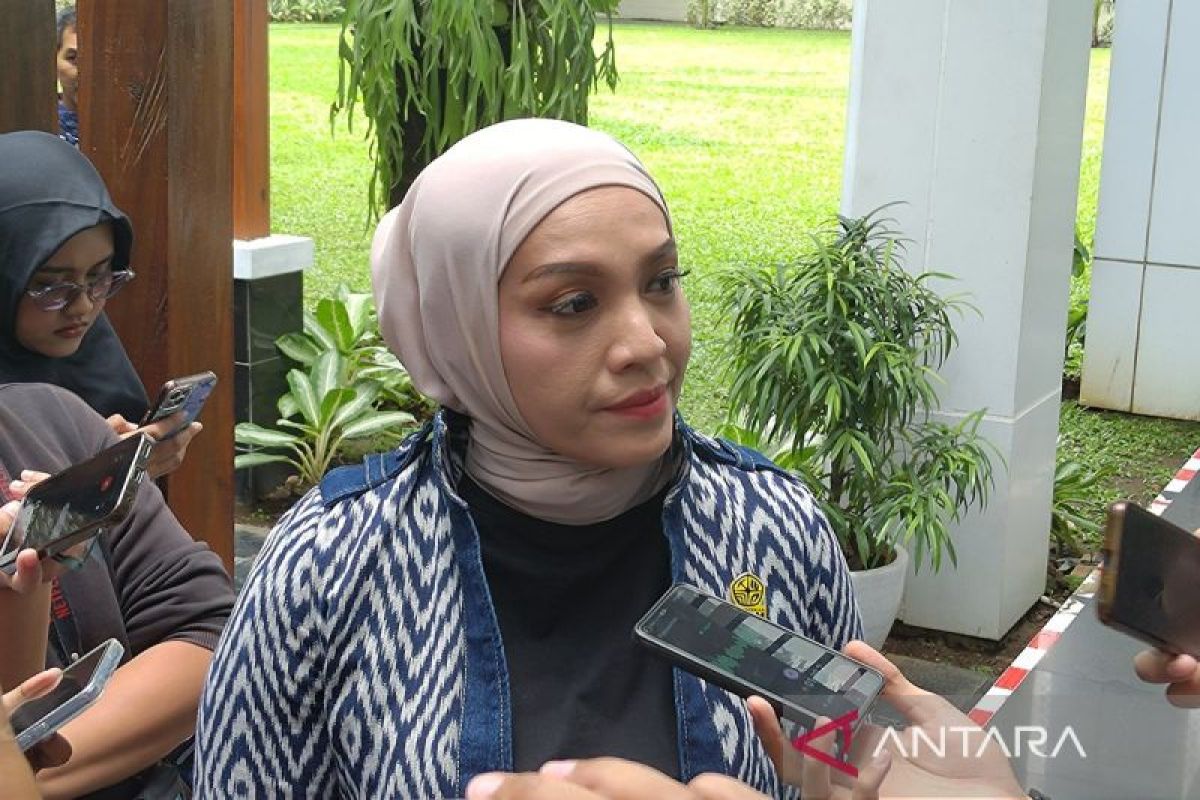
Indonesia's coordination for vessel safety, as detailed by Antara News on March 29, exemplifies this. As the world's largest archipelagic state and a top oil importer, Jakarta dispatched diplomatic notes to Tehran, securing assurances for its tankers. This isn't passive defense—it's assertive multilateralism, leveraging Indonesia's G20 presidency experience and ASEAN neutrality to prioritize economic continuity.
Pakistan's role is equally telling. Khaama Press reported Iran allowing 20 more ships through the strait, crediting Islamabad's negotiations. This follows Pakistan's delicate balancing act: a Muslim-majority neighbor to Iran with U.S. ties via counterterrorism aid, yet economically intertwined via the China-Pakistan Economic Corridor. By facilitating passages, Pakistan mitigates risks to its trade, which relies on Gulf oil for refineries.
These maneuvers reduce global trade vulnerabilities without full alignment. Data from the specific Iranian concession illustrates success: averting a full blockade could prevent oil prices from spiking 20-30%, per historical analogs. Original analysis suggests a burgeoning "brokerage model." Indonesia and Pakistan could form ad-hoc coalitions with Brazil, South Africa, or Turkey—non-aligned giants outside NATO or SCO blocs. Social media reflects this: Pakistani users on Dawn.com comments hailed it as "quiet wins for the Global South," while Indonesian forums buzz with pride in "independent foreign policy."
This model gains traction amid Western paralysis. Unlike the U.S.-led coalitions of yore, these nations emphasize de-escalation via economics—offering Iran trade incentives in exchange for safe passage—potentially elevating their UN Security Council bids and WTO influence.
(Word count so far: 1,478)
Original Analysis: The Implications for Global Trade and Alliances
Iran's internal power struggles, voiced by Ghalibaf's accusations of U.S. duplicity, are paradoxically empowering these newcomers. As Philenews reports, rifts between hardliners and pragmatists deepen under war and economic strain, making Iran more amenable to neutral brokers. Note the strain on supply chains in our report on One Month of Iran War Middle East Strikes.
For global trade, Hormuz disruptions threaten $1 trillion in annual flows. Emerging nations' interventions stabilize this, but parallels to the 1960s Non-Aligned Movement abound: then, it was anti-colonial; now, it's anti-disruption. Without quantified data, qualitative impacts loom: Pakistan could reroute via Gwadar port, boosting CPEC; Indonesia might accelerate green energy shifts.
Broader implications fragment alliances. U.S.-Russia-China triangles strain—Iran's concessions to Spain (March 26) hint at EU wedges. Trump's 2028 VP calculus (Vance vs. Rubio, per Dawn) ties domestic politics to escalation risks, while CNN warns of Iran's nuclear dash if cornered. Emerging powers could redefine norms, fostering "neutral lanes" in chokepoints like Hormuz or Malacca.
Catalyst AI Market Prediction
The World Now Catalyst AI forecasts market turbulence from Hormuz risks:
- SPX: Predicted - (high confidence) — Causal mechanism: Oil surge from Mideast threats raises input costs, fueling risk-off equity rotation. Historical precedent: April 2024 Iran strikes SPX -2% in 48h. Key risk: Earnings beats overshadow macro.
- TSM: Predicted - (medium confidence) — Causal mechanism: Risk-off hits semis via broader tech selloff on oil shock. Historical precedent: April 2024 tensions TSM -4% in 48h. Key risk: AI demand insulates.
Predictions powered by [The World Now Catalyst Engine](https://www.the-world-now.com/catalyst). Track real-time AI predictions for 28+ assets.
(Word count so far: 1,852)
Future Projections: What Lies Ahead in Iran-US Relations
If tensions escalate—say, U.S. ground ops materialize—emerging nations may formalize mediator roles. By late 2026, new forums like an "Hormuz Neutrality Pact" could emerge, with Indonesia hosting summits. Risks include Iran accelerating nuclear pursuits (CNN analysis), prompting independent sanctions from Pakistan or Indonesia—potentially a 2027 neutral bloc that de-escalates or fragments trade.
Economic incentives for Pakistan, like joint refineries, offer de-escalation paths. Watch dates: April 2026 UN sessions; Q2 oil contracts.
(Word count so far: 1,978)
Conclusion: A New Era of Geopolitical Balance
Emerging nations like Indonesia and Pakistan are pivoting Iran's crisis toward multipolarity, their maneuvers a unique counterpoint to superpower brinkmanship. From March 2026's escalations to today's concessions, they've asserted leverage, stabilizing trade amid rifts.
Proactive strategies—multilateral talks, economic pacts—are essential to avert catastrophe, echoing history's lessons in non-alignment for a balanced future.