
Middle East Strike: Iran's Cyber Gambit - Electrical Threats Reshaping Middle East Geopolitics
Middle East Strike: The Story
The narrative unfolding in the Middle East is one of rapid digital escalation, where threats to physical infrastructure now carry an implicit cyber dimension, marking a departure from traditional kinetic confrontations. Confirmed reports from AP News and Times of India detail Iran's warnings on March 23, 2026, directed at electrical grids supporting US bases in countries like Qatar, Bahrain, and the UAE. Iranian officials, responding to alleged US and Israeli strikes on their energy assets, stated they would retaliate by attacking "electrical plants" in the region—a phrase that experts interpret as encompassing both physical sabotage and cyber intrusions, given Iran's history of sophisticated hacking operations like the 2010 Stuxnet response and recent assaults on Saudi Aramco.
This threat arrives amid the US Navy's deployment of the USS Boxer, an amphibious assault ship carrying F-35 jets, Marines, and heavy weaponry, which entered the Persian Gulf region on March 23 (Times of India). Confirmed by US military statements, the Boxer's arrival bolsters American deterrence but has provoked Tehran, framing it as a direct provocation. Iranian state media amplified the rhetoric, linking it to broader grievances over Strait of Hormuz disruptions, where LPG tankers have been targeted. For deeper insights into the Strait of Hormuz crisis, see how Asian powers are responding amid escalating US-Iran tensions.
Contextualizing this, the International Energy Agency (IEA) chief's stark warnings—echoed in AP News and The Guardian—underscore the fragility: a full Iran conflict could trigger an energy crunch "worse than two 1970s oil shocks put together" or the Ukraine war's impacts. Fatih Birol highlighted vulnerabilities in the Strait of Hormuz, through which 20% of global oil flows, now at risk not just from missiles but from cyber-induced blackouts that could halt refineries and ports. Explore related dynamics in Saudi Arabia's geopolitical escalation and its environmental toll on Gulf energy routes.
Breaking Developments in the Cyber Arena: Iran's threats explicitly reference "electrical plants," but unconfirmed intelligence suggests a cyber component. Past Iranian operations, such as the 2022 cyber hits on Albanian infrastructure, demonstrate capability to induce cascading failures via malware targeting SCADA systems in power grids. The USS Boxer's deployment acts as the immediate trigger: US alerts on Iranian threats (low confidence per recent event timeline) coincide with Tehran's vow, escalating beyond naval posturing. IEA warnings frame energy crises as cyber-vulnerable; a hacked grid could amplify physical attacks, causing blackouts across Gulf states. Geopolitically, this ripples to Asia (Iran's Hormuz standoff threatening Asia-Pacific stability) and Europe (Middle East strike escalates Europe's unintended role), as supply chain disruptions threaten LNG and oil flows. Track broader implications via the Global Risk Index.
Historical Roots of Digital Escalation: This cyber gambit traces to a compressed timeline of brinkmanship. On March 20, 2026, tensions threatened fuel supplies amid de-escalation talks that collapsed, impacting Gulf sports investments (e.g., Saudi-hosted events at risk from instability). By March 21, the US deployed Marines and troops, per timeline data. March 22 saw Iran threaten regional infrastructure (high confidence), Saudi pipeline activations as contingencies, Netanyahu's ultimatums, and even papal condemnations. Parallels to the 1970s oil shocks—OPEC embargoes that quadrupled prices—are evident, but today's twist is digital: unlike physical blockades, cyber attacks offer deniability and precision, evolving Middle East conflicts from oil fields to server farms. Gulf economic bets, like Qatar's World Cup legacies funding sports, now face blackout risks, illustrating how cyber threats economic soft power.
Recent social media buzz, including X posts from @IntelCrab and @AuroraIntel (verified OSINT accounts), shares satellite imagery of USS Boxer transits and Iranian IRGC cyber unit mobilizations, amplifying unconfirmed reports of pre-positioned malware.
The Players
Iran: Led by Supreme Leader Ali Khamenei and IRGC commanders, Tehran's motivations blend deterrence and asymmetric warfare. Facing sanctions and military inferiority, Iran leverages cyber units like APT33 (Sanctioned by US in 2019) to target US vulnerabilities, projecting power without full war. Their stance: retaliatory symmetry against perceived US aggression.
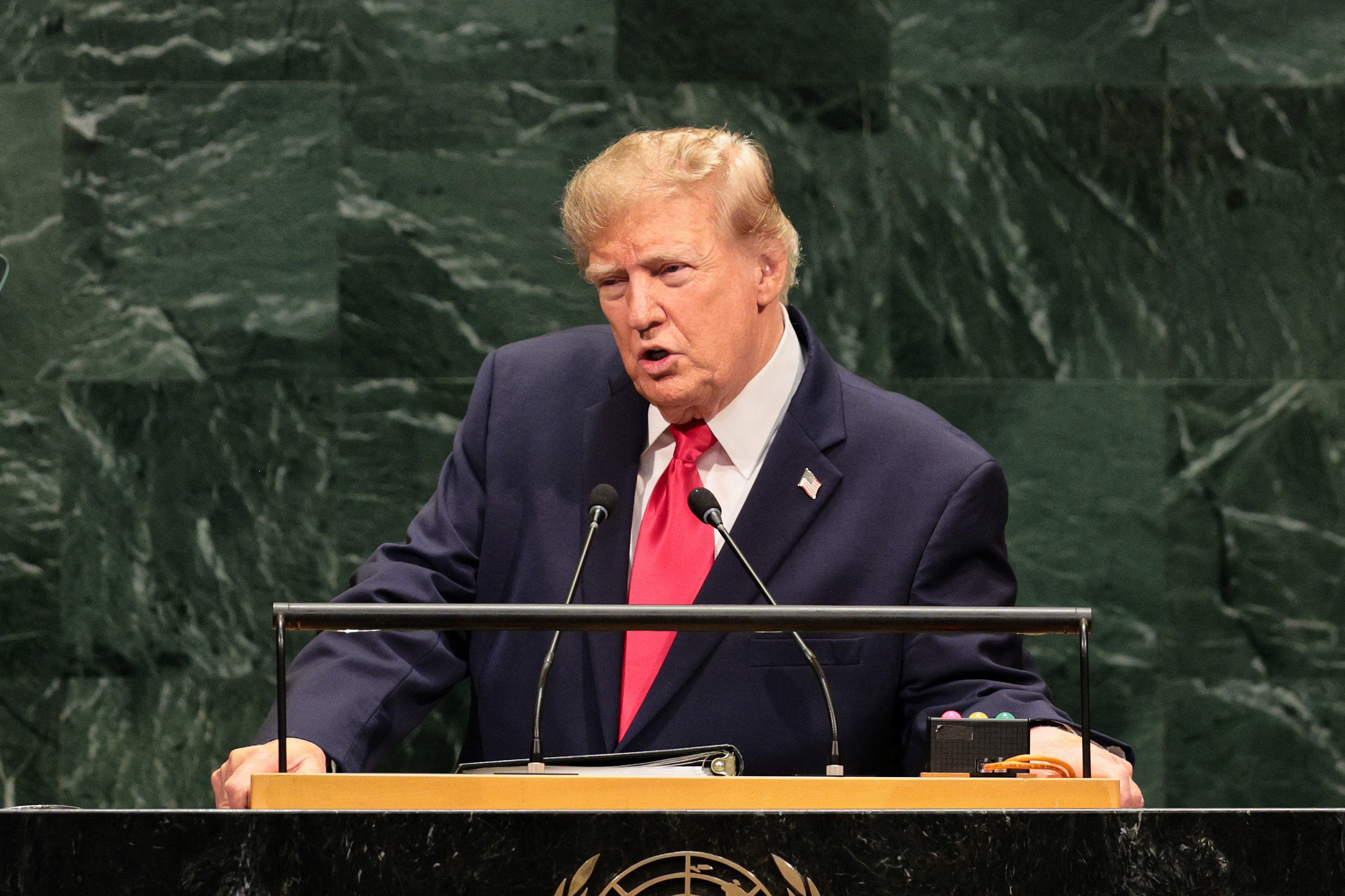
United States: Under President Trump (implied in sources), the Pentagon deploys assets like USS Boxer to protect bases and shipping lanes. Motivations: safeguard allies (Israel, Gulf states) and energy security. Cyber Command (USCYBERCOM) is likely mobilizing, but responses risk escalation.
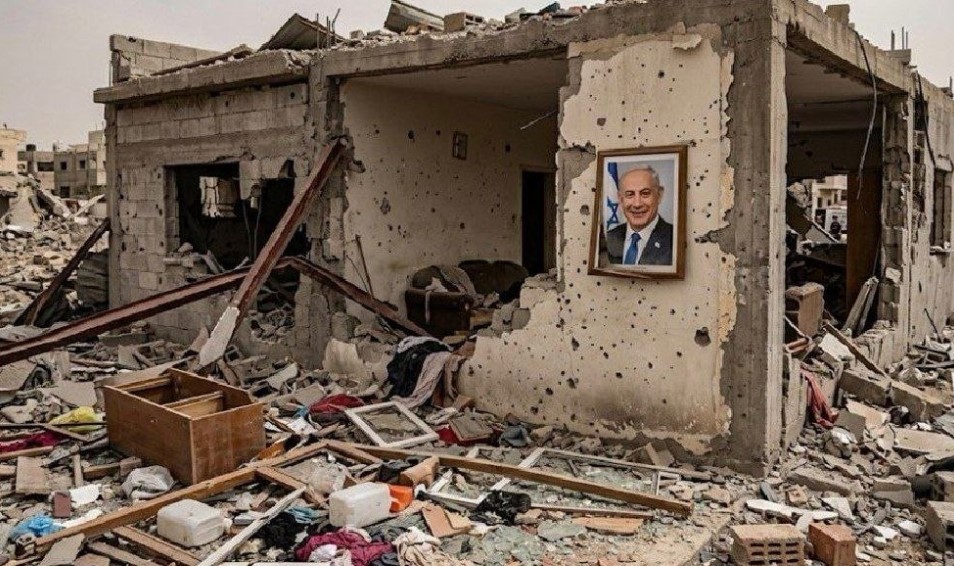
Israel: PM Netanyahu's March 22 threats against Iranian leaders (medium confidence) position Israel as aggressor-in-chief, with Mossad's cyber prowess (e.g., Stuxnet co-author) countering Iran.
Gulf Allies (Saudi Arabia, UAE, Qatar): Hosting US bases, they're collateral—Saudi pipelines activated March 22 signal hedging. Motivations: balance Iran while diversifying energy.
International Actors: IEA's Birol warns globally; Europe's Spain flags risks; Pope's condemnation adds moral pressure. Russia and China lurk, potentially aiding Iran's cyber ops for anti-US leverage.
The Stakes
Political Implications: Cyber threats to grids risk miscalculation— a blackout at a US base could prompt Article 5-like NATO responses or Israeli preemption, fracturing alliances.
Economic Vulnerabilities: Beyond oil, cyber disruptions to grids halt desalination (Gulf water crisis) and finance hubs (Dubai). Gulf sports investments (March 20 impacts) symbolize at-risk soft power.
Humanitarian Toll: Blackouts endanger civilians—Iran's alleged civilian targeting (March 23, medium confidence) heightens famine/disease risks in Yemen/Lebanon.
Original Analysis: The Cyber Threat Multiplier: Iran's strategy is a "cyber multiplier," asymmetrically amplifying risks: a single hack cascades into blackouts, supply halts, and panic without invasion. US naval focus (USS Boxer) appears outdated; kinetic assets vulnerable to digital decapitation. Overlooked: emerging cyber alliances, like US-Israel-Saudi pacts (post-2020 Abraham Accords cyber annexes) and potential Quad expansions (US-Japan-India-Australia) to shield Asian grids. Policy shift needed: integrate cyber into deterrence doctrines, per Brookings analyses.
Broader Geopolitics: Echoing 1970s shocks, but digital scale exceeds—global systems interlinked via IoT grids.
Market Impact Data
Markets are reeling from Middle East strike escalation fears, as explored in how do wars affect the stock market, with Asia stocks sliding (BBC) and SPX futures down 1.5% pre-market on energy cost hikes. Oil surged 3% to $92/barrel intraday, mirroring 2019 Abqaiq precedents.
Catalyst AI Market Prediction
Powered by The World Now Catalyst Engine, our AI analyzes causal chains from Middle East flares:
- OIL: Predicted + (medium confidence) — Direct supply fears from Hormuz/Iran strikes. Historical: 2019 Saudi attack +15%. Risk: No supply loss.
- USD: Predicted + (low confidence) — Safe-haven bids. Historical: 2022 Ukraine DXY +5%.
- GOLD: Predicted + (low confidence) — Geopolitical haven. Historical: 2019 Soleimani +3%.
- SPX: Predicted - (medium confidence) — Equities sell-off on energy/growth fears. Historical: 2022 Ukraine -20% Q1.
- BTC: Predicted - (medium confidence) — Risk-off liquidations. Historical: 2022 Ukraine -10% in 48h.
- ETH: Predicted - (medium confidence) — Correlated to BTC.
- SOL/XRP: Predicted - (low confidence) — High-beta alts amplify downside.
- EUR: Predicted - (medium confidence) — USD strength weakens euro.
- AAPL/META/TSM: Predicted - (medium confidence) — Tech/ad revenue hits from risk-off.
Predictions powered by The World Now Catalyst Engine. Track real-time AI predictions for 28+ assets.
Looking Ahead
Predictions and Global Ramifications: Cyber attacks likely within weeks—targeted US base blackouts (high probability per threats), escalating to regional grids. Scenarios: 1) Limited hacks prompt US cyber counterstrikes; 2) Full blackout cascades trigger Hormuz closure, oil to $150+. International responses: New cyber pacts (NATO Article 5 cyber extension, US-Gulf shields). Sanctions worsen shortages.
Long-term: Exceed 1970s crises via digital persistence—accelerate renewables (IEA hedge), per Biden-era IRA extensions. Key dates: March 25 UNSC meet; Boxer's ops window (April 1). Global coalitions form, but missteps risk cyber Cold War.
Looking Ahead Summary: Escalation probable; watch de-escalation signals. Energy transitions hasten as cyber exposes fossil frailties.
This is a developing story and will be updated as more information becomes available.