
Current Wars in the World: Iran's Hormuz Standoff – The Hidden Threat to Asia-Pacific Financial Stability
By the Numbers
The Strait of Hormuz handles 21 million barrels of oil daily—roughly 21% of global petroleum liquids consumption (U.S. Energy Information Administration data). A closure could spike Brent crude by 20-30% within days, per historical precedents, aligning with our oil price forecast models. Asia-Pacific markets reacted swiftly: Seoul's KOSPI index opened 2.3% lower on March 23 amid "renewed energy price woes" (Yonhap), while broader Asia shares skidded 1.5-2% across indices like Japan's Nikkei and Hong Kong's Hang Seng (Channel News Asia). Yields on 10-year Asian bonds rose 15-20 basis points as investors sought safety. Track escalating risks via our Global Risk Index.
Crypto and equities signal risk-off: Bitcoin (BTC) dipped 4% intraday to $58,000, Solana (SOL) fell 6%, and S&P 500 (SPX) futures slid 1.2%. Oil futures surged 5% to $85/barrel. The U.S. Dollar Index (DXY) climbed 0.8%, while EUR weakened 0.5%. Taiwan Semiconductor (TSM) and Meta (META) shares dropped 2-3% on supply chain fears. Gold gained 1.2% to $2,450/oz. These moves echo 2022 Ukraine invasion patterns, where SPX lost 20% in Q1 and BTC 10% in 48 hours. Human cost: 85 million people in Gulf desalination-dependent areas face water shortages if Iran's "water war" threats materialize (UN estimates), with Asia's 4.5 billion residents—many in oil-importing nations—bracing for $0.50-$1/gallon fuel hikes, exacerbating urban poverty.
Recent timeline impacts: High-confidence events like Trump's March 22 threats correlated with 3% oil volatility spikes. Medium-confidence Kharg Island ops rumors added 1% to regional bond yield pressures.
Current Wars in the World: What Happened
The crisis crystallized over a frantic 48 hours in mid-March 2026, building on a fragile diplomatic timeline. On March 8, Iran issued "Diplomatic Assurances" amid US-Iran Nuclear Security Talks, aiming to de-escalate nuclear tensions and stabilize oil markets amid rising prices. These talks, hosted in Oman, sought mutual non-aggression pacts, with Iran pledging no mine-laying in the Strait. Yet, by March 10, IRGC propaganda broadcasts blamed the U.S. and Israel for "economic sabotage," framing Hormuz threats as defensive. See how these current wars in the world are unfolding with civilian impacts.
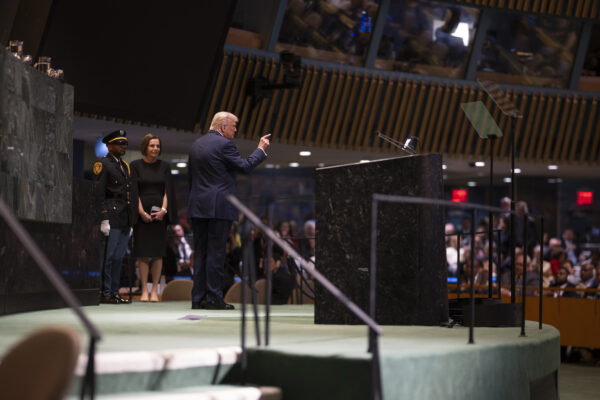
Escalation accelerated on March 11 when the U.S. publicly warned Iran over detected Strait mines, echoing 2019 tanker incidents. Fast-forward to March 19: Europe backed U.S. positions, Trump threatened Iran's South Pars gas field, and U.S. Marines prepped Hormuz contingency plans. By March 22—the crisis's apex—Trump issued a 48-hour ultimatum via video (CNN), vowing to "obliterate" Iranian power plants if the Strait wasn't reopened, while Netanyahu urged global leaders to join an anti-Iran coalition (Scroll.in).
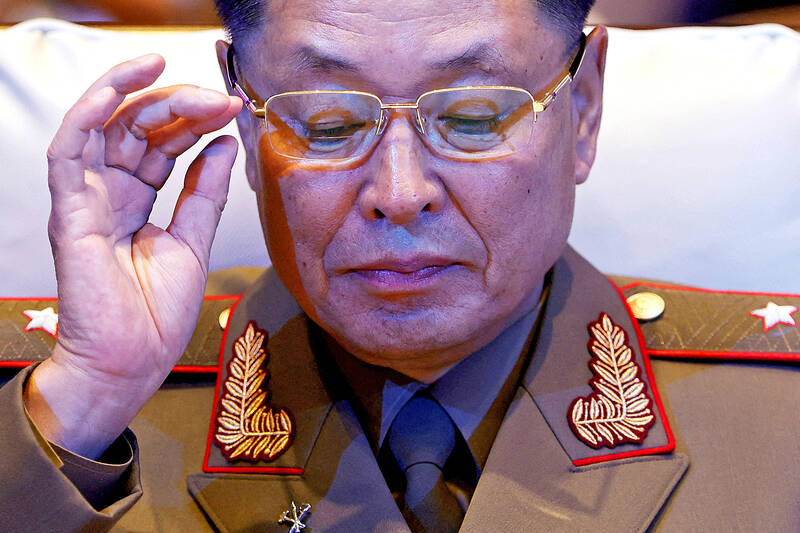
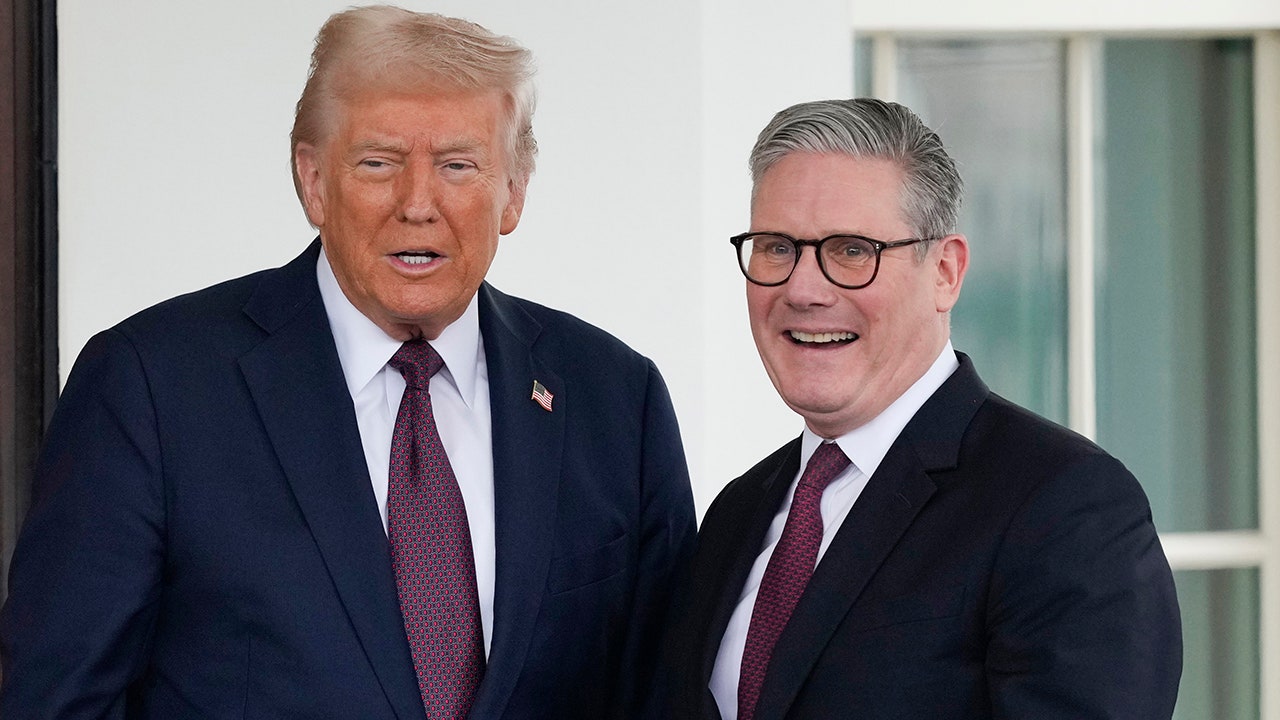
Iran retaliated swiftly: Officials threatened to close the Strait (Times of India), target Gulf energy infrastructure, desalination plants, and launch a "mass water war" (Fox News, Rappler). UN officials warned strikes could hit key plants "in days." Israeli media reported U.S. deliberations on seizing Kharg Island—Iran's oil export hub handling 90% of its crude (Anadolu Agency). Starmer echoed Trump, insisting the Strait "must reopen" (Fox News). DSnews revealed Iran's "no capitulation" plans, signaling prolonged defiance. Explore regime dynamics in current wars in the world.
Asia felt the shockwaves immediately: Seoul stocks plunged on March 23 (Yonhap), Asia shares skidded (Channel News Asia). Social media buzzed—#HormuzCrisis trended with 2.5M posts on X, including IRGC-linked accounts posting mine imagery and South Korean traders lamenting "energy Armageddon." Confirmed: Trump's deadline (March 22), Iran's threats (multiple outlets), market dips. Unconfirmed: Actual mine deployments or Kharg ops (Israeli media speculation).
This sequence humanizes the stakes: Gulf fishermen and tanker crews risk lives in contested waters, while Asian factory workers face layoffs from costlier energy.
Historical Comparison
This standoff mirrors cyclical Persian Gulf tensions, where diplomatic breakthroughs crumble into brinkmanship. The March 8, 2026, talks recall the 2015 JCPOA nuclear deal, which briefly stabilized oil at $50/barrel before U.S. withdrawal in 2018 spiked prices 50%. IRGC propaganda on March 10 echoes 1980s Tanker War propaganda, when Iran mined Hormuz, sinking 500+ ships and doubling oil prices.
U.S. threats over mines (March 11) parallel Operation Praying Mantis (1988), where Reagan's retaliation sank Iranian vessels, briefly closing the Strait. Trump's 48-hour deadline evokes his 2020 Soleimani strike, which jumped oil 4% intraday. Kharg Island ops rumors nod to 1980s U.S. seizures of Iranian rigs. Patterns emerge: Rapid breakdown (diplomacy to threats in 3 days), chokepoint leverage (Hormuz caused 1979 oil shock, +150% prices), and asymmetric retaliation (Iran's water/energy threats akin to 1991 Gulf War Scud attacks).
Unlike 2019 Abqaiq attacks (15% oil spike, quick recovery), 2026's nuclear overlay and Trump-Starmer unity suggest prolonged volatility. Asia-Pacific precedent: 1973 Yom Kippur War oil embargo crushed Japan's export boom, widening U.S.-Asia inequality gaps that persist. Today's Seoul dips forecast similar: Energy importers like South Korea (95% oil imported) suffer more than exporters, amplifying regional divides.
AI Prediction
The World Now Catalyst AI analyzes 28+ assets, drawing causal mechanisms from historical data. Key predictions amid Hormuz risks:
- OIL: + (medium confidence) — Direct supply fears from Hormuz strikes; 2019 Abqaiq precedent +15% in a day. Risk: No confirmed losses.
- USD: + (low confidence) — Safe-haven flows; 2022 Ukraine DXY +5%. Risk: De-escalation.
- GOLD: + (low confidence) — Geopolitical haven; 2019 Soleimani +3%. Risk: Dollar strength.
- BTC: - (medium confidence) — Risk-off liquidations; 2022 Ukraine -10% in 48h. Risk: Rebound headlines.
- ETH: - (medium confidence) — Beta to BTC; 2022 mirror drop. Risk: ETF flows.
- SOL: - (low confidence) — High-beta alt; 2022 -15%. Risk: Memes.
- XRP: - (low confidence) — Altcoin cascade; 2022 -12%. Risk: Regulation.
- SPX: - (medium confidence) — Equities selloff; 2022 Q1 -20%. Risk: Fed reassurance.
- EUR: - (medium confidence) — Vs. USD haven; 2022 -10%. Risk: ECB tightening.
- AAPL: - (medium confidence) — Consumer risk-off; 2022 -5%. Risk: Services.
- META: - (medium confidence) — Ad sensitivity; 2022 Q1 -15%. Risk: Engagement.
- TSM: - (medium confidence) — Tech/oil fears; 2022 -10%. Risk: AI demand.
Predictions powered by The World Now Catalyst Engine. Track real-time AI predictions for 28+ assets.
What's Next
If Iran's deadline passes without compliance, expect U.S. airstrikes on power/desal plants (high probability, per Trump rhetoric), triggering Strait partial closure and oil at $100+. Broader sanctions could freeze $100B Iranian assets, per 2018 models. Asia-Pacific volatility sustains: KOSPI -5-10% downside if oil +20%, hitting exporters like South Korea (electronics) and Taiwan (semis), widening inequality—urban middle class buffers via savings, but rural/migrant workers face 10-15% inflation erosion.
Triggers to watch: UN emergency talks (March 24 possible, Starmer push); Asian-U.S. alliances for shipping escorts (Japan/South Korea likely join); Kharg ops greenlight (medium confidence). Diplomatic off-ramps: Oman-mediated nuclear revival. Secondary effects: Accelerated Asian energy diversification—South Korea's LNG push could cut oil reliance 20% by 2030, reshaping trade. Recession risk in import-heavy ASEAN (5% GDP hit modeled). Human angle: Millions in Manila, Seoul face blackouts; proactive diplomacy by Asian powers (e.g., Seoul in ASEAN forums) absent so far, contrasting Western activism—urging diversification investments now.
Optimistic scenario: De-escalation headlines rebound markets 3-5% (BTC risk-on). Pessimistic: Water wars cascade, +50% energy costs, Asia recessions. Regional stability hinges on collective Strait patrols. Monitor our Global Risk Index for live updates on these current wars in the world.
This is a developing story and will be updated as more information becomes available.
Catalyst AI Market Prediction
Our AI prediction engine analyzed this event's potential market impact:
- EUR: Predicted - (medium confidence) — Causal mechanism: Risk-off weakens EUR vs USD haven. Historical precedent: 2022 Ukraine DXY rise weakened EUR ~10%. Key risk: ECB signals aggressive tightening.
- SOL: Predicted - (low confidence) — Causal mechanism: High-beta altcoin amplifies BTC downside in liquidation cascades. Historical precedent: Feb 2022 Ukraine saw SOL drop >15% in days. Key risk: meme-driven rebound.
- BTC: Predicted - (medium confidence) — Causal mechanism: Risk-off sentiment from Middle East escalations triggers crypto liquidation cascades as leveraged positions unwind. Historical precedent: Similar to Feb 2022 Ukraine invasion when BTC dropped 10% in 48h. Key risk: sudden de-escalation headlines sparking risk-on rebound.
- SPX: Predicted - (medium confidence) — Causal mechanism: Global equities sell off on risk-off flows from Iran/Israel strikes threatening energy costs and growth. Historical precedent: Similar to 2022 Russian invasion when SPX dropped 20% in Q1. Key risk: policy reassurances from Fed on rate holds mitigating downside.
- USD: Predicted + (low confidence) — Causal mechanism: Safe-haven bids strengthen USD as global investors flee risk amid Middle East flares. Historical precedent: Feb 2022 Ukraine invasion saw DXY rise ~5% in weeks. Key risk: coordinated de-escalation reducing haven demand.
- XRP: Predicted - (low confidence) — Causal mechanism: Altcoin beta to BTC in risk-off cascades. Historical precedent: Feb 2022 Ukraine XRP -12% in days. Key risk: regulatory clarity rumor.
- OIL: Predicted + (medium confidence) — Causal mechanism: Direct supply fears from Hormuz/Iran strikes disrupt flows. Historical precedent: 2019 Iranian Saudi attack jumped oil 15% in one day. Key risk: no actual supply loss confirmed.
- TSM: Predicted - (medium confidence) — Causal mechanism: Tech risk-off hits semis on growth fears from oil. Historical precedent: 2022 Ukraine TSM -10% initial. Key risk: AI demand insulation.
- META: Predicted - (medium confidence) — Causal mechanism: Ad revenue sensitivity to risk-off economic fears. Historical precedent: 2022 Ukraine META -15% Q1. Key risk: user engagement surge.
- ETH: Predicted - (medium confidence) — Causal mechanism: Correlated risk-off selling with BTC as alts amplify beta to headlines. Historical precedent: Feb 2022 Ukraine drop mirrored BTC's 10% decline. Key risk: ETH-specific ETF flow reversal.
- GOLD: Predicted + (low confidence) — Causal mechanism: Safe-haven flows into gold accelerate on acute geopolitical uncertainty. Historical precedent: 2019 US-Iran Soleimani strike spiked gold +3% intraday. Key risk: dollar surge capping gains via opportunity cost.
- AAPL: Predicted - (medium confidence) — Causal mechanism: Consumer discretionary risk-off amid oil inflation. Historical precedent: 2022 Ukraine AAPL -5% short-term. Key risk: services growth buffer.
Predictions powered by The World Now Catalyst Engine. Track real-time AI predictions for 28+ assets.