MIDDLE EAST CONFLICT UPDATE: Iran Launches Hundreds of Shahed Drones in Major Regional Escalation
Current Situation
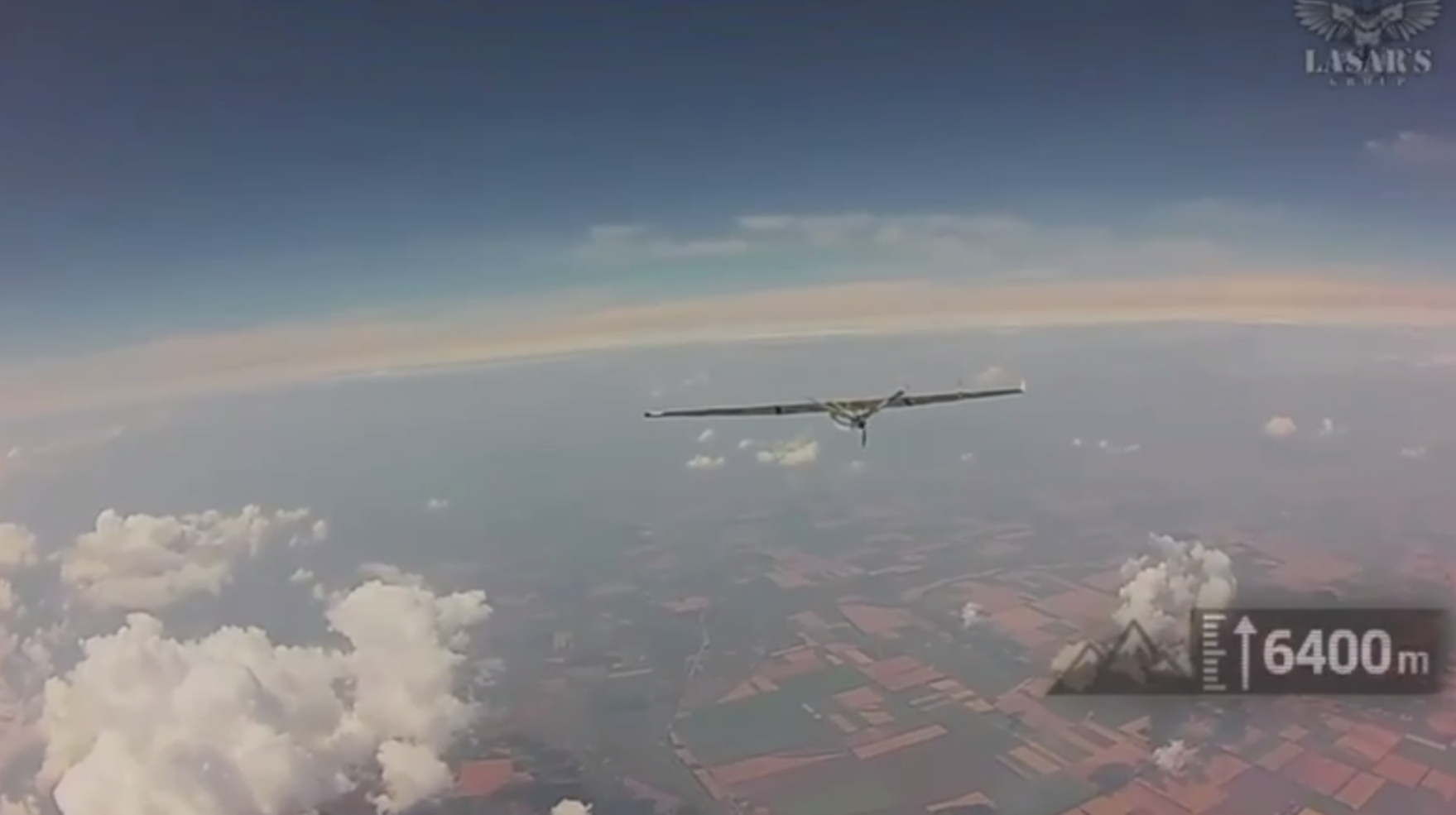
Iran's Islamic Revolutionary Guard Corps (IRGC) confirmed the deployment of over 300 low-cost Shahed 136 kamikaze drones late March 1, aimed at Israeli, U.S., and allied positions in Iraq, Syria, and Jordan, per The Guardian. Initial reports indicate at least 12 drones intercepted by Israeli Iron Dome systems, with unconfirmed strikes causing minor damage to a U.S. base near Baghdad. No immediate casualties reported from the drone wave, but air raid sirens blared across Israel and Jordan.
Simultaneously, Anadolu Agency reports UN Secretary-General António Guterres voicing "deep concern" over 1,200 civilian deaths in the past week alone, including 400 in Gaza and 300 in Lebanon from cross-border fire. Confirmed: Iranian state media aired footage of drone launches from western Iran. Unconfirmed: Claims of drone hits on Tel Aviv outskirts, denied by IDF spokespeople.
Evacuations continue in border areas, with 50,000 displaced since February 28.
Background
This barrage follows a compressed timeline of escalation:
- January 30, 2026: Initial Middle East conflict surge after Hezbollah rocket attacks on northern Israel kill 15, prompting Israeli airstrikes on Beirut suburbs.
- February 28, 2026: Dual crises—widespread evacuations in Syria and Jordan amid U.S.-backed operations against Iranian proxies; Iran retaliates with ballistic missiles on U.S. assets in eastern Syria, killing three American troops.
- March 1, 2026: Reports warn of regional powers' involvement, as Saudi Arabia mobilizes defenses and Turkey condemns "proxy chaos."
Rooted in the October 2023 Israel-Hamas war, Iran's "Axis of Resistance" has intensified proxy attacks, but direct drone swarms mark a new threshold, echoing 2024 Houthi Red Sea disruptions.
Analysis
Experts view this as Iran's bid to overwhelm defenses through sheer volume, compensating for precision-strike gaps. "Shaheds are cheap attrition weapons—$20,000 each versus millions to intercept," says Brookings Institute analyst Daniel Byman. This matters now: It tests U.S.-Israel air superiority while straining alliances. For stakeholders—Israel faces multi-front threats; Iran risks isolation if proxies falter; civilians bear the brunt, with UN data showing 70% of deaths non-combatants.
Unique angle: Unlike prior barrages, this drone flood targets a broader arc, signaling Iran's shift from proxy restraint to overt confrontation, potentially inviting NATO escalation.
What People Are Saying
Social media erupts: @IDF (verified) tweeted, "All threats neutralized—ironclad defense holds." Iranian user @IRGCfan posted a video of launches, garnering 2M views: "Zionist end near!" UN's @antonioguterres: "Escalation imperils global stability." U.S. Rep. @mtgreenee: "Time for maximum pressure on Iran—bomb their facilities!"
What to Watch
- Israeli/U.S. counterstrikes within 48 hours, possibly targeting IRGC bases.
- Houthi/Syrian proxy responses by March 3.
- UN Security Council emergency session March 4—veto risks loom.
- Oil prices spiking 15%+ if Strait of Hormuz threatened.
This is a developing story and will be updated as more information becomes available.
(598 words)





:quality(30):format(webp):focal(0.5x0.5:0.5x0.5)/aceh/foto/bank/originals/Foto-Ilustrasi-Kapal-komersial-di-Laut-Kaspia.jpg)