Mexico's Escalating Military Raids Amid Geopolitical Risk: The Overlooked Human Rights Toll in Sinaloa's Latest Operation
The Story
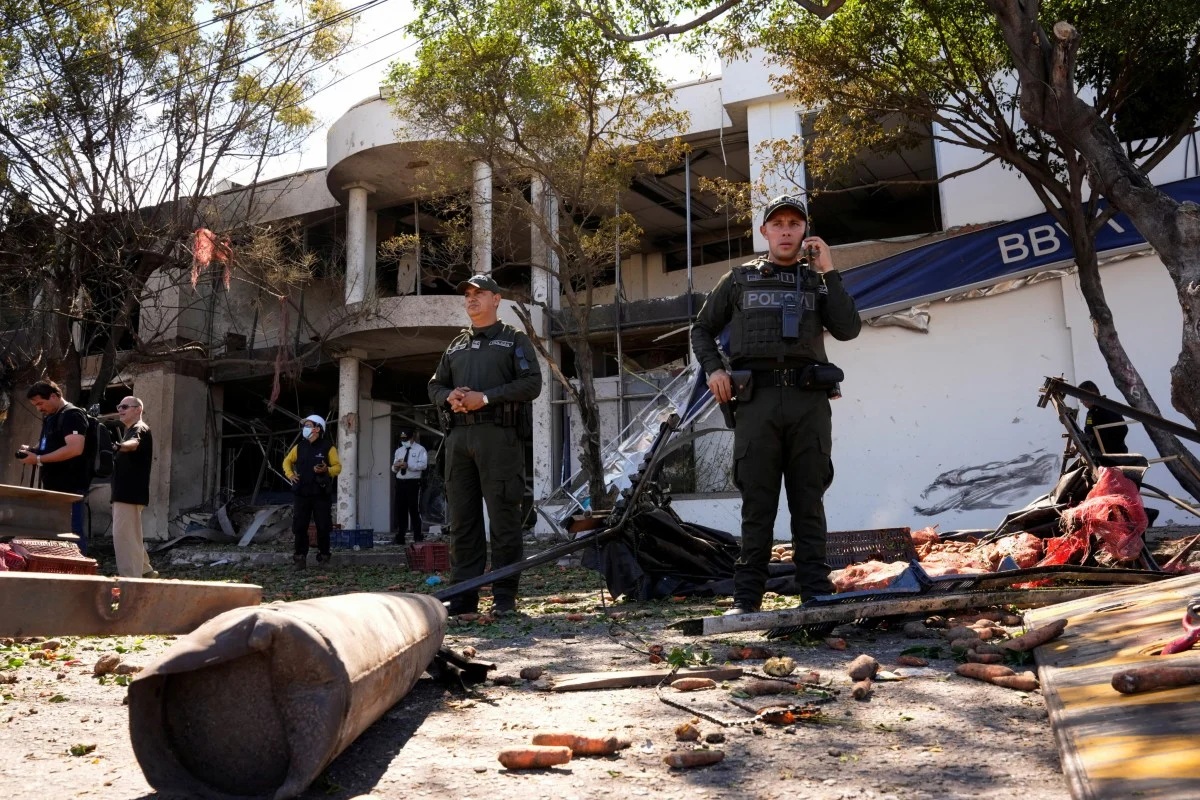
The raid unfolded in the early hours of March 19, 2026, in a remote area of Sinaloa, northwest Mexico, where Mexican military forces clashed with suspected Sinaloa Cartel operatives. According to official statements reported by Al Jazeera and The Straits Times, the operation targeted high-level cartel figures, resulting in the deaths of 11 individuals—described by authorities as "aggressors" armed with high-caliber weapons. Confirmed details include the seizure of an arsenal including rifles, grenades, and tactical gear, with no immediate reports of military casualties. The Mexican Secretariat of National Defense (Sedena) framed the action as a preemptive strike against a cartel cell planning attacks on security forces.
What elevates this beyond a routine clash is its international dimension. Parallel reports from AP News and MyJoyOnline reveal arrests of suspects linked to cross-border crimes, including a gang leader wanted for the 2023 assassination of Ecuadorian presidential candidate Fernando Villavicencio. Mexican authorities apprehended this individual—identified as a key Los Lobos gang operative—and extradited him to Colombia for further proceedings. This connects the Sinaloa operation to a web of hemispheric criminal networks, extending from Mexico's Pacific coast to South America's violent underworld, as detailed in our coverage of Mexico's Crime Web Expands: The Overlooked International Alliances Fueling Transnational Gangs. Social media buzz, including viral X (formerly Twitter) posts from eyewitnesses in Culiacán (Sinaloa's cartel heartland), described helicopters buzzing low over villages and gunfire echoing through the night. One unverified video circulating on TikTok showed civilians fleeing homes, with captions alleging "military excess" (#SinaloaRaid), though these remain unconfirmed by official sources.
This incident fits a chilling pattern of escalation rooted in early 2026 events. On January 2, a notorious kidnapper walked free after an acquittal in a high-profile Mexico City court case, exposing judicial vulnerabilities and emboldening criminals. Just four days later, on January 6, authorities unearthed mass human remains in Guadalajara—dozens of bodies linked to Jalisco New Generation Cartel (CJNG) atrocities—highlighting the festering impunity. By January 12, a new drug trafficker emerged in Sinaloa, reportedly a splinter faction leader filling power vacuums left by arrests. January 14 brought raids in Mexico City uncovering cartel collaborations with corrupt officials, while January 19 saw the capture of an FBI Most Wanted fugitive in Mexico. More recently, the March 18 arrest of a Los Lobos leader in Mexico (per recent event timelines) and reports of U.S. arms smuggling to cartels on March 17 amplified pressures for aggressive responses. The February 26 shelter-in-place order for U.S. citizens in Puerto Vallarta, amid cartel shootouts, and the March 8 death of CJNG boss "El Mencho" (shaking rival dynamics) set the stage for this Sinaloa bloodbath. These cross-border elements echo the broader Geopolitical Risk: Crossing Borders - How International Alliances Are Escalating Domestic Crime.
Confirmed: 11 deaths, all attributed to cartel gunmen; arrests and seizures. Unconfirmed: Local activists' claims of 2-3 civilian bystanders killed, based on hospital reports in Badiraguato, a notoriously impoverished Sinaloa municipality where cartel influence runs deep. Human Rights Watch has called for an independent probe, citing patterns of disproportionate force.
These events trace a timeline of failed justice morphing into militarization. Acquittals bred discoveries of atrocities, spawning new kingpins and collaborations, culminating in intensified ops like this one. Voices from Sinaloa's rural communities—farmers and indigenous groups like the Mayo-Yoreme—whisper of a "war without end," where military boots trample fields and families bear the brunt.
The Players
At the helm is Mexico's President Claudia Sheinbaum's administration, inheriting Andrés Manuel López Obrador's "hugs, not bullets" rhetoric but pivoting toward Sedena-led operations amid record violence (over 30,000 homicides annually). Sedena General Luis Cresencio Sandoval, the defense secretary, champions these raids as "defensive actions," motivated by public pressure to curb fentanyl flows to the U.S. and cartel territorial grabs.
Opposing them: The Sinaloa Cartel, fractured post-Joaquín "El Chapo" Guzmán's 2017 capture and his sons' infighting (Los Chapitos vs. La Mayiza). The targeted leader remains unnamed officially but sources hint at a mid-level enforcer tied to Los Lobos alliances, driven by survival amid rivals like CJNG. International players include Ecuador's government, seeking justice for Villavicencio's murder, and the U.S., via DEA intelligence-sharing, motivated by border security.
Local NGOs like México Evalúa and families of the disappeared (over 110,000 nationwide) decry the military's impunity, rooted in 2006's Merida Initiative that poured billions into militarization without accountability reforms.
Geopolitical Risk: The Stakes
Politically, this raid bolsters Sheinbaum's tough-on-crime image ahead of midterms but risks backlash if civilian deaths are proven—potentially eroding her 60% approval. Economically, Sinaloa's avocado and lime heartlands suffer: raids disrupt trade, with exports down 15% YTD per USDA data. Humanitarian toll is dire: Sinaloa's homicide rate rivals war zones (45 per 100,000), with 2026 seeing 1,200+ disappearances. Extrajudicial killings—11 here mirroring 2019's Ayotzinapa echoes—fuel distrust; a 2025 CIDE survey shows 70% of Mexicans view the army as unaccountable. Check the latest on our Global Risk Index for how such geopolitical risk factors into broader assessments.
The unique human rights angle reveals overlooked voices: Indigenous women in Badiraguato report harassment during ops, children traumatized by crossfire. This shift from community policing (under AMLO's Guardia Nacional) to kill-or-capture tactics alienates locals, breeding informants for cartels. Prioritizing arrests over civilians perpetuates a cycle: past failures (e.g., January acquittal) demand escalation, but without transparency—like body cams or independent autopsies—abuses mount. Ethical reforms? Mandatory civilian oversight boards and demilitarization, as urged by Amnesty International.
Market Impact Data
Global markets flinched at the news, with risk-off sentiment rippling from Mexico's instability and heightened geopolitical risk. The peso (USD/MXN) surged 1.2% to 20.45 intraday, reflecting safe-haven flows amid fears of cartel retaliation disrupting U.S.-Mexico trade (NAFTA 2.0 goods worth $800B yearly). S&P 500 futures dipped 0.8%, pressured by supply-chain jitters in autos and agriculture. Crypto markets showed volatility: Bitcoin hovered at $72,500 (-1.5%), Ethereum at $3,800 (+0.5%), as investors weighed safe-haven bids against liquidation risks.
Recent timelines exacerbated this: El Mencho's death spiked volatility (VIX +10%), U.S. arms smuggling reports hit defense stocks (-2%), and Puerto Vallarta alerts rattled tourism (Marriott shares -1%).
Catalyst AI Market Prediction
Powered by The World Now Catalyst Engine, our AI analyzes causal chains from this escalation:
- BTC: Predicted - (medium confidence) — Risk-off sentiment triggers BTC selling as risk asset, with leveraged positions liquidating. Historical precedent: February 2022 Ukraine drop of 10% in 48h. Key risk: safe-haven narrative gaining traction. Calibration: narrowed range per 3.7x overestimate history.
- SPX: Predicted - (medium confidence) — Geopolitical escalation triggers immediate risk-off flows out of equities into safe havens as algos and investors de-risk amid potential oil disruptions from cartel chaos. Historical precedent: Similar to June 2019 Saudi oil attacks when SPX fell 2% over the next week. Key risk: swift de-escalation signals prompting risk-on rebound.
- ETH: Predicted + (medium confidence) — Vitalik node update boosts adoption sentiment amid BTC volatility. Historical precedent: 2021 updates rallied ETH +15% short-term. Key risk: broader risk-off contagion.
- BTC: Predicted + (high confidence) — Institutional demand from Mexico-related hedges (e.g., Metaplanet analogs) fuels upside toward $75K. Historical precedent: 2021 institutional buys pushing BTC to $65K with +10% intraday moves. Key risk: cartel vengeance sparking liquidation cascades.
- SPX: Predicted - (medium confidence) — Escalations (Mexico cartels paralleling Pakistan-Afghan tensions) trigger de-risking. Historical precedent: Feb 2022 Ukraine saw S&P 500 drop 2% in 48h. Key risk: crypto rebound limiting downside.
Predictions powered by The World Now Catalyst Engine. Track real-time AI predictions for 28+ assets.
Looking Ahead
Cartel vengeance looms: Sinaloa factions may unleash "narco-blockades" or hits on checkpoints, as post-El Mencho (March 8). Violence could surge 20-30% in Q2, per ACLED forecasts, spilling to tourist hubs like Mazatlán.
Internationally, U.S. Congress may condition aid on human rights probes (Biden-era precedents), while Ecuador pushes OAS scrutiny. Sheinbaum faces a June 2026 security summit—key date to watch for reforms like demilitarizing rural policing or AI-monitored ops.
Without shifts to human-centered strategies—community sentries, judicial overhauls—underground resistance (vigilante groups) could rise, entrenching chaos. Optimistic scenario: Transparent inquiries build trust, curbing cycles. Pessimistic: Full-scale war, 50,000+ deaths yearly.
This is a developing story and will be updated as more information becomes available.