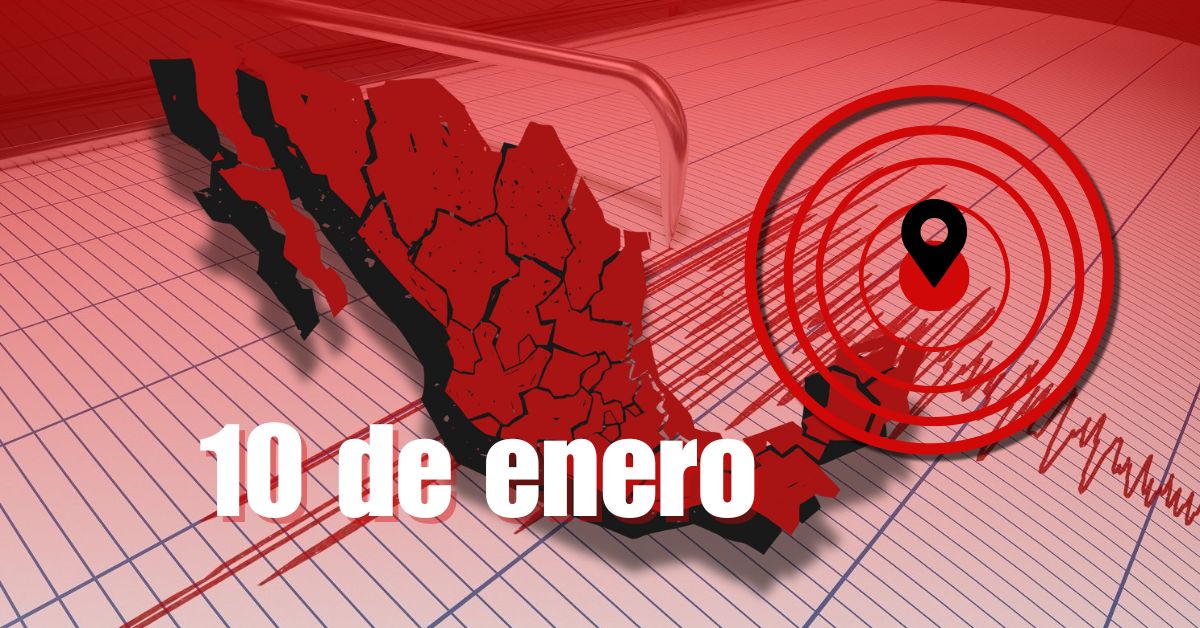

Medium-Intensity Tremor Rattles Mexico on January 10, 2026, as Seismic Monitoring Continues
Mexico City, Mexico – A medium-intensity tremor struck Mexico on January 10, 2026, at approximately 20:39 UTC (3:39 p.m. EST), triggering immediate alerts and ongoing updates from seismic authorities. The event, reported through live coverage by local media, has no confirmed reports of significant damage or casualties as of the latest dispatches, but residents across affected regions were urged to remain vigilant amid the country's proneness to seismic activity.
The tremor was detected and publicized in real-time by Mexico's National Seismological Service (SSN), with initial notifications disseminated via mobile alerts and social media. Live news updates from outlets like La Razon described the event as part of routine seismic monitoring, emphasizing "noticias al momento de sismos" (moment-by-moment earthquake news). The quake's medium severity classification suggests perceptible shaking without widespread structural impacts, though exact magnitude, epicenter coordinates, and depth remain under verification in preliminary reports.
Eyewitness accounts shared on social platforms described brief but noticeable jolts, particularly in central and southern regions where seismic sensors are densely deployed. No tsunami warnings were issued, aligning with the event's inland characteristics. Emergency response teams, including those from the Civil Protection Agency (Cenapred), activated standard protocols, advising the public to follow the "three-step rule": drop, cover, and hold on during shaking.
Seismic Context in a High-Risk Zone
Mexico sits atop the Pacific Ring of Fire, a 40,000-kilometer horseshoe-shaped belt encircling the Pacific Ocean where about 90% of the world's earthquakes occur. The country experiences thousands of tremors annually due to the subduction of the Cocos Plate beneath the North American Plate along the Middle America Trench. This tectonic interaction generates frequent seismic events, with magnitudes ranging from minor rumbles to devastating quakes.
The SSN, operated by the National Autonomous University of Mexico (UNAM), maintains one of Latin America's most advanced networks of over 150 seismological stations. It provides real-time data through its SkyAlert app and national alert system, which has proven instrumental in recent years. For instance, in September 2022, a 7.4-magnitude earthquake off the Pacific coast near Michoacán killed at least nine people and injured dozens, underscoring the system's role in minimizing casualties through early warnings.
Historical precedents abound. The 1985 Mexico City earthquake (magnitude 8.0) remains a national trauma, claiming over 10,000 lives due to amplified shaking from the city's soft lakebed soils. More recently, the 2017 Puebla quake (7.1 magnitude) killed 370 and exposed vulnerabilities in urban infrastructure. These events have driven reforms, including stricter building codes under the 2017 General Law of Civil Protection and mandatory retrofitting in high-risk zones like Mexico City, Colima, Guerrero, and Oaxaca.
January has historically been active for Mexican seismicity. In 2024 alone, the SSN recorded over 12,000 events, with several above magnitude 5.0. The 2026 tremor fits this pattern, occurring amid a swarm of minor activity reported in early January. Experts attribute such clusters to stress accumulation along fault lines, though no immediate escalation to major quakes is forecasted.
Response and Public Safety Measures
Civil protection officials reported no disruptions to major infrastructure, airports, or public services immediately following the event. Schools and businesses in potential impact zones followed evacuation drills, a practice reinforced since the 2017 disaster. President Claudia Sheinbaum's administration, which assumed office in October 2024, has prioritized seismic resilience, investing in AI-enhanced early warning systems and community training programs.
"Estamos atentos a cualquier réplica," (We are monitoring for any aftershocks) stated a preliminary SSN bulletin, echoing standard protocol. Aftershocks are common in the hours and days following a tremor, prompting extended vigilance. International bodies like the U.S. Geological Survey (USGS) corroborated the event through global monitoring networks, classifying it preliminarily without assigning a specific magnitude pending refined data.
Public reaction, as captured in live media threads, blended caution with routine acceptance. Social media hashtags like #SismoHoy and #TemblorMexico trended, with users sharing videos of swaying lights and pooling under desks. This digital immediacy has transformed public engagement with seismicity, enabling faster dissemination of official guidance.
Ongoing Monitoring and Broader Implications
As of publication, updates continue from the SSN and media outlets, with no upward revision in severity. The event serves as a reminder of Mexico's seismic reality, where preparedness mitigates peril. Investments in resilient infrastructure, such as Mexico City's 2025-2030 urban renewal plan targeting soft-soil amplification, aim to safeguard 22 million metropolitan residents.
Globally, such incidents highlight the value of international cooperation. Collaborations between the SSN, USGS, and organizations like the Comprehensive Nuclear-Test-Ban Treaty Organization (CTBTO) enhance detection accuracy. For now, authorities urge preparedness: securing homes, knowing evacuation routes, and downloading alert apps.
Mexico's ability to weather this tremor without major incident reflects decades of hard-learned lessons. Monitoring persists into the night, with the nation braced for potential aftershocks in this ever-active tectonic arena.
(Word count: 712)