
Mayon Volcano Triggers Mass Evacuation in Philippines as Alert Level Escalates to 3
Legazpi, Philippines – Authorities in the Philippines have evacuated around 3,000 villagers from the danger zone surrounding Mayon Volcano in Albay province following heightened volcanic activity, including cascading rocks and ongoing unrest. The Philippine Institute of Volcanology and Seismology (PHIVOLCS) raised the alert level to 3 on January 8, 2026, signaling high unrest and the potential for a hazardous eruption in the coming weeks.
The evacuations began intensifying after initial signs of activity emerged on January 3, 2026, when families in nearby communities reported rocks tumbling down the volcano's slopes. This high-severity event prompted immediate preemptive measures to protect residents living within a six-kilometer permanent danger zone. By early January 8, the volcano's medium-severity active status was confirmed, characterized by persistent seismic activity and visible emissions, according to monitoring data.
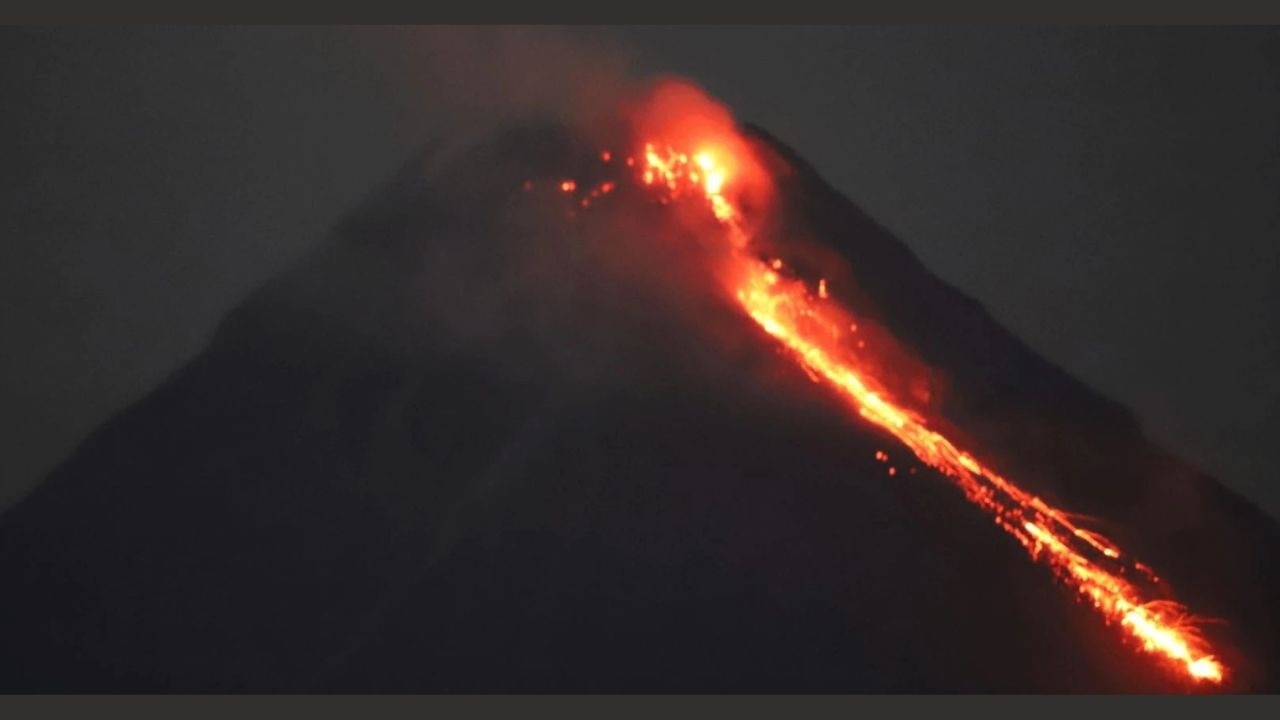
PHIVOLCS classified Alert Level 3 as indicative of magmatic unrest, with the volcano exhibiting increased earthquakes, ground deformation, and sulfur dioxide emissions. Reports from the ground describe incandescent rocks rolling down the flanks, a phenomenon known as pyroclastic flows or rockfalls, which heightens risks of lahars—volcanic mudflows—especially during the rainy season. Local disaster response teams, in coordination with the Office of Civil Defense, have established evacuation centers equipped with food, water, and medical supplies for the displaced families.
Albay Governor Edcel Grego, a veteran of multiple Mayon crises, emphasized the proactive response. The province, home to over 1.2 million people, has permanent evacuation protocols in place due to the volcano's history. "We are acting swiftly to ensure no lives are lost," provincial officials stated in updates aligned with PHIVOLCS advisories.
Heightened Activity Signals Imminent Threat
The current unrest builds on early warnings from January 3, when seismic networks detected rockfalls originating from the volcano's summit. PHIVOLCS reported a spike in volcano-tectonic earthquakes, averaging 5-10 per day, alongside ash emissions reaching up to 500 meters. Sulfur dioxide flux measurements have exceeded 5,000 tons per day, a threshold that prompted the alert escalation from Level 2.
Evacuation efforts targeted 27 barangays (villages) in the municipalities of Guinobatan, Camalig, Daraga, Sto. Domingo, and Malilipot. Approximately 3,000 individuals, primarily farmers and indigenous communities reliant on the fertile volcanic soils, have been relocated. Temporary shelters in Legazpi City and Tabaco City are housing evacuees, with schools converted into bunkers.
No injuries or casualties have been reported as of January 8, 2026, but authorities have banned entry into the expanded danger zone, which now includes areas prone to lahar flows along river channels. Aviation authorities have also issued notices to airmen (NOTAMs) restricting flights within a 20-nautical-mile radius due to ash plume risks.
Background on Mayon: The Philippines' Most Active Volcano
Mayon Volcano, standing at 2,463 meters in Albay province on Luzon island, is renowned for its near-perfect cone shape and frequent eruptions. Part of the Pacific Ring of Fire, where over 20 active volcanoes dot the archipelago, Mayon has erupted over 50 times in recorded history, with major events in 1616, 1978, 1984, 1993, 2000, 2006, 2009, 2013, and 2018.
The 2018 eruption, the most powerful in decades, lasted six months, ejecting millions of tons of ash and lava, displacing up to 90,000 people and causing over $160 million in damages. It underscored the volcano's explosivity index, capable of Plinian eruptions that send ash clouds kilometers high. PHIVOLCS maintains a 24/7 monitoring station, using seismometers, GPS, and gas spectrometers to track magma ascent.
The Philippines, situated on 7,641 islands and prone to typhoons, earthquakes, and volcanism, invests heavily in disaster resilience. The National Disaster Risk Reduction and Management Council (NDRRMC) coordinates responses, drawing lessons from past events like the 1991 Pinatubo eruption, which cooled global temperatures temporarily.
Outlook: Sustained Monitoring Amid Eruption Risks
PHIVOLCS warns that Alert Level 3 could persist or escalate to Level 4 if unrest intensifies, potentially leading to an explosive eruption within weeks. Residents beyond the danger zone are advised to prepare for ashfall, which could disrupt agriculture, aviation, and power supplies. International aid organizations, including the United Nations Office for the Coordination of Humanitarian Affairs (OCHA), are monitoring the situation.
As of January 8, 2026, the volcano continues to show medium-level activity, with evacuees receiving psychosocial support and livelihood assistance. Officials urge the public to heed warnings, avoiding the restricted zones and staying updated via official channels. Mayon's restive behavior serves as a stark reminder of the archipelago's geological volatility, where proactive evacuations have historically saved lives.
(Word count: 682)