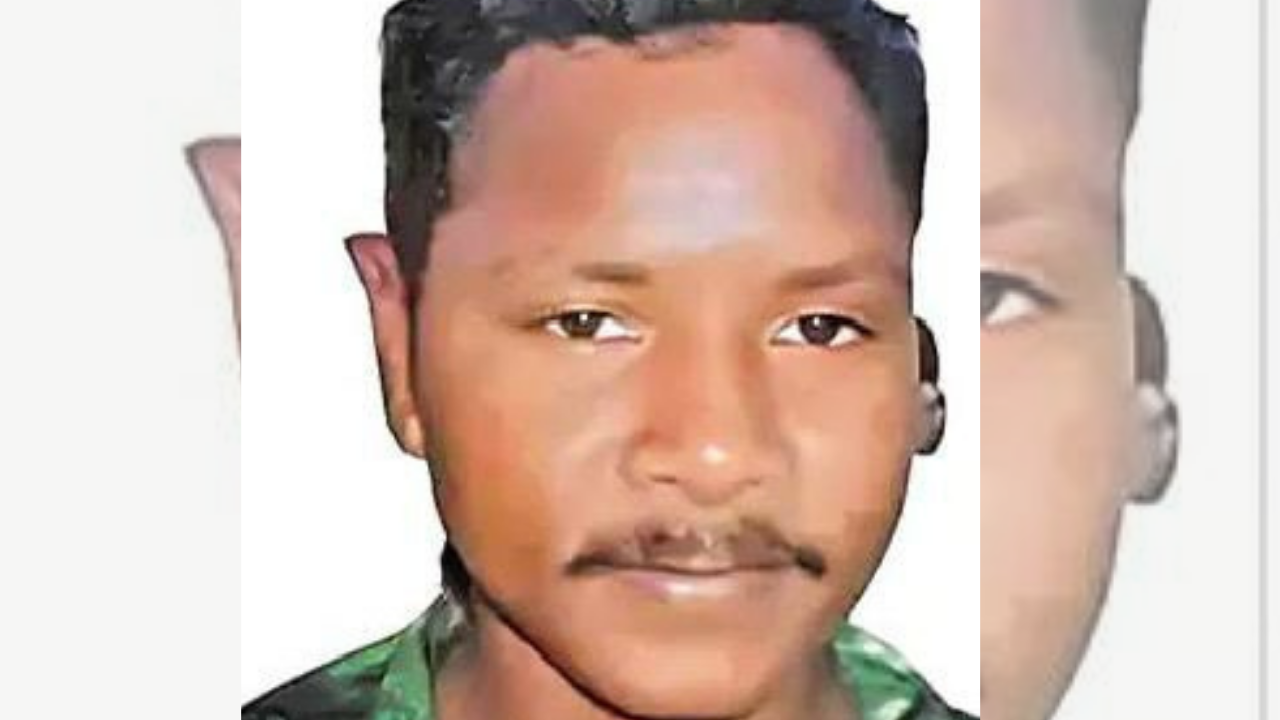

Maoist Commander Badse Deva Surrenders to Telangana Police
In a significant development in the ongoing fight against Maoist insurgency in central India, Badse Deva, a prominent commander of the People's Liberation Guerrilla Army (PLGA), surrendered to Telangana police on January 3, 2026. This event marks a notable victory for law enforcement agencies in their efforts to combat left-wing extremism in the region.
Deva, also known by his alias Sukka, has been a key figure in the Maoist movement and was closely associated with Madvi Hidma, a notorious leader within the organization. His surrender is particularly significant due to his involvement in various high-profile attacks and his status as a battle-hardened commander with substantial rewards offered for his capture. Along with Deva, several other Maoists also surrendered, indicating a potential shift among insurgents amid ongoing police operations in the area.
According to police officials, Deva's decision to surrender reflects a growing disillusionment among Maoist ranks, particularly in the face of sustained military and police operations targeting their strongholds. The Telangana police have intensified their efforts in recent years to dismantle the organizational structure of the Maoist insurgency, which has plagued parts of central and eastern India for decades.
In a statement, Telangana Director General of Police, Anjani Kumar, highlighted the importance of this surrender, stating, "The surrender of Badse Deva, along with others, is a testament to our relentless efforts against Maoist insurgency. We encourage others to follow suit and join the mainstream." The police have also expressed their commitment to rehabilitating former Maoists who choose to abandon the path of violence.
Background
The Maoist insurgency in India has its roots in socio-economic disparities, with the movement primarily drawing support from marginalized communities in rural areas. Over the years, the insurgents have engaged in violent confrontations with government forces, leading to significant loss of life and disruption in affected regions. The government has employed a combination of military action and development initiatives aimed at addressing the root causes of the insurgency.
In recent years, there has been a noticeable decline in Maoist violence, attributed in part to the strategic efforts of security forces, community outreach programs, and rehabilitation schemes for surrendered insurgents. The surrender of high-ranking leaders like Badse Deva not only weakens the operational capabilities of the Maoists but also serves as an encouraging sign for ongoing initiatives aimed at peace and development in affected areas.
Conclusion
Badse Deva's surrender is a crucial development in the fight against Maoist insurgency in India, reflecting both a tactical win for law enforcement and a potential turning point for many disillusioned insurgents. As police efforts continue to dismantle the Maoist infrastructure, the hope remains that more individuals will choose to leave behind a life of violence and engage with rehabilitation efforts to reintegrate into society. The coming weeks and months will be telling in terms of whether this surrender will inspire further defections from the Maoist ranks and contribute to a more stable and peaceful environment in central India.






