Major Radio Failure Paralyzes Greek Airspace, Grounds Flights Nationwide

Latest from X
Major Radio Failure Paralyzes Greek Airspace, Grounds Flights Nationwide
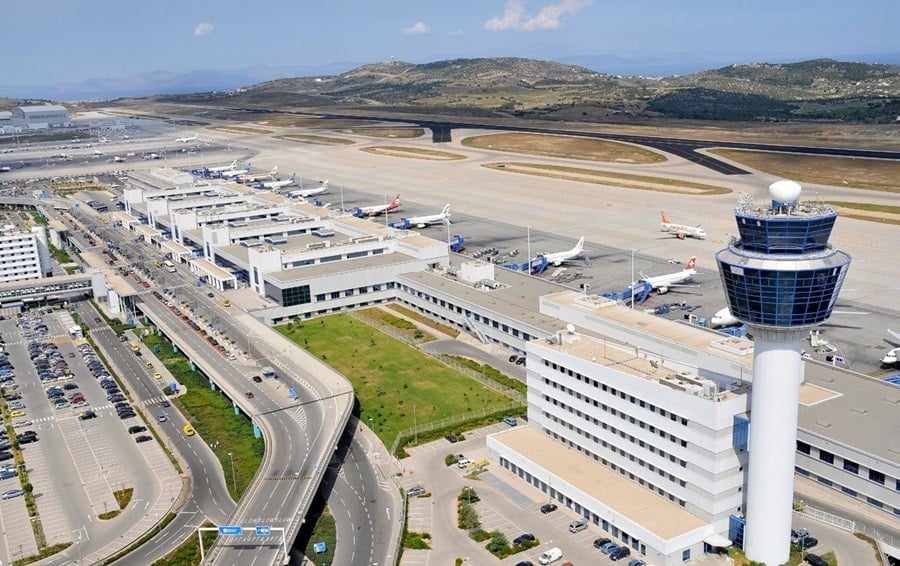
Athens, Greece - A critical technical failure in Greece’s air traffic control communication systems has brought the nation’s airspace to a standstill on Sunday, January 4, 2026. The malfunction, centered in the Athens Flight Information Region (FIR), has disrupted radio frequencies essential for coordinating air traffic, resulting in widespread flight diversions, grounded departures, and chaos at airports across the country. Thousands of travelers are stranded as authorities scramble to address the unprecedented crisis.
According to Greece’s Civil Aviation Authority (CAA), the issue began early Sunday morning, around 10:20 GMT, when a major radio frequency failure was detected in the systems used by air traffic controllers. This breakdown has severely limited communication between pilots and ground control, rendering safe flight operations within Greek airspace nearly impossible. As a safety precaution, the CAA issued an emergency directive suspending most flight activities, including takeoffs from Athens International Airport “Eleftherios Venizelos” and other regional hubs.
“The technical failure has slashed system capacity, leaving aircraft stranded and triggering widespread diversions,” reported In Cyprus, highlighting the scale of the disruption. While some overflights through the Athens FIR are continuing under strict restrictions, arrivals and departures at Greek airports have been halted until further notice. Flights en route to Greece are being diverted to neighboring countries, including Turkey, Bulgaria, and North Macedonia, causing significant delays and logistical challenges for airlines and passengers alike.
The impact on travelers has been immediate and severe. Social media posts on X reflect growing frustration and confusion, with reports of long queues and halted security check-ins at Athens International Airport since approximately 9:00 AM local time. One user noted a statement from the Hellenic Civil Aviation Authority suggesting the issue stems from a technical failure in central radio frequency systems at key control centers, though official confirmation of the exact cause remains pending. Another post mentioned a NOTAM (Notice to Airmen) issued for the Athens FIR, underscoring the gravity of the situation for aviation operations.
Greek authorities have assured the public that efforts are underway to resolve the issue, though no specific timeline for restoring normal operations has been provided. “The cause of the disruption is under investigation,” a spokesperson for the CAA stated, as cited by Greek Reporter. In the meantime, airlines have been instructed to reroute flights and accommodate affected passengers, while airports remain in a state of uncertainty. An Airports Authority spokesperson in Israel, as reported by other international outlets, indicated that Greek airspace could remain closed until at least 4:00 PM local time, with passengers warned to expect further delays.
Background on Greek Air Traffic Control Challenges
Greece, a major tourist destination and a critical hub for European air travel, relies heavily on the Athens FIR to manage one of the busiest airspaces in the region, particularly during peak travel seasons. Technical issues in air traffic control systems, while rare, can have cascading effects due to the interconnected nature of global aviation. Past incidents in other regions have shown that radio communication failures often stem from hardware malfunctions, software glitches, or external interference, though no specific details about the current crisis have been confirmed by Greek officials.
The Athens FIR oversees not only domestic flights but also a significant volume of international overflights, making its functionality vital to broader European air traffic networks. The current paralysis of Greek airspace could have ripple effects on flight schedules across the continent, especially if the issue persists beyond the initial closure window.
Outlook for Resolution and Traveler Impact
As the investigation into the radio frequency failure continues, the immediate priority for Greek authorities and the CAA is to restore safe communication channels and resume normal operations. Until then, passengers are advised to monitor updates from airlines and airport authorities for the latest information on flight statuses. The disruption serves as a stark reminder of the fragility of aviation infrastructure and the far-reaching consequences of technical failures in such a critical sector.
For now, travelers and industry stakeholders alike await further clarity on the situation, with hopes for a swift resolution to one of the most significant airspace crises Greece has faced in recent years. As one user on X poignantly asked, “Will flights be cancelled today?”—a question that encapsulates the uncertainty gripping thousands across the country and beyond.
Track this story live
Original Sources
- •Greece Grounds All Flights After Athens FIR Technical Failure— Greek Reporter
- •
Editorial process: This article was synthesized from the original sources cited above using The World Now's AI editorial system, with byline accountability from our editorial team. We grade every story for source grounding, factual coherence, and on-topic match before publication. Read more about our editorial standards and contributors. Spot something inaccurate? Let us know.
Last updated: March 7, 2026