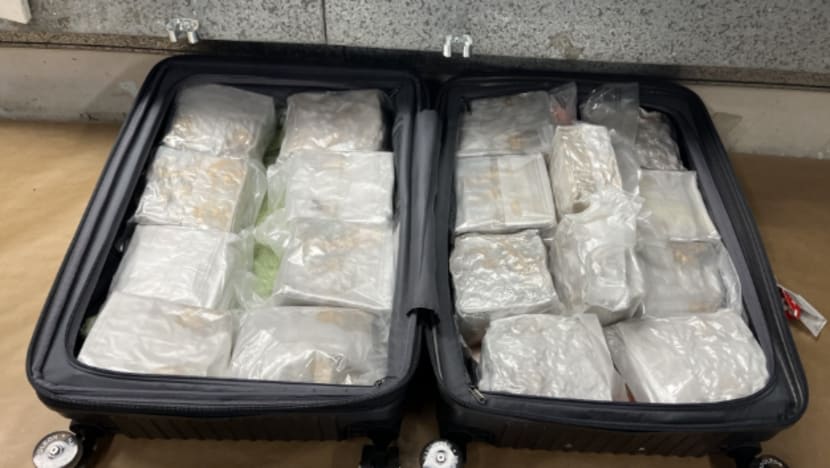

Major Methamphetamine Seizure at Auckland Airport: Woman Arrested with 18kg Haul Valued at NZ$5.53 Million
Auckland, New Zealand – New Zealand Customs officials arrested a woman at Auckland Airport on Wednesday after discovering approximately 18 kilograms of methamphetamine concealed in her possession upon arrival from Singapore, in a seizure valued at around NZ$5.53 million (US$3.2 million).
The incident, which occurred early on January 7, 2026, underscores ongoing efforts by authorities to combat the influx of synthetic drugs through the country's major international gateway. The woman, whose nationality and age have not been publicly disclosed, was targeted during routine border screening procedures as she disembarked from a flight originating in Singapore, a known transit hub for narcotics in Southeast Asia.
New Zealand Customs Service confirmed the interception, highlighting it as a significant blow to transnational drug trafficking networks. The methamphetamine, a highly potent Class A controlled substance, was found hidden on the traveler's person or luggage—specific concealment methods remain under investigation as part of the ongoing probe. The street value of the haul, estimated at NZ$5.53 million, reflects current black market prices in New Zealand, where demand for the drug remains high despite enforcement actions.
This seizure adds to a series of high-profile drug busts at Auckland Airport, New Zealand's busiest aviation hub handling over 20 million passengers annually pre-pandemic. In recent years, the airport has been a focal point for meth imports, with couriers often using body-packing techniques or swallowing drug-filled pellets to evade detection. Advanced screening technologies, including X-ray scanners, canine units, and risk-profiling algorithms, have enabled officials to intercept increasingly sophisticated smuggling attempts.
Broader Context of Drug Trafficking in New Zealand
New Zealand faces a persistent challenge with methamphetamine, locally known as "P" or "meth," which has fueled violent crime, addiction crises, and gang activity across urban and rural areas. According to government data, methamphetamine-related arrests and seizures have risen steadily since the early 2010s, driven by supply chains linked to Mexico, Southeast Asia, and domestic "P labs." Singapore, while not a primary production center, serves as a key transit point due to its role as a global aviation nexus and stringent domestic drug laws that deter local consumption.
In 2024 alone, New Zealand Customs reported seizing over 400 kilograms of methamphetamine at the border, with a street value exceeding NZ$100 million. Notable prior incidents include a 2023 bust at the same airport involving 20 kilograms hidden in suitcases from Kuala Lumpur, and a 2022 operation uncovering 11 kilograms swallowed by a passenger from Vancouver. These operations often involve collaboration with international partners like the Australian Federal Police and Interpol under frameworks such as the Five Eyes intelligence alliance.
The January 7 seizure aligns with heightened vigilance ahead of the summer travel season, when passenger volumes spike. Customs Commissioner Fleur Matthews has previously emphasized proactive intelligence-led policing, stating in annual reports that "every kilogram stopped at the border prevents widespread harm in our communities." The arrested woman is expected to face charges under the Misuse of Drugs Act 1975, which carries penalties of up to life imprisonment for importing Class A substances over 14 grams.
Implications for Law Enforcement and Public Health
Authorities have not released details on the woman's potential links to organized crime groups, such as the Comanchero or Mongols motorcycle gangs, which dominate New Zealand's meth distribution. Investigations are ongoing, with forensic analysis underway to trace the drug's origin—likely superlab production in Mexico, given purity levels observed in similar cases.
Public health experts note that such seizures disrupt supply but do little to address demand. The New Zealand Drug Foundation reports over 25,000 methamphetamine-dependent individuals nationwide, contributing to a 20% rise in emergency department visits for drug overdoses between 2020 and 2024. Government initiatives, including the 2023 Methamphetamine Action Plan, allocate NZ$500 million over four years for treatment, prevention, and border security.
As New Zealand prepares for increased international travel in 2026, Customs has reiterated warnings to travelers about severe penalties for drug smuggling. "Our borders are not porous," a Customs spokesperson said in a statement following the arrest. "We will continue to work tirelessly with global partners to keep dangerous drugs out."
This event serves as a reminder of the evolving tactics employed by traffickers amid tightening global controls. While one major interception has been achieved, experts anticipate continued pressure on enforcement resources as smuggling routes adapt.
(Word count: 612)