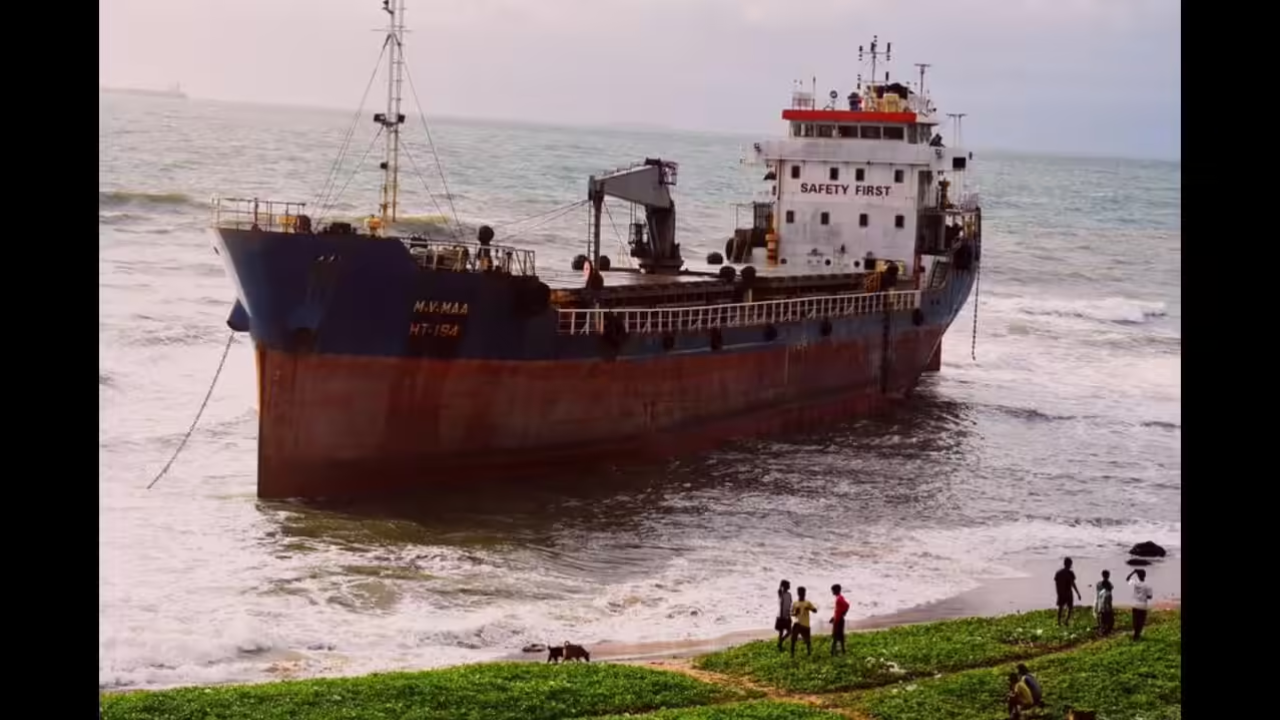
Major Drug Bust in Lagos: 22 Indian Crew Members Arrested with 31.5kg of Cocaine

Latest from X
Major Drug Bust in Lagos: 22 Indian Crew Members Arrested with 31.5kg of Cocaine
Lagos, Nigeria – Nigerian authorities have made a significant drug seizure at the Apapa Port in Lagos, arresting 22 Indian crew members aboard the merchant ship MV Aruna Hulya after discovering 31.5 kilograms of cocaine hidden on the vessel. The operation, conducted by the National Drug Law Enforcement Agency (NDLEA), marks another chapter in the ongoing battle against drug trafficking through Nigeria’s busiest port. The incident, reported on January 4, 2026, underscores the persistent challenge of illicit drug smuggling in the region.
According to the NDLEA, the cocaine was carefully concealed aboard the ship, which originated from the Marshall Islands. The agency’s operatives intercepted the consignment during a routine inspection, leading to the immediate detention of the entire Indian crew. While details about the exact destination of the drugs remain unclear, authorities are investigating potential links to international drug trafficking networks. The NDLEA has not yet released a statement on whether the crew members were aware of the illicit cargo or if they are considered accomplices in the smuggling operation.
“This seizure is part of our intensified efforts to curb the inflow of hard drugs into Nigeria through our ports,” an NDLEA spokesperson said, as reported by PRNigeria News. “We are working tirelessly to dismantle these networks and ensure that those involved face the full weight of the law.”
A Pattern of Drug Seizures at Apapa Port
The Apapa Port in Lagos has long been a hotspot for drug trafficking activities, with multiple high-profile busts reported in recent years. Just days prior to this incident, on January 2, 2026, the NDLEA, in collaboration with the Nigeria Customs Service, intercepted another 30.1 kilograms of cocaine on a different vessel at the same port, as noted in posts on X from credible news outlets like The Guardian Nigeria. This earlier seizure also involved a Marshall Islands-flagged ship, raising concerns about the use of such vessels in drug smuggling operations.
Historically, the port has seen similar cases, including the arrest of Filipino sailors with cocaine shipments originating from Brazil and ongoing investigations into large-scale cocaine importations, as highlighted by the Times of India. These repeated incidents point to a systemic issue, with Nigeria often serving as a transit point for drugs destined for markets in Europe and beyond.
Background: Nigeria’s Fight Against Drug Trafficking
Nigeria has been grappling with drug trafficking for decades, with the West African nation positioned as a key transit hub due to its strategic location and busy maritime ports. The NDLEA, established to combat drug-related crimes, has ramped up operations in recent years, focusing on port security and international cooperation. Despite these efforts, the agency faces significant challenges, including corruption, limited resources, and the sophisticated methods employed by trafficking syndicates.
Cocaine, often sourced from South America, remains one of the most trafficked drugs through Nigeria. The drug’s high street value makes it a lucrative commodity for smugglers, who frequently use merchant vessels to conceal shipments among legitimate cargo. The arrest of foreign nationals, such as the Indian crew members in this case, also highlights the international dimension of the problem, necessitating collaboration with countries like India to address the supply chain.
International Implications and Response
The arrest of 22 Indian nationals has drawn attention from Indian authorities, with calls for a thorough investigation to determine the crew’s involvement. While no official statement has been issued by the Indian government as of the latest updates, sources suggest that consular access and legal assistance may be provided to the detained individuals. The incident could strain diplomatic relations if evidence emerges of systemic involvement by foreign crews in drug trafficking through Nigerian ports.
Outlook: Strengthening Port Security
As investigations into the MV Aruna Hulya seizure continue, Nigerian authorities are expected to intensify scrutiny at Apapa Port and other entry points. The NDLEA has pledged to work with international partners to trace the origins and intended destinations of the seized cocaine, while also cracking down on local facilitators. The repeated drug busts at Lagos underscore the urgent need for enhanced port security measures, including advanced scanning technology and stricter vetting of incoming vessels.
This latest operation sends a strong message to trafficking networks, but experts warn that without addressing the root causes—such as poverty and weak governance—the battle against drug smuggling in Nigeria will remain an uphill struggle. For now, the focus remains on ensuring that the 22 arrested crew members are subjected to a fair and transparent legal process as the investigation unfolds.
Track this story live
Original Sources
- •
- •
Editorial process: This article was synthesized from the original sources cited above using The World Now's AI editorial system, with byline accountability from our editorial team. We grade every story for source grounding, factual coherence, and on-topic match before publication. Read more about our editorial standards and contributors. Spot something inaccurate? Let us know.
Last updated: February 19, 2026






