
Magnitude 5.3 Earthquake Rattles Palpa Province in Southern Peru
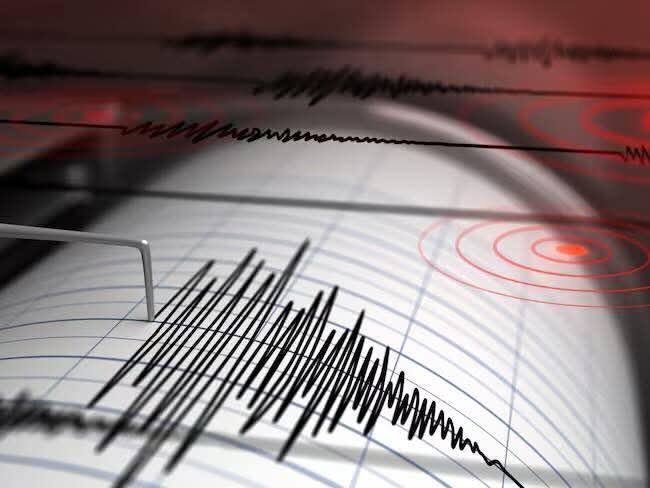
Palpa, Peru — A moderate 5.3 magnitude earthquake struck the province of Palpa in Peru's Ica region late Friday evening, local time, sending tremors through the area but with no immediate reports of significant damage or casualties.
The quake occurred at 23:39:19 GMT (Coordinated Universal Time) on January 9, 2026, equivalent to 6:39 p.m. local time in Peru, according to event data monitored by global seismic networks. Classified as medium severity, the event was centered in Palpa, a coastal province approximately 350 kilometers south of Lima, known for its agricultural economy and archaeological sites. Peruvian news outlet Diario Correo, via GDELT aggregation, was among the first to report the sismo (earthquake), highlighting its impact on the province.
While details on the exact depth and epicenter coordinates remain preliminary pending official confirmation from Peru's Geophysical Institute of Peru (IGP) or the National Civil Defense Institute (INDECI), such events in the region are typically shallow, amplifying surface shaking. The U.S. Geological Survey (USGS) and other international monitors often corroborate these with real-time data, placing similar quakes along Peru's active subduction zone.
Regional Impact and Initial Response
Eyewitness accounts and social media reports from Ica province, where Palpa is located, described the shaking as strong enough to sway buildings and prompt residents to evacuate outdoors. The province, home to around 25,000 people, includes the district of Palpa and surrounding rural areas focused on cotton, asparagus, and paprika farming. No major structural damage has been confirmed as of early Saturday, aligning with the medium severity rating, which typically indicates felt shaking without widespread destruction.
INDECI, Peru's emergency management agency, routinely activates protocols for quakes above magnitude 5.0, issuing alerts and mobilizing response teams. Historical patterns suggest aftershocks could follow, though their intensity varies. Local authorities in Ica have urged residents to avoid coastal areas due to standard tsunami warnings for offshore quakes, even if this inland event poses low risk.
Peru's Seismic Landscape
Peru sits squarely on the Pacific Ring of Fire, where the Nazca tectonic plate subducts beneath the South American plate at a rate of about 6-7 centimeters per year. This convergence generates frequent seismic activity, with the country experiencing over 1,000 quakes annually, most below magnitude 4.0. The southern coast, including Ica, is particularly prone due to its position along the Peru-Chile Trench.
Palpa's location places it near major fault systems responsible for some of Peru's most devastating quakes. In 2007, a magnitude 8.0 earthquake struck nearby Pisco, killing over 500 people and destroying thousands of homes. More recently, in 2021, a 6.1 quake hit the Amazonas region in northern Peru, causing landslides and minor injuries. The 2024-2025 period saw heightened activity, with clusters of magnitude 5+ events off the central coast, underscoring the region's volatility.
The IGP maintains a dense network of seismometers, providing near-real-time data via its public portal. For this event, preliminary IGP bulletins (cross-referenced with global sources) classify it as a typical intraslab quake, common in subduction zones. Peru's building codes, strengthened post-2007, have improved resilience in urban areas like nearby Nazca and Ica city, though rural Palpa's adobe structures remain vulnerable.
Broader Context and Preparedness
This quake adds to a string of moderate events in early 2026, following smaller tremors in Arequipa and Lima provinces earlier in the month. Global seismic monitoring by the USGS rates Peru's hazard level as high, with probabilistic models estimating a 10-20% chance of a magnitude 8+ event in the next 50 years along the southern coast.
Public awareness campaigns by INDECI emphasize the "triangle of life" protocol—duck, cover, and hold during shaking—alongside family emergency kits. International aid organizations like the Red Cross maintain prepositioned supplies in Lima for rapid deployment.
As assessments continue, geologists monitor for aftershock sequences, which could extend into the weekend. Officials report no disruptions to major infrastructure, including the Pan-American Highway that traverses the region. Updates from IGP and INDECI are expected throughout the day.
In a nation where earthquakes are a fact of life, events like Palpa's serve as reminders of Peru's geophysical realities. While this medium-severity quake appears contained, it reinforces the need for ongoing vigilance and investment in seismic retrofitting.
(Word count: 612)