
Magnitude 5.1 Earthquake Off Calabria Coast Rattles Southern Italy, Sicily, and Malta
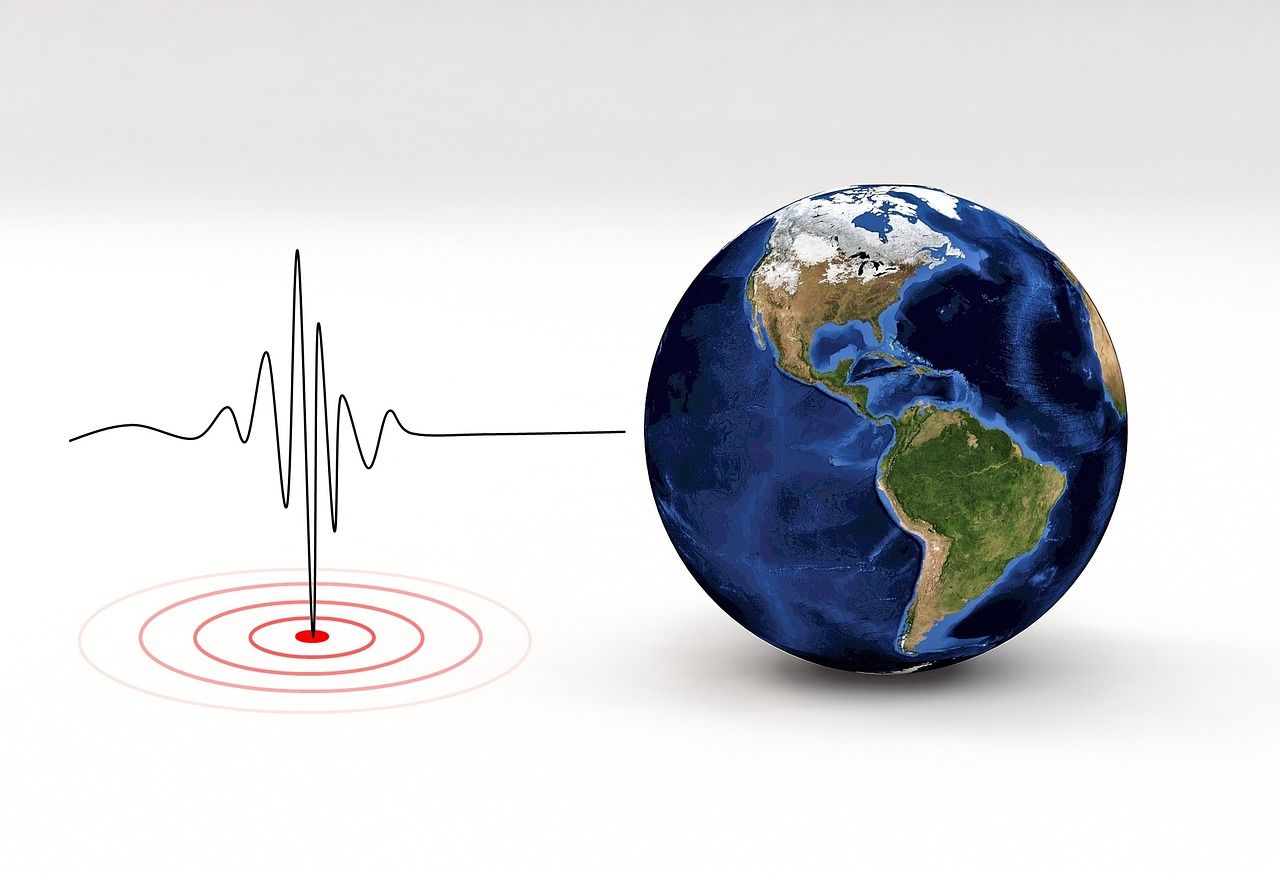
A magnitude 5.1 earthquake struck off the coast of Calabria in southern Italy early on January 10, 2026, registering a seismic intensity of 6 on the Mercalli scale in the region. The quake, which occurred at 07:39 UTC, was widely felt across southern Italy, including Sicily and the city of Siracusa, and even reached as far as Malta, prompting reports of shaking but no immediate accounts of major damage or casualties.
The epicenter was located offshore in the Ionian Sea near Calabria, a region known for its tectonic volatility. Italian media outlets quickly reported the event, with local sources in Calabria and Sicily confirming the tremors. A subsequent strong shaking was reported in Siracusa at approximately 09:09 UTC, originating from the same offshore area near Calabria, heightening concerns in the affected zones.
Widespread Felt Reports Amid Seismic Activity
Reports from multiple outlets detailed the quake's reach. In Calabria, the "Area Grecanica" region experienced the strongest effects, as noted by NTA Calabria, with the magnitude 5.1 event described as occurring "al largo della Calabria" (off the coast of Calabria). Zazoom.it highlighted how the "forte scossa" (strong jolt) was felt not only in Calabria but also in Sicily, raising questions about the seismic risk to the "punta dello Stivale" — the toe of Italy's boot-shaped peninsula.
Further afield, Malta Today reported that the quake was felt across Malta, underscoring the event's propagation through the central Mediterranean. In Siracusa, Sicily, Siracusa Oggi confirmed that residents felt the "forte sisma a largo delle coste calabresi" (strong earthquake off the Calabrian coast), with the sensations aligning with the later timestamp of heightened activity.
Both events were classified as medium severity, with no verified reports of structural damage, injuries, or tsunamis as of the latest updates. Italy's National Institute of Geophysics and Volcanology (INGV), which monitors seismic activity in real-time, recorded the primary shock at magnitude 5.1, consistent across sources.
Tectonic Context in a High-Risk Zone
Southern Italy, particularly Calabria and eastern Sicily, lies at the convergence of the African and Eurasian tectonic plates, part of the complex Calabrian Arc subduction zone. This geology makes the region one of Europe's most seismically active areas. The Ionian Sea offshore from Calabria is a focal point for intermediate-depth earthquakes, often linked to the subduction of the Ionian slab beneath the Italian mainland.
Historical precedents abound: Calabria has endured devastating quakes, including the 1783 Calabria earthquake sequence (magnitudes up to 7.0) that killed tens of thousands, and the 1908 Messina earthquake (7.1 magnitude) that razed cities across the strait in Sicily, claiming over 80,000 lives. More recently, a 7.1 quake off the Calabrian coast in 2014 and swarms in 2019 reminded the public of ongoing risks. The January 10 events fit this pattern of moderate offshore quakes that can generate felt shaking onshore without widespread destruction, thanks in part to modern building codes and early warning systems.
Italy's Civil Protection Department routinely activates monitoring protocols for such events, advising residents to check for aftershocks and avoid damaged structures. The Mercalli intensity of 6 in Calabria indicates "strong" shaking capable of awakening sleepers, causing dishes to rattle, and swaying hanging objects, but typically not causing serious damage to well-built structures.
Monitoring and Regional Response
As of January 10, 2026, authorities reported no disruptions to infrastructure, airports, or ports in Calabria, Sicily, or Malta. Social media and local news captured resident accounts of brief panic, with some evacuating homes momentarily. The INGV's seismic network continues to track potential aftershocks, common in this subduction environment.
The quake's offshore location mitigated direct impacts, but it serves as a reminder of Italy's vulnerability. Calabria's "punta dello Stivale" — Reggio Calabria and surrounding areas — faces elevated long-term risk due to active faults and historical liquefaction during strong events.
In outlook, seismologists expect minor aftershocks in the coming days, but the medium-severity classification suggests a low probability of escalation. Italian officials urge preparedness, including adherence to national seismic plans, as the Mediterranean remains a hotspot for such activity. Updates from INGV and Civil Protection will provide ongoing assessments.
(Word count: 612)