
Magnitude 4.8 Earthquake Rattles San Juan, Felt Across Central Argentina
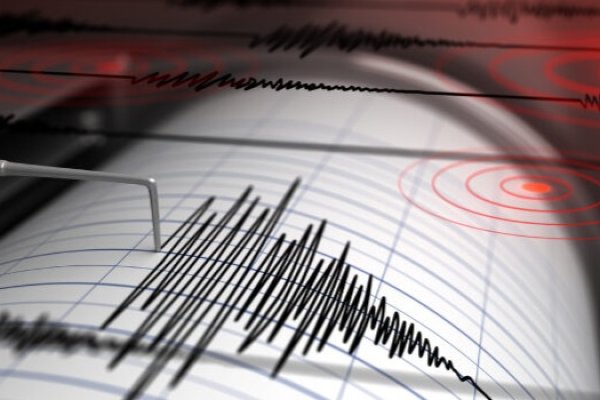
San Juan, Argentina – A magnitude 4.8 earthquake struck near San Juan province on January 8, 2026, at approximately 17:09 UTC, sending tremors through multiple central provinces including La Rioja, San Luis, Mendoza, and Córdoba, according to reports from Argentina's National Institute of Seismic Prevention (INPRES).
The quake, centered in the seismically active Andean foothills of San Juan, was classified as medium severity with no immediate reports of significant damage or casualties. INPRES, the country's primary seismic monitoring body, registered the event promptly, noting its epicenter in the province and its perceptibility in neighboring regions. Residents in San Juan and Mendoza reported feeling strong shaking, with social media and local outlets capturing accounts of swaying buildings and brief panic among the population.
The earthquake occurred at a shallow depth, typical for the region, which amplified its effects on the surface. While preliminary assessments indicated no structural collapses, emergency services in affected provinces were placed on alert. Local authorities in San Juan urged residents to follow standard protocols, such as staying indoors during aftershocks and avoiding damaged areas. As of January 9, no major disruptions to infrastructure, power, or transportation were confirmed.
Regional Impact and Response
In San Juan, the hardest-hit area, the tremor lasted several seconds, prompting evacuations from high-rise buildings in the provincial capital. Mendoza, to the south, experienced moderate shaking, with some residents describing it as a "rolling motion" that knocked objects off shelves. Further afield, lighter tremors reached La Rioja and San Luis to the north, and Córdoba to the east, where the effects were more subdued but still noticeable in urban centers.
INPRES data, as reported by Argentine news outlet AIM Digital, highlighted the quake's magnitude on the Richter scale at 4.8, placing it in the "light" to "moderate" category capable of causing noticeable shaking but rarely serious damage in populated areas. The institute's real-time bulletins are crucial for a country prone to seismic activity, enabling rapid response coordination.
Provincial governments activated emergency operations centers. San Juan's civil defense agency conducted preliminary inspections of schools, hospitals, and bridges, while Mendoza's seismology office monitored for aftershocks. At least two minor aftershocks, below magnitude 3.0, followed within hours, but no escalation occurred. Transportation networks, including key highways connecting the provinces, remained operational, though some rail services were temporarily halted for safety checks.
Seismic Context in Argentina's West
Argentina's western provinces lie along the Pacific Ring of Fire, where the Nazca tectonic plate subducts beneath the South American plate at a rate of about 6-10 cm per year. This subduction zone generates frequent earthquakes, with San Juan situated directly atop a high-risk fault system. The region has a long history of destructive events, underscoring the importance of preparedness.
Notable past quakes include the 1944 San Juan earthquake, a magnitude 7.4 event that killed around 10,000 people and leveled 80% of the city, leading to a complete reconstruction with stricter building codes. More recently, a 6.5-magnitude quake hit the area in 2021, causing minor damage but no fatalities, thanks to improved seismic-resistant infrastructure. San Juan enforces some of Latin America's most rigorous anti-seismic regulations, mandating flexible designs in new constructions and retrofitting older ones.
The January 8 event aligns with ongoing seismic patterns monitored by INPRES, which records thousands of minor tremors annually in the Andes cordillera. Experts attribute increased public awareness to nationwide drills and education campaigns post-2021, reducing panic during such incidents. Globally, similar magnitudes are common; for comparison, the U.S. Geological Survey (USGS) logs dozens of 4.5+ quakes worldwide each month, often without widespread impact.
Outlook and Preparedness Lessons
As assessments continue, seismologists anticipate additional minor aftershocks over the coming days, a standard pattern following moderate events. INPRES and provincial authorities have called for vigilance, advising against returning to potentially unstable structures until cleared. No tsunami warnings were issued, given the inland epicenter.
This quake serves as a reminder of Argentina's vulnerability despite progress in mitigation. Investments in early-warning systems and public education have proven effective, as evidenced by the orderly response. The federal government, through the National Disaster Risk Management Agency, pledged support for any emerging needs.
For residents in San Juan and surrounding provinces, the event reinforces the need for household emergency kits, family plans, and adherence to "drop, cover, and hold on" protocols. While no loss of life was reported, it highlights the unpredictable nature of tectonics in one of South America's most dynamic zones.
The World Now will continue monitoring developments and provide updates as new information emerges from official sources.
(Word count: 612)