
Magnitude 3.7 Earthquake Strikes Trujillo, Peru, Prompting Early Morning Alerts
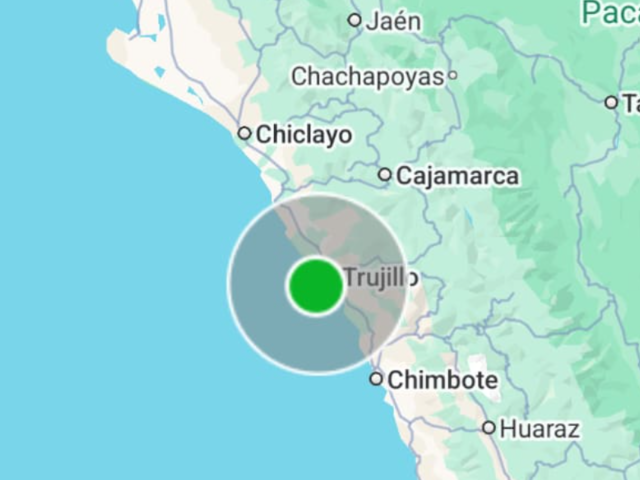
Trujillo, Peru — A magnitude 3.7 earthquake rattled the coastal city of Trujillo in Peru's La Libertad region early on Wednesday, January 7, 2026, at 06:09 UTC (1:09 a.m. local time). The moderate tremor, centered near the city, was felt by residents but has not been linked to any immediate reports of damage or injuries, according to initial seismic monitoring data.
The event was promptly reported by local media, with Panamericana.pe headlining "¡Tembló Trujillo!" (Trujillo Shook!), citing a sismo de magnitud 3.7 (magnitude 3.7 earthquake) in the La Libertad area. Published shortly before the quake at approximately 05:45 UTC, the article highlighted the rapid detection by Peru's geophysical authorities. Trujillo, a bustling northern city with a population exceeding 900,000, lies in one of Peru's most seismically active zones, where such events are not uncommon.
Seismic data indicates the epicenter was located in the vicinity of Trujillo, at shallow depths typical for the region's tectonic setting. On the Modified Mercalli Intensity scale, a magnitude 3.7 quake generally produces light shaking felt indoors by many, with possible rattling of windows and dishes, but rarely causes structural damage. Peru's Instituto Geofísico del Perú (IGP), the national body responsible for earthquake monitoring, routinely tracks such occurrences through its network of over 60 seismic stations nationwide.
Tectonic Context and Regional Seismic Activity
Peru sits atop the Pacific Ring of Fire, a horseshoe-shaped zone of intense volcanic and seismic activity encircling the Pacific Ocean. The country's frequent earthquakes stem from the subduction of the Nazca tectonic plate beneath the South American plate at a rate of about 6-7 centimeters per year. This process generates immense stress along fault lines, leading to periodic releases of energy as earthquakes.
La Libertad, home to Trujillo, experiences dozens of low-to-moderate quakes annually. Historical records from the IGP show that magnitudes between 3.0 and 4.0 are routine in this area, often serving as foreshocks or aftershocks to larger events. For instance, in recent years, the region has seen similar tremors, including a magnitude 4.1 quake near Trujillo in late 2024 and multiple smaller events throughout 2025. While this January 7 event is classified as medium severity—capable of being felt widely but unlikely to cause harm—it underscores Peru's vulnerability to seismic hazards.
The IGP's real-time monitoring system, upgraded in recent years with international support from organizations like the United States Geological Survey (USGS), provides alerts within seconds of detection. No tsunami warning was issued, as the quake's inland location and modest magnitude posed no risk to coastal areas. Trujillo's proximity to the Pacific Ocean amplifies concerns during larger events, but officials emphasized preparedness in post-quake statements.
Immediate Response and Public Safety Measures
Local authorities in La Libertad activated standard emergency protocols following the tremor. Trujillo's municipal civil defense office urged residents to "stay calm and follow the 'drop, cover, and hold on' protocol" via social media updates. Fire departments and police conducted preliminary inspections of key infrastructure, including hospitals, schools, and the historic city center around the Plaza de Armas.
No casualties or significant disruptions were reported in the hours following the quake. Power and water services remained stable, and Trujillo's international airport continued operations without interruption. The event occurred during early morning hours, minimizing potential impacts on daily commutes and commerce in this agricultural and industrial hub, known for its production of asparagus, sugar, and textiles.
Peru's national disaster management agency, INDECI (Instituto Nacional de Defensa Civil), maintains that the country records over 1,000 perceptible earthquakes yearly, with most below magnitude 5.0. Public education campaigns have intensified since the devastating 2007 Pisco earthquake (magnitude 8.0), which killed over 500 people and prompted stricter building codes in urban areas like Trujillo.
Broader Implications for Seismic Preparedness
This Trujillo quake serves as a reminder of Peru's ongoing seismic risks, particularly along its northern coast. The country has invested heavily in retrofitting infrastructure; for example, Trujillo's public buildings underwent seismic upgrades in 2023-2024 under a World Bank-funded program. Experts from the IGP note that while low-magnitude events like this one rarely cause damage, they provide critical data for modeling larger quakes, which could strike without warning.
Looking ahead, the IGP will monitor for aftershocks, which are common in subduction zones. Residents are advised to keep emergency kits stocked and participate in annual drills. As climate change and urbanization strain coastal cities, integrating seismic resilience into development plans remains a priority for Peruvian policymakers.
In a nation where earthquakes have shaped history—from the 1746 Lima quake that leveled the capital to more recent tremors—events like this reinforce the importance of vigilance. No major disruptions are anticipated from the January 7 event, allowing Trujillo to resume normalcy swiftly.
(Word count: 712)