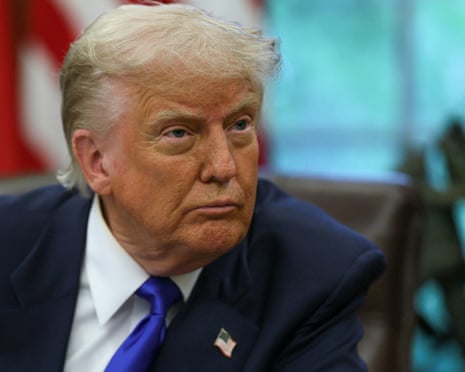

Maduro Signals Openness to U.S. Talks on Drug Trafficking as Trump Escalates Pressure on Venezuelan Cartels
Caracas, Venezuela – Venezuelan President Nicolás Maduro has expressed willingness to engage in discussions with the United States on combating drug trafficking, a rare overture amid longstanding bilateral tensions, even as he sidestepped questions about a recent attack in the country that sources have linked to U.S. involvement. This development comes just days after U.S. President-elect Donald Trump announced plans to meet with Venezuelan opposition leader María Corina Machado and issued stark threats of military strikes against drug cartels operating in Venezuela.
Maduro's comments, made on January 2, 2026, represent a potential shift in Venezuela's isolationist stance toward Washington. Speaking to state media, Maduro stated he was open to "dialogue on specific issues like drug trafficking," emphasizing Venezuela's role as a transit point for narcotics while accusing the U.S. of hypocrisy in its anti-drug efforts. However, when pressed on a recent violent incident in Venezuelan territory—described in reports as an attack claimed by U.S. sources—he abruptly changed the subject, focusing instead on domestic sovereignty and alleged foreign interference.
The timing of Maduro's remarks coincides with heightened U.S. rhetoric. On January 9, Trump declared his intention to meet Machado, a prominent opposition figure who has been barred from running for office by Venezuelan authorities and who backed the 2024 presidential candidacy of Edmundo González Urrutia. Trump also warned of "land strikes" against drug cartels, framing Venezuela as a key hub for narco-trafficking networks that fuel violence across the Americas. "These cartels are poisoning our country, and Venezuela is their safe haven," Trump said, according to The Guardian. He invoked his previous administration's "maximum pressure" campaign, which included crippling sanctions on Maduro's regime.
Escalating Tensions in U.S.-Venezuela Relations
The exchanges underscore the volatile geopolitics surrounding Venezuela, a nation grappling with economic collapse, political repression, and a protracted power struggle. Maduro, in power since 2013 following the death of Hugo Chávez, has faced international condemnation over disputed elections, including the July 2024 vote widely viewed by Western governments as fraudulent. The U.S., European Union, and much of Latin America refused to recognize Maduro's re-election, instead backing González as the legitimate winner based on opposition tallies.
Drug trafficking has long been a flashpoint. Venezuela's porous borders and weakened institutions have made it a major corridor for cocaine shipments from Colombia to the U.S. and Europe. U.S. authorities have designated Venezuelan factions, including the Tren de Aragua gang, as significant transnational criminal organizations. Maduro's government has periodically cooperated with the DEA, but relations soured under sanctions that crippled Venezuela's oil sector, exacerbating hyperinflation and mass emigration—over 7.7 million Venezuelans have fled since 2014, per United Nations estimates.
Trump's threats revive memories of his first term, when he recognized opposition leader Juan Guaidó as interim president in 2019 and imposed sweeping sanctions. Those measures halved Venezuela's GDP but failed to dislodge Maduro, who retained control through military loyalty and alliances with Russia, China, Iran, and Cuba. Recent U.S. policy under President Joe Biden saw partial sanction relief in exchange for migration controls and oil export guarantees, but Trump's return signals a hardline pivot.
Machado, 56, emerged as a leading dissident after her own 2023 primary win was annulled. Barred from office on corruption allegations she denies, she has rallied international support, meeting world leaders and framing Maduro's rule as a dictatorship. Her potential meeting with Trump could amplify calls for regime change, especially as Venezuela's opposition vows street protests ahead of Maduro's January 10 inauguration.
Broader Regional Implications
The rhetoric risks drawing in neighbors. Colombia, under President Gustavo Petro, has pursued peace talks with guerrillas and cartels, viewing Venezuelan instability as a spillover threat. Brazil and Guyana have border disputes with Venezuela, exacerbated by Maduro's territorial claims on Guyana's Essequibo region, rich in oil. ExxonMobil's offshore discoveries there have intensified U.S. interest.
Maduro's openness to drug talks may be tactical—a bid to avert escalation as Trump's January 20 inauguration approaches. Analysts note past instances where Caracas extradited drug lords to the U.S. for sanction relief. Yet, the unaddressed attack raises alarms: Details remain sparse, but opposition sources claim it targeted regime assets, fueling Maduro's narrative of a U.S.-backed "invasion plot."
Internationally, responses are muted. The UN has urged de-escalation, while Russia warned against "aggression." China, Venezuela's top creditor, prioritizes oil stability.
Outlook Amid Uncertainty
As Maduro prepares for his swearing-in, the interplay of dialogue offers and strike threats highlights Venezuela's precarious position. Will U.S.-Venezuela talks materialize, or will Trump's hawkishness prevail? With cartels thriving amid chaos, the stakes extend beyond Caracas to hemispheric security. Regional leaders watch closely, hoping to avert a crisis that could unleash migration waves and violence anew.
(Word count: 712)






