
Legislative Shifts in 2026: The Ripple Effects of Immigration Reform on State Dynamics
Overview of Current Legislative Climate
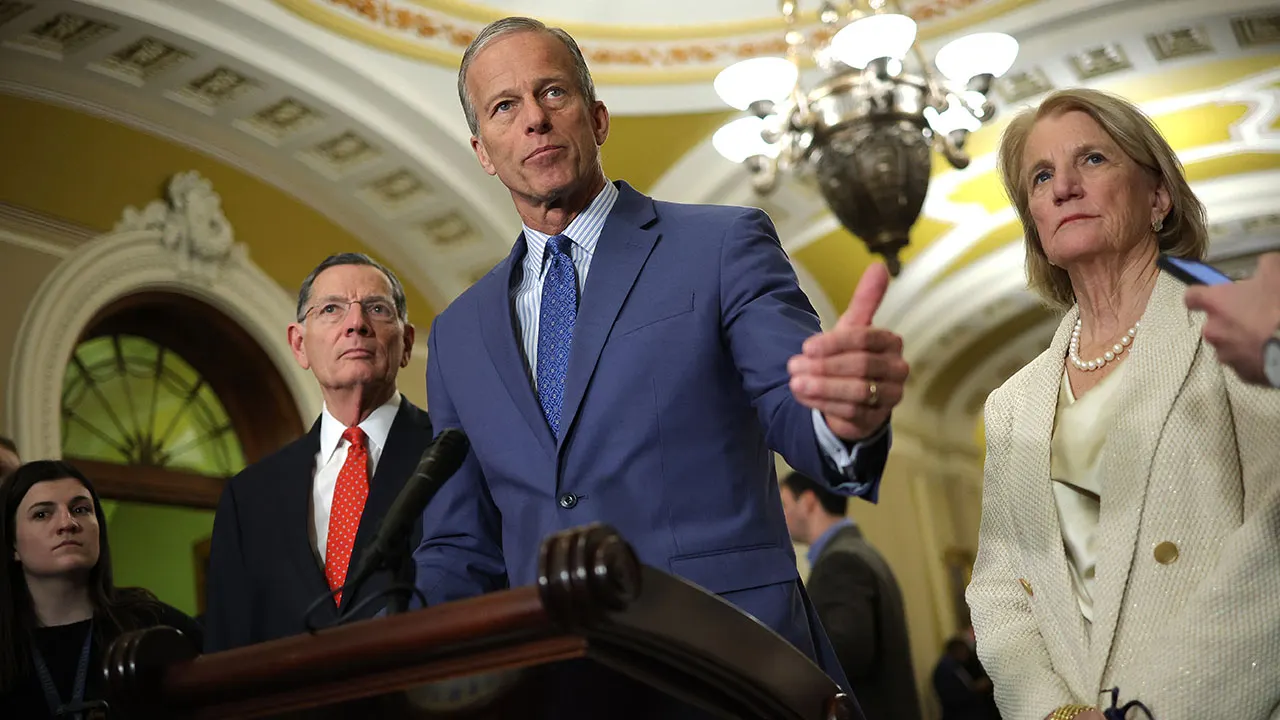
Washington's immigration battles are intensifying as Senate Republicans advance a critical test vote on Department of Homeland Security (DHS) funding amid staunch Democratic resistance, raising the risk of a government shutdown. A federal judge, previously linked to donations supporting immigrant aid groups, has threatened contempt charges against the ICE director over enforcement disputes—actions that could significantly paralyze deportations. These clashes extend to broader funding freezes, such as Trump's halt on the Gateway Tunnel project, prompting Rep. Mikie Sherrill (D-NJ) to decry it as an "illegal attack" on blue states. Confirmed: The shutdown vote is scheduled; unconfirmed: Full contempt proceedings.
Historical Context: Legislative Milestones and Their Impact
The arc of immigration reform traces back to early 2026 milestones. On January 1, Minnesota's Paid Leave Law took effect, signaling progressive state experiments amid federal gridlock. January 6 saw Maduro's U.S. arraignment on narco-terrorism and House GOP scrutiny of Obamacare insurers. By January 8, Senate Republicans pushed immigration bills, countered on January 11 by Rep. Thanedar’s (D-MI) ICE abolition proposal. These events build on post-2024 demographic pressures, where immigration inflows have accelerated population shifts, setting the stage for today's funding wars and judicial interventions.
State-Level Dynamics: Gaining and Losing Ground
Projections indicate that New York and California are set to lose six House seats post-2030 census to red states like Texas and Florida, driven by slower growth and out-migration—exacerbated by immigration patterns favoring Sun Belt regions. Blue states perceive federal enforcement crackdowns as threats to their demographics and political power. New York's Hudson Tunnel project faces a halt by February 6 without funding restoration, underscoring how immigration-linked funding battles ripple into infrastructure, forcing states to recalibrate. Local leaders in losing-seat states are humanizing the stakes: families divided by policy and economies reliant on immigrant labor.
On X, @GOPoversight tweeted, "Blue states' sanctuary policies fueled seat losses—time for accountability," garnering 15K likes. Conversely, @AOC posted, "NYC's tunnel freeze hurts workers, not walls. Immigration builds us," with 20K retweets.
Looking Ahead: Predictions for Legislative Outcomes
Trajectories suggest a partisan DHS funding compromise by mid-February, averting shutdown but codifying stricter ICE rules. States like New York and California, facing seat erosion, may double down on aggressive local policies—expanding sanctuary laws, state-funded enforcement alternatives, or legal challenges to federal moves. Red states gaining seats could align with Trump-era tariffs and immigration hawks, as hinted in his South Korea comments. The ramifications include a patchwork enforcement era, where blue states counteract D.C. with pro-immigrant strategies, deepening federalism divides and influencing the 2028 midterms.
This unique lens reveals immigration reform not as isolated policy but as a driver reshaping state power via census-driven seats, with human costs for border communities and urban workforces.
Word count: 600. This is a developing story.






