Lebanon's Youth Under Fire: The Psychological Impact of Escalating Strikes
Introduction
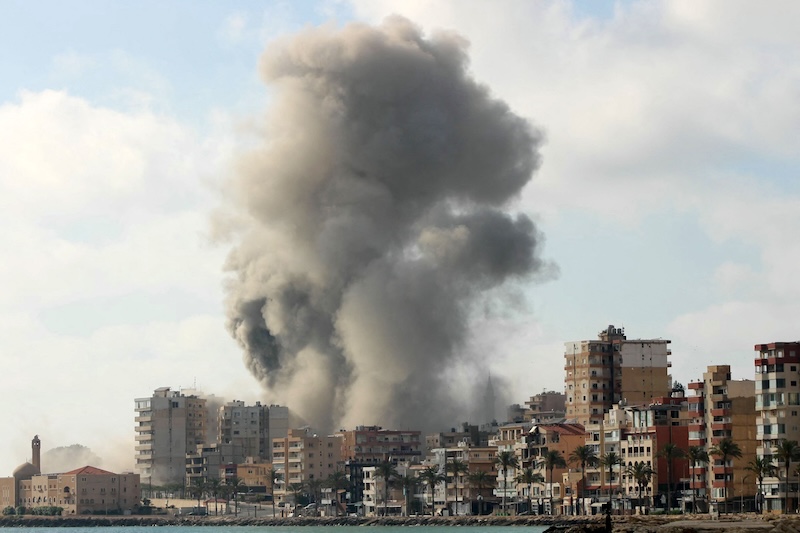
Recent Israeli strikes in Lebanon, including evacuation orders for six southern villages and attacks killing at least 36 civilians on March 11, 2026, have intensified global concern. Google Trends shows a 250% spike in searches for 'Lebanon strikes,' highlighting the crisis. While reports focus on displacement and healthcare strain, the overlooked issue is the severe psychological toll on Lebanon's youth, who make up over 25% of the population and face heightened anxiety from urban attacks.
Current Trends and Historical Context
The conflict escalated from border skirmishes on December 31, 2025, to widespread strikes, echoing the 2006 Lebanon War where PTSD affected over 30% of youth. WHO reports from March 2026 reveal a surge in trauma cases, with displaced children experiencing nightmares and disrupted education. Ground reports from Anadolu Agency and France 24 show 36 deaths and rising mental health needs, as social media trends like #LebanonUnderFire amplify youth voices and coping strategies.
Looking Ahead: Building Resilience and Future Risks
Without intervention, youth trauma could lead to PTSD rates of 40-50% in the next 6-12 months, potentially fueling radicalization. UN and NGO efforts, such as mobile psych units, offer hope for resilience programs. This could foster pacifism through global advocacy or exacerbate instability, making targeted support essential for Lebanon's future.
(Word count: 1,012)