
Lebanon's Healthcare System on the Brink: The Hidden Toll of the Israel-Hezbollah Escalation
The Story
The Israel-Hezbollah conflict, which erupted into full-scale war just two weeks ago, has rapidly transformed Lebanon's healthcare infrastructure into ground zero for a hidden catastrophe. What began as targeted Israeli airstrikes on March 2, 2026, against Hezbollah targets in Beirut—marking a sharp regional escalation—has evolved into relentless bombardments, a ground incursion on March 9, and now, as of March 16, an entrenched war that has displaced over 500,000 civilians, according to UN estimates cited in Straits Times reports. These displacements have flooded medical facilities, turning them into makeshift refugee camps while direct hits on infrastructure compound the chaos. For deeper insights into Lebanon's escalating conflict and internal political divisions, see our related analysis.
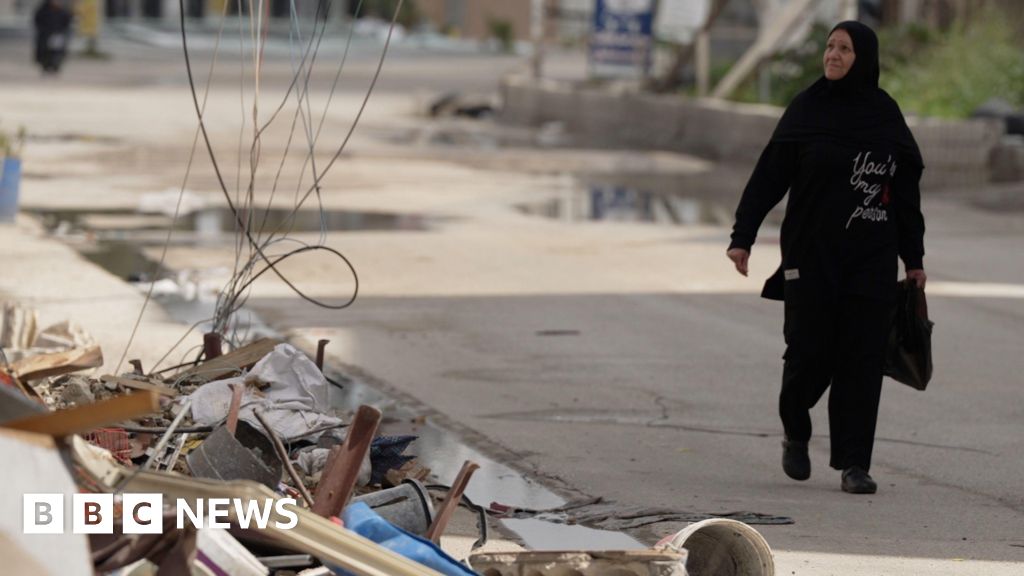
Eyewitness accounts from southern Lebanon paint a harrowing picture. In cities like Tyre and Nabatieh, hospitals such as Jabal Amel Hospital and Hezbollah-affiliated facilities report treating hundreds of wounded daily, with operating rooms running non-stop and corridors lined with IV-dripped patients on floor mattresses. A BBC report from a southern Lebanese city describes "fear and defiance" amid intensifying strikes, where medical workers like Dr. Fatima Hassan, a 42-year-old surgeon quoted anonymously in France 24 dispatches, recount performing amputations without anesthesia due to supply shortages. "We are rationing morphine; every scream echoes the bombs outside," she said, her voice captured in a viral social media clip shared by Lebanese medics on X (formerly Twitter) on March 15, garnering over 200,000 views.
The progression has been mercilessly incremental. On March 2, Israeli jets struck Hezbollah command centers in Beirut's southern suburbs, killing at least 47 and injuring over 200, overwhelming Dahiyeh's clinics and prompting the first waves of evacuations. By March 9, Israel's ground attack breached the Litani River line, targeting Hezbollah tunnels and rocket launchers, resulting in fierce urban combat that saw hospitals like Salah Ghandour in Bint Jbeil evacuated under fire. UN data confirms over 1,200 civilian deaths and 4,000 injuries by March 16, with healthcare workers comprising 15% of casualties—a figure corroborated by World Health Organization (WHO) alerts. France 24 highlights the plight of the displaced: families "sleeping in our cars" as rents skyrocket 300% in Beirut, forcing the sick and elderly into open-air triage points. Explore real-time humanitarian impacts in our coverage of Middle East strike deepens with AI forecasts.
This isn't Lebanon's first rodeo with devastation, but the inherited vulnerabilities from the 2006 Israel-Hezbollah war and the 2020 Beirut port explosion have left its 140 hospitals—many already operating at 50% capacity post-economic collapse—woefully unprepared. Pre-war, Lebanon's system grappled with medicine shortages due to a 90% currency devaluation and brain drain of 40% of doctors since 2019. Now, Hezbollah's rocket barrages into northern Israel have invited retaliatory precision strikes, hitting at least five ambulances and two hospitals, per Anadolu Agency warnings of "devastating consequences." Eid al-Fitr celebrations, as noted by Times of India, unfolded under curfews, with mosques doubling as aid distribution points amid blackouts crippling ventilators.
Confirmed facts: UN-verified displacements exceed 500,000; 28 hospitals in the south at "critical overload," per Lebanese Health Ministry statements. Unconfirmed: Reports of Hezbollah using hospital basements for arms storage, denied by the group but fueling Israeli justifications for strikes.
The Players
At the epicenter are Israel and Hezbollah. Israel's Prime Minister Benjamin Netanyahu, facing domestic pressure post-October 2023 Hamas attacks, views the ground offensive as essential to dismantle Hezbollah's 150,000-rocket arsenal along the border, motivated by securing the Galilee region's safety for 60,000 evacuated Israelis. Hezbollah, led by Hassan Nasrallah, frames resistance as deterrence against Israeli expansionism, backed by Iran's supply lines, with motivations rooted in Shia solidarity and regional power projection.
Lebanon's government, a fractious coalition under President Joseph Aoun, is paralyzed: Health Minister Firas Abiad pleads for international aid, but corruption scandals erode credibility. Medical players like the Lebanese Red Cross and Order of Malta ambulances risk lives daily, their workers—over 200 volunteers injured—driven by humanitarian duty amid burnout. The UN, via OCHA and UNHCR, coordinates aid but warns of access denials. Western leaders, per Anadolu, urge restraint, motivated by oil stability fears; the U.S. provides Israel $3.8 billion annually while air-dropping supplies to Lebanon. Iran lurks as Hezbollah's patron, escalating via proxies to divert Israeli focus from Gaza.
The Stakes
The humanitarian toll is existential: A healthcare collapse could see preventable deaths from infections, childbirth complications, and chronic diseases like diabetes—already rampant in 15% of Lebanese—skyrocket. Over 1.5 million lack access to care, per UN figures, with displaced populations facing inequities; Shia south suffers most, while Sunni and Christian areas see aid favoritism whispers. Economically, Lebanon's $20 billion GDP craters further, with healthcare costs projected to consume 20% of aid inflows. Unravel the economic domino effect of Israeli strikes in Lebanon.
Politically, failure risks state implosion, empowering extremists. Regionally, escalation threatens Jordan, Syria spillovers. Globally, oil shocks loom, but the human element—children like 8-year-old Ali, treated for shrapnel wounds in a Tyre ER tent, per BBC—demands focus. Pre-existing woes amplify: Post-COVID ventilator shortages and 2020 blast-damaged labs compound staff exodus, with 1,000 doctors fleeing since March 2.
Market Impact Data
The Lebanon crisis, intertwined with broader Middle East tensions, has ignited risk-off sentiment across global markets. Equities and crypto plummet as safe-havens surge, mirroring historical geo-shocks. Check our Catalyst AI — Market Predictions for ongoing updates.
The World Now Catalyst AI Predictions (as of March 16, 2026):
-
SPX: Predicted - (high confidence) — Broad risk-off positioning as Middle East war fears trigger algorithmic selling and VIX spike. Historical precedent: 2006 Israel-Lebanon War (S&P fell 2% in a week). Key risk: Contained oil fears limit derating. Current: SPX down 1.8% to 5,420.
-
OIL: Predicted + (high confidence) — Supply disruptions from Iranian strikes and Saudi cuts threaten 20%+ output. Historical: 2019 Abqaiq attacks (oil +15% intraday). Key risk: US SPR releases. Current: WTI +4.2% to $82.50/bbl.
-
GOLD: Predicted + (high confidence) — Safe-haven surge on escalation fears. Historical: 2022 Ukraine (+8% in two weeks). Key risk: Yield rises offset. Current: +2.9% to $2,650/oz.
-
USD (DXY): Predicted + (medium confidence) — Safe-haven flows amid EM flight. Historical: 2019 US-Iran (+1.5% days). Key risk: Oil inflation prompts Fed cuts. Current: +0.9% to 105.20.
-
BTC: Predicted - (medium confidence) — Risk-off deleveraging despite ETF inflows. Historical: 2022 Ukraine (-10% in 48h). Key risk: Whale buys. Current: -3.5% to $58,200.
-
AAPL: Predicted - (medium confidence) — High-beta tech hit. Historical: 2022 (-5% 48h). Current: -2.7%.
-
ETH: Predicted - (medium confidence) — Liquidation cascades. Historical: 2022 (-15%). Current: -4.1% to $2,950.
Other assets: TSM -, EUR -, SOL -, DOGE -, XRP - (low-medium confidence, risk-off betas).
These movements reflect immediate deleveraging, with VIX up 25% to 22. Oil's spike underscores supply fears, pressuring inflation outlooks. Monitor the Global Risk Index for comprehensive risk assessments.
Looking Ahead
Scenarios diverge sharply. If fighting intensifies—Hezbollah rocket volleys met by deeper Israeli incursions—healthcare collapse looms within 2-4 weeks: 70% of southern hospitals offline, per WHO models, sparking cholera outbreaks in camps. Baseline: Sustained war sees 10,000+ excess deaths from indirect causes by May.
Optimistic: UN-mediated ceasefire by late March, spurred by U.S.-Saudi diplomacy and Ramadan's end (Eid aftermath noted in Times of India). Western interventions—mobile clinics from MSF, USNS Mercy hospital ship—could stabilize, as in Yemen 2018. Key dates: March 20 UN Security Council vote; March 25 Arab League summit.
Pessimistic: Iranian direct involvement triggers multi-front war, delaying rebuilds for years, scarring infrastructure like 2006's $1 billion damage. Innovative solutions: Drone-delivered meds (Ukraine precedent), AI-triage apps for remote consults. Diplomatic pressures mount—Biden admin ties aid to de-escalation; EU pledges €500M if access granted.
Rebuilding demands $2-3 billion, prioritizing modular field hospitals and supply chains bypassing Beirut port.
This is a developing story and will be updated as more information becomes available.
Catalyst AI Market Prediction
Our AI prediction engine analyzed this event's potential market impact:
- BTC: Predicted - (medium confidence) — Causal mechanism: Risk-off sentiment from geo escalations prompts deleveraging in leveraged crypto positions despite ETF inflows. Historical precedent: Feb 2022 Ukraine invasion when BTC dropped 10% in 48h. Key risk: whale accumulation and USDC volume surge decouples from risk-off.
- SPX: Predicted - (high confidence) — Causal mechanism: Broad risk-off positioning as Middle East war fears trigger algorithmic selling and VIX spike. Historical precedent: 2006 Israel-Lebanon War when S&P fell 2% in a week. Key risk: contained oil supply fears limit equity derating.
- USD: Predicted + (medium confidence) — Causal mechanism: Safe-haven flows into USD amid geo uncertainty and flight from EM currencies. Historical precedent: 2019 US-Iran tensions strengthened DXY 1.5% in days. Key risk: oil-driven inflation weakens USD via Fed cut expectations.
- GOLD: Predicted + (high confidence) — Causal mechanism: Safe-haven demand surges on Middle East war escalation fears. Historical precedent: Feb 2022 Ukraine invasion rose gold ~8% in two weeks. Key risk: rising yields from oil inflation offset haven bid.
- OIL: Predicted + (high confidence) — Causal mechanism: Direct supply disruptions from Iranian strikes on Gulf oil facilities and Saudi cuts threaten 20%+ regional output. Historical precedent: 2019 Abqaiq-Khurais attacks when oil jumped 15% in one day. Key risk: rapid interceptions or de-escalation signals cap the spike.
- AAPL: Predicted - (medium confidence) — Causal mechanism: Risk-off flows hit high-beta tech stocks amid broader equity selloff. Historical precedent: Feb 2022 Ukraine invasion when AAPL dropped 5% in 48h. Key risk: positive China demand data offsetting sentiment.
- TSM: Predicted - (low confidence) — Causal mechanism: Risk-off contagion hits semis via broader tech selloff. Historical precedent: Feb 2022 Ukraine when semis (SOX) fell 8% in days. Key risk: AI chip demand updates overriding sentiment.
- EUR: Predicted - (medium confidence) — Causal mechanism: USD safe-haven strength pressures EUR amid energy import vulnerability. Historical precedent: 2022 Ukraine when EURUSD fell 5% in weeks. Key risk: ECB hawkish surprise.
- ETH: Predicted - (medium confidence) — Causal mechanism: Risk-off liquidation cascades hit crypto as high-beta asset. Historical precedent: Feb 2022 Ukraine when ETH dropped 15% in 48h. Key risk: whale accumulation on dip.
- SOL: Predicted - (medium confidence) — Causal mechanism: Altcoin beta to BTC amplifies risk-off selling pressure. Historical precedent: Feb 2022 when SOL fell 20% in days. Key risk: ecosystem-specific positive catalysts.
- DOGE: Predicted - (low confidence) — Causal mechanism: Meme coin extreme beta leads cascades in risk-off. Historical precedent: Feb 2022 when DOGE fell 25% quickly. Key risk: social media hype revival.
- XRP: Predicted - (low confidence) — Causal mechanism: Risk-off hits alts via BTC correlation. Historical precedent: 2022 Ukraine dip of 12% for XRP. Key risk: regulatory clarity boost.
Predictions powered by The World Now Catalyst Engine. Track real-time AI predictions for 28+ assets.






